• Home
  • Blog
  • Gallery
  • Pricing
  • Home
  • Blog
  • Gallery
  • Pricing
Start creating

Creator blog

Better stories start here

Discover practical AI tools, interactive storytelling methods, and production lessons—from the first idea to a story people can play.

DRAMAFORKStories · Craft · Possibility
Topics
AllProduction PracticeProduct workflowInteractive narrativeCreation tutorialsChoosing toolsGetting started
49 articles

Editorial / 02

Latest articles

Practical methods for narrative structure, visual production, and everything in between.

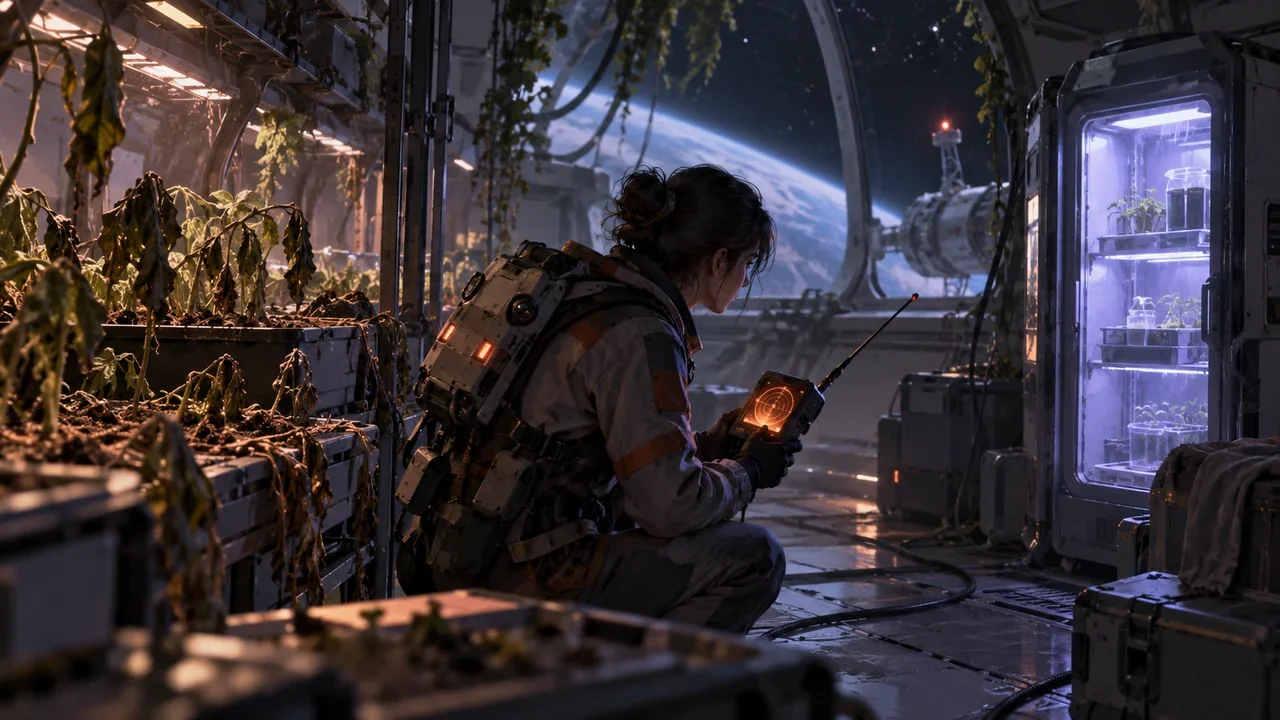
In an orbital greenhouse, a gardener judges between planting trays, a separate cold cabinet, and a weak signal.Topic selection
Interactive narrative2026.09.16

How Do You Write a Verifiable Exploration Turn in a Space Greenhouse Story?

Compressing a distant setting into an on-site fault is the core technique of this kind of turn: first give the player three independent readings that may contradict each other, then have them take an action that returns new information capable of changing their judgment, and finally use a log or physical evidence to resolve the contradiction into an explainable cause.
DramaFork Editorial Team15 min read
Continue reading

Blog categories

  • All201
  • Production Practice59
  • Product workflow34
  • Interactive narrative49
  • Creation tutorials19
  • Choosing tools33
  • Getting started7

Make your story playable for the first time

Start with one story decision

Create a project

The next move is yours

Make your story playable for the first time

Do not wait for every video to be finished before testing the story. Build the characters, rules, and branches first, then let real choices guide what you make next.

Start with one story decision

Try a playable example

Let agents handle production complexity while you keep creative control.

Start with one story idea, then shape scripts, characters, shots, and branches into a playable first version.

Product

  • Pricing
  • Capabilities
  • Workflow
  • Examples
  • FAQ

Explore

  • Playable gallery
  • Creator blog
  • Creator partnership

Legal

  • Privacy
  • Terms
© 2026 DramaFork/AI interactive story studio
Press Enter to send, or drag away and release.
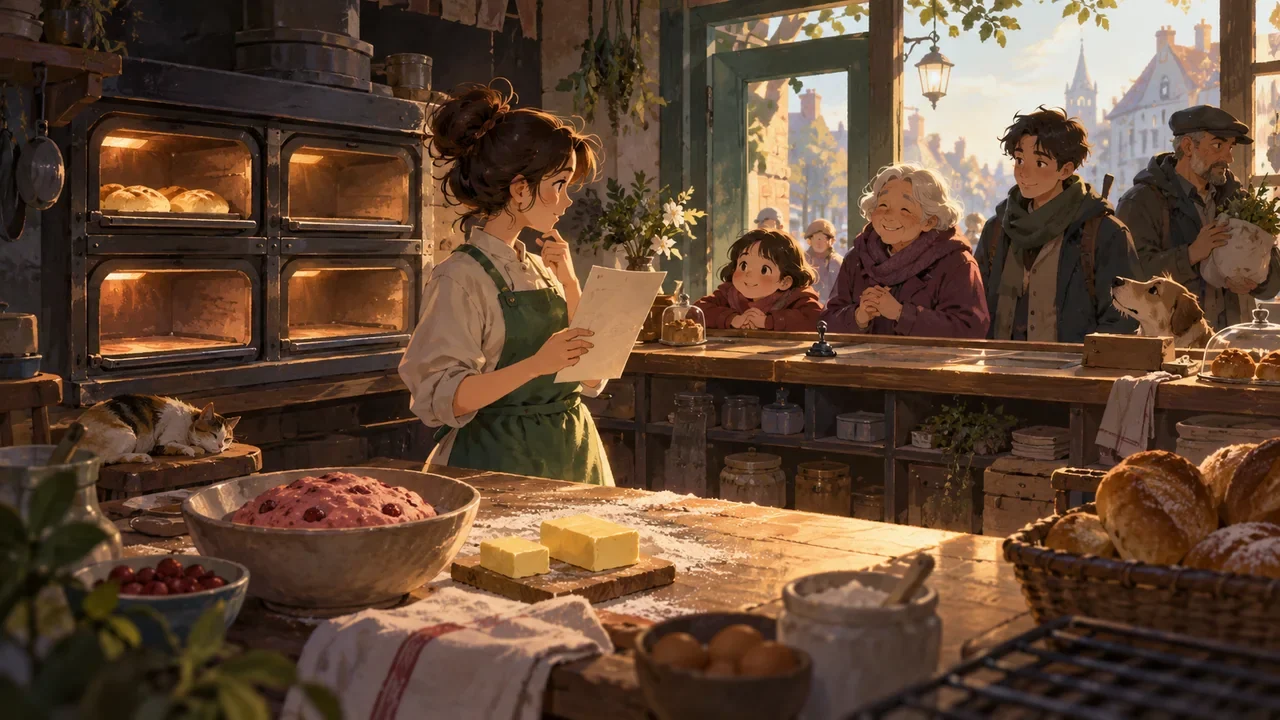
A bakery arranges orders among limited oven slots, fruit filling, and butter portions.
Interactive narrative2026.09.15

How to Create Choices in a Warm Slice-of-Life Text Adventure: Starting from a Bakery's Morning Shift

Once life-or-death crises are removed, choices must stand on three things: limited ingredients, the specific needs of different customers, and opening time. Stacked together, every decision the player makes spends margin somewhere else, and failure only makes something later or worse, not end the story. Below, we walk through the fictional teaching example "Six-Thirty Bakery." All numbers and dialogue are examples, not tested data, and do not constitute food preparation or allergy handling advice.

DramaFork Editorial Team16 min read
Continue reading
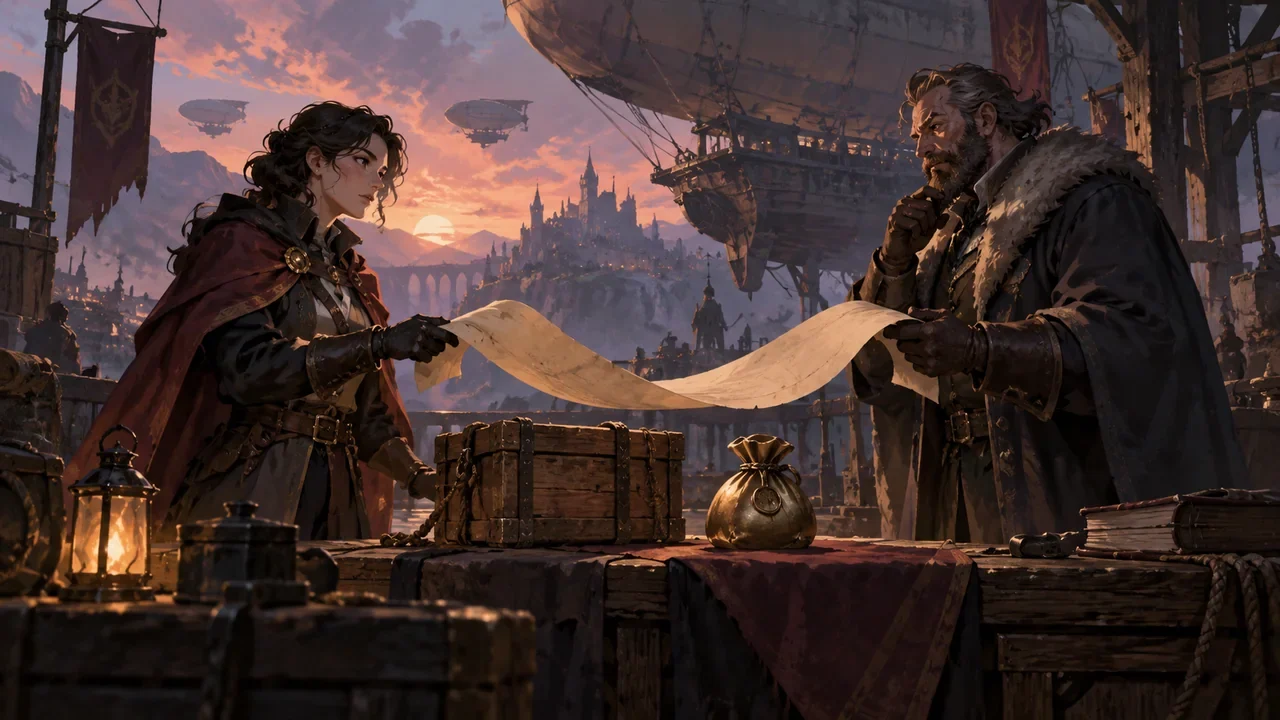
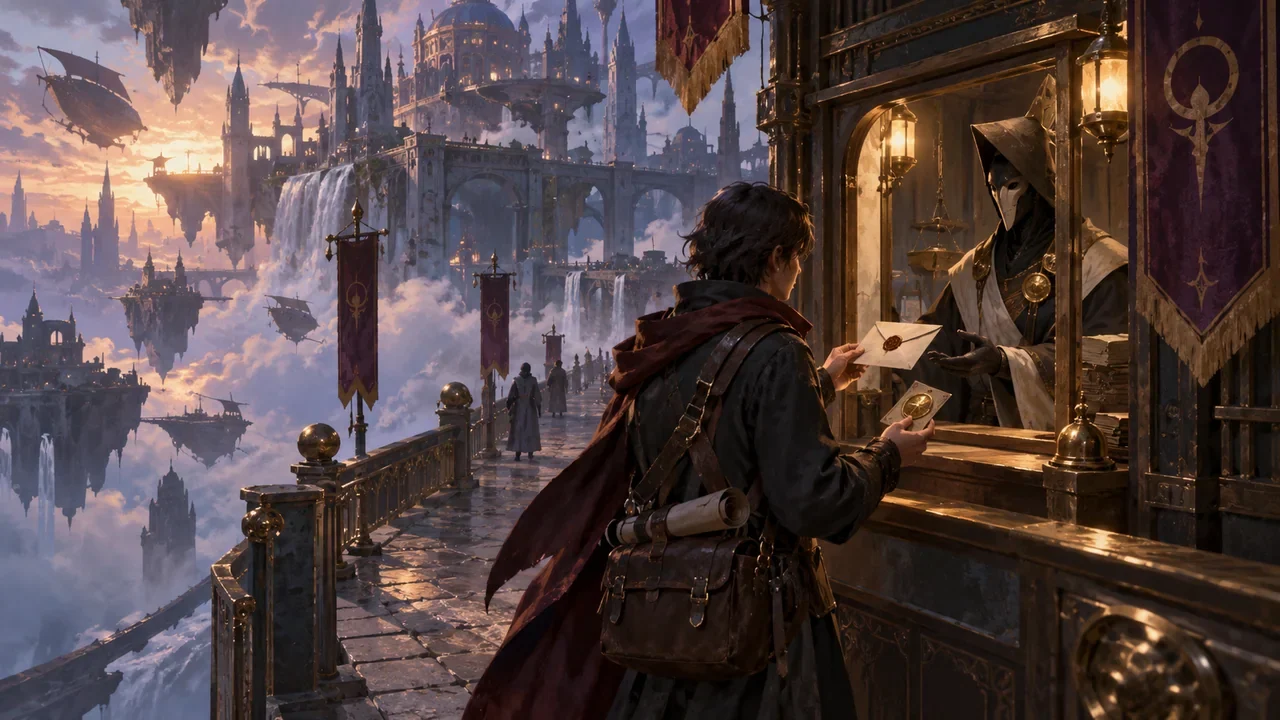
In front of a floating city's passage booth, an invitation letter and a formal passage token are placed separately.
Interactive narrative2026.09.15

Fantasy Permit Processing Can Have a Plot Too: Turn a Passage Permit into an Interactive Quest

The core of writing permit processing as a quest is to make "eligibility" into something players can alter: first give three verifiable materials, then give one exception with a cost, and finally use two rounds of counter dialogue to translate the player's preparation into a result. The following uses the fictional teaching example "Floating City Registry" to unfold this; the names, numbers, and original lines in the example only serve explanation and are not actual test records.

DramaFork Editorial Team14 min read
Continue reading
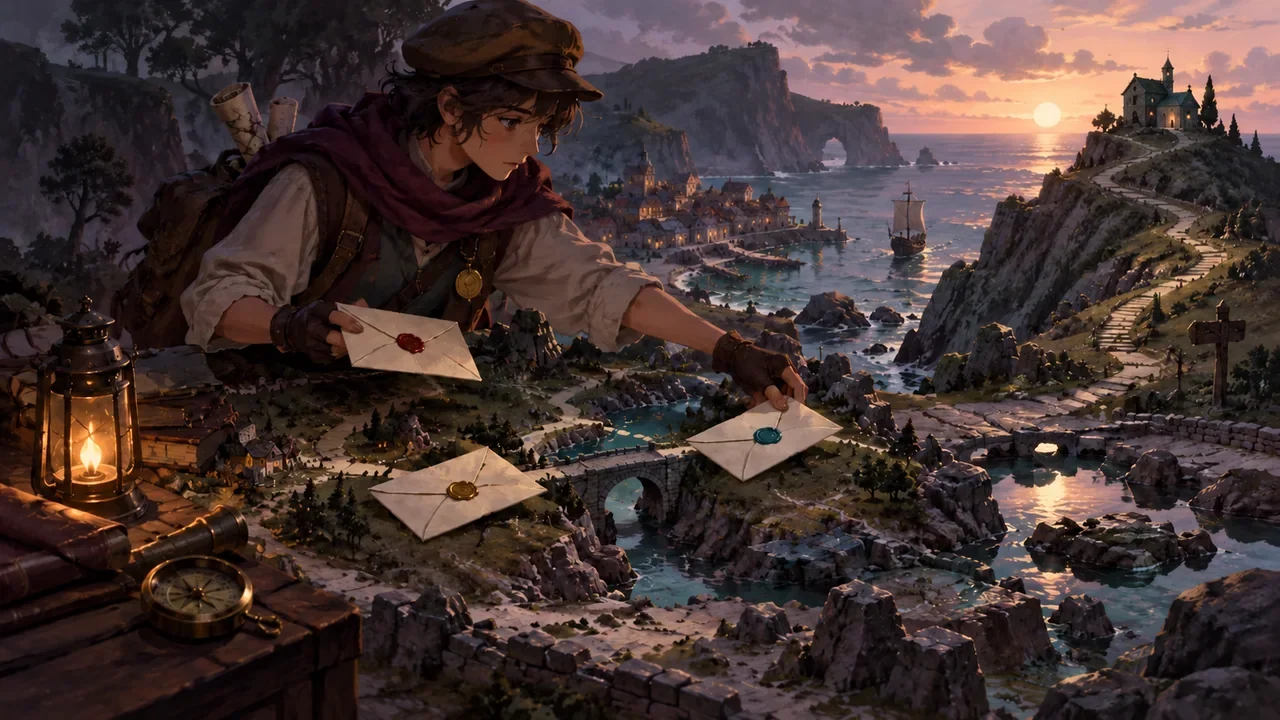
A courier sorts three sealed letters across a miniature coastal terrain with tide pools and a hill path, with route choices shown as tangible geography.
Interactive narrative2026.09.15

How to Turn a Letter-Delivery Premise into a Text Adventure: Make Route, Deadline, and Recipient Into Choices

To turn a letter-delivery premise into a playable text adventure, the core is splitting “who the letter reaches, when it arrives, and what you gain along the way” into three mutually constraining quantities.

DramaFork Editorial Team14 min read
Continue reading
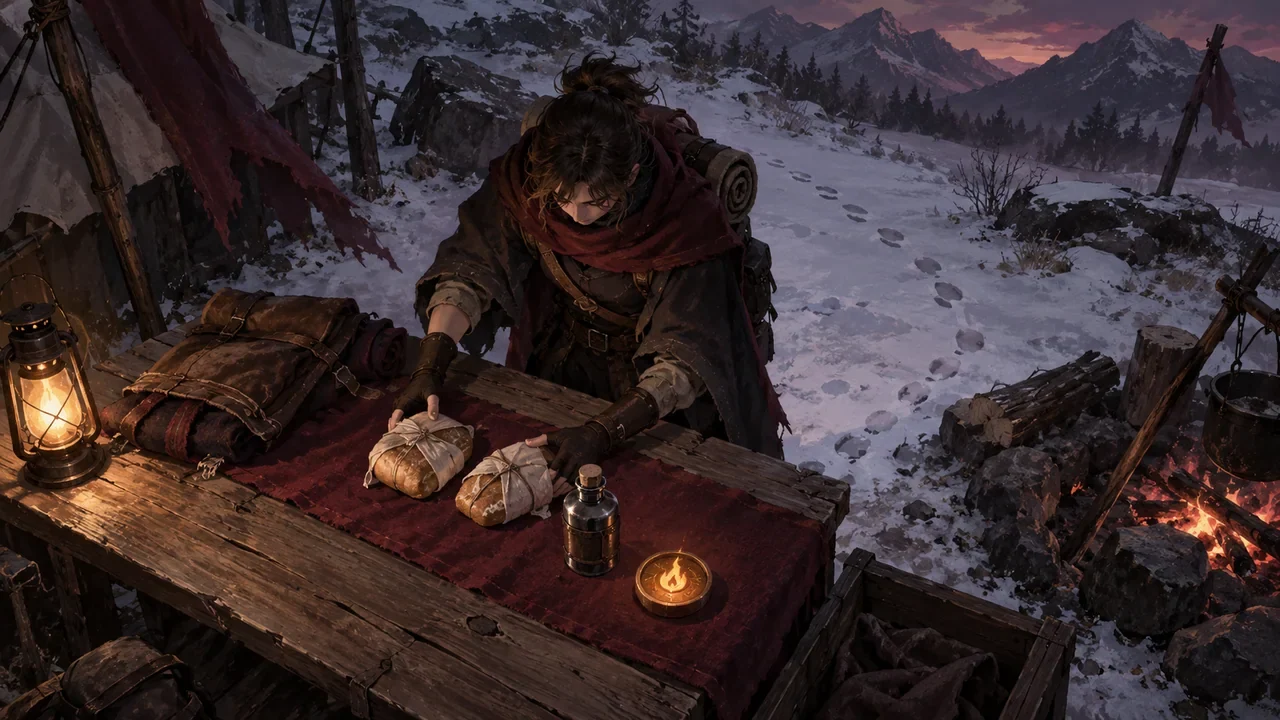
A traveler resets a camp table to two bread bundles, one flask and a fire token while old footprints fade behind, fresh-start baseline seen from above.
Interactive narrative2026.09.14

What to Clear Before Restarting a Text Adventure: How Authors Check Initial State for Last-Run Information

When restarting a text adventure, the first screen should contain only what this run's setup allows. Authors should check four categories of cross-run residue—identity, resources, known clues, and location and task—against the first-run baseline, changing or deleting anything that only held in the previous run.

DramaFork Editorial Team14 min read
Continue reading
Three letters, a repaired lamp, and a returned small boat correspond to the promises the ending needs to account for.
Interactive narrative2026.09.14

How Text Adventure Endings Should Respond to Opening Quests: Use a Promise Payoff Table to Check for Omissions

The ending should make readers feel that "this matter has been accounted for." The way to do this is to list the promises planted at the beginning one by one, and at the ending state clearly whether each one is completed, partially completed, abandoned, or intentionally left open. Below, a promise payoff table is used to walk through the entire process, followed by three fictional ending comparisons.

DramaFork Editorial Team16 min read
Continue reading
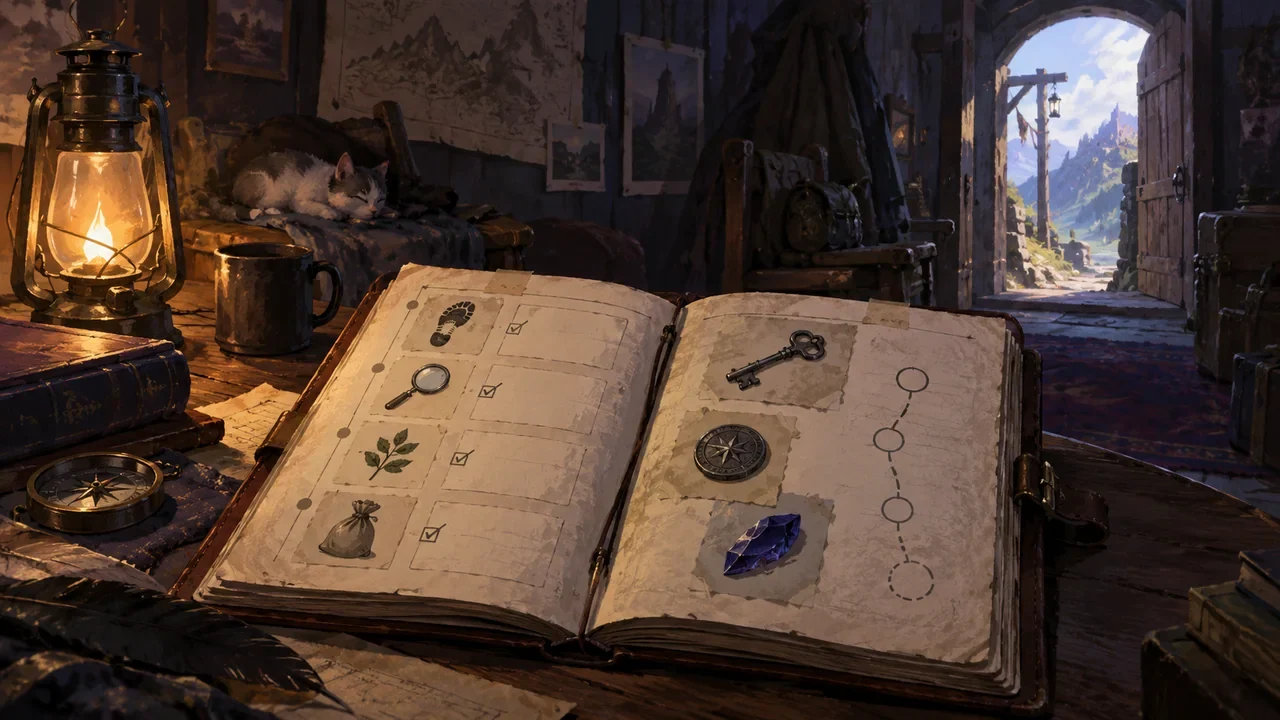
Sketches of objects on an adventure log and unfinished tasks connect to the next entrance.
Interactive narrative2026.09.14

How to Write a Text Adventure Log: Record Changes and Unfinished Items, Don't Retell the Whole Plot

After each turn ends, the log records only four types of content: actions the player actually took, facts thereby confirmed, observable state changes, and still-open to-dos. Plot processes, environmental descriptions, and characters' original words do not go into the log, unless that sentence itself is a confirmed fact. Below, a fictional teaching example illustrates the compression method; the station names, personal names, numbers, and dialogue in it are all fabricated and do not correspond to any real work.

DramaFork Editorial Team15 min read
Continue reading
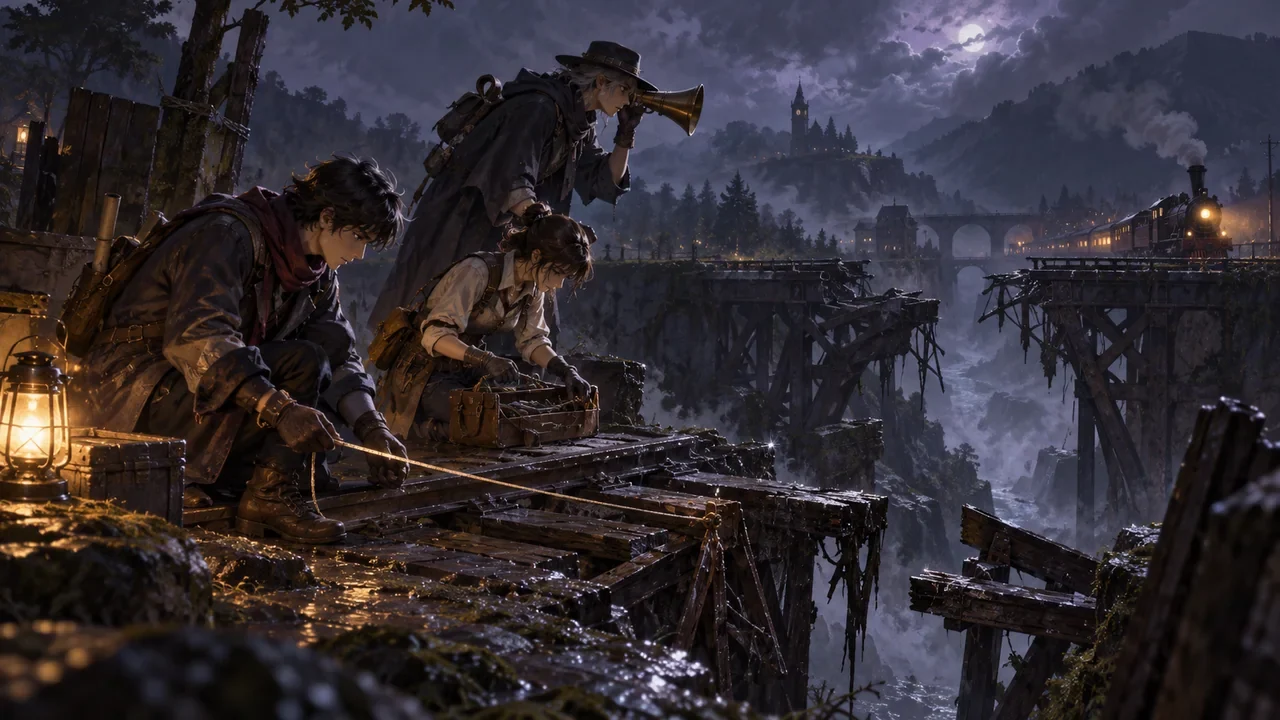
Three travelers approach one damaged bridge using distinct tools: a measuring cord, a repair kit, and a listening horn.
Interactive narrative2026.09.13

How Talent in Text Adventures Affects the Same Action: Change the Information, Not Just Add a Compliment

The same action, with different talents, should produce different information and different available paths, rather than the same result paired with three compliments. The method is: first fix the action itself, then for each talent write one "clue only it can see" and one "follow-up only it can take," and finally add an alternative path for players without that talent. Below, a fictional teaching example, "Night Rain Train Signal Failure," breaks it down. Character names, numbers, and dialogue are all teaching setups, not tested data.

DramaFork Editorial Team14 min read
Continue reading
A puzzle box, three physical tokens corresponding to clues, and a sealed answer.
Interactive narrative2026.09.13

How AI Text Puzzles Avoid “Answers Changing with the Chat”: First Write an Author Answer Table

To avoid answers changing with the chat, don't rush to revise the prompt first. Break the puzzle into an author answer table: each clue's fixed text, acceptable answers, synonymous expressions, error prompts, and reveal conditions each occupy a row, and generated narration may only cite content from the table, and may not invent new clues or new judgments on the fly. Below, a fictional teaching example walks through the complete process; the three star markers, observatory number, and dialogue in the example are all fabricated and do not correspond to any real work or code.

DramaFork Editorial Team17 min read
Continue reading
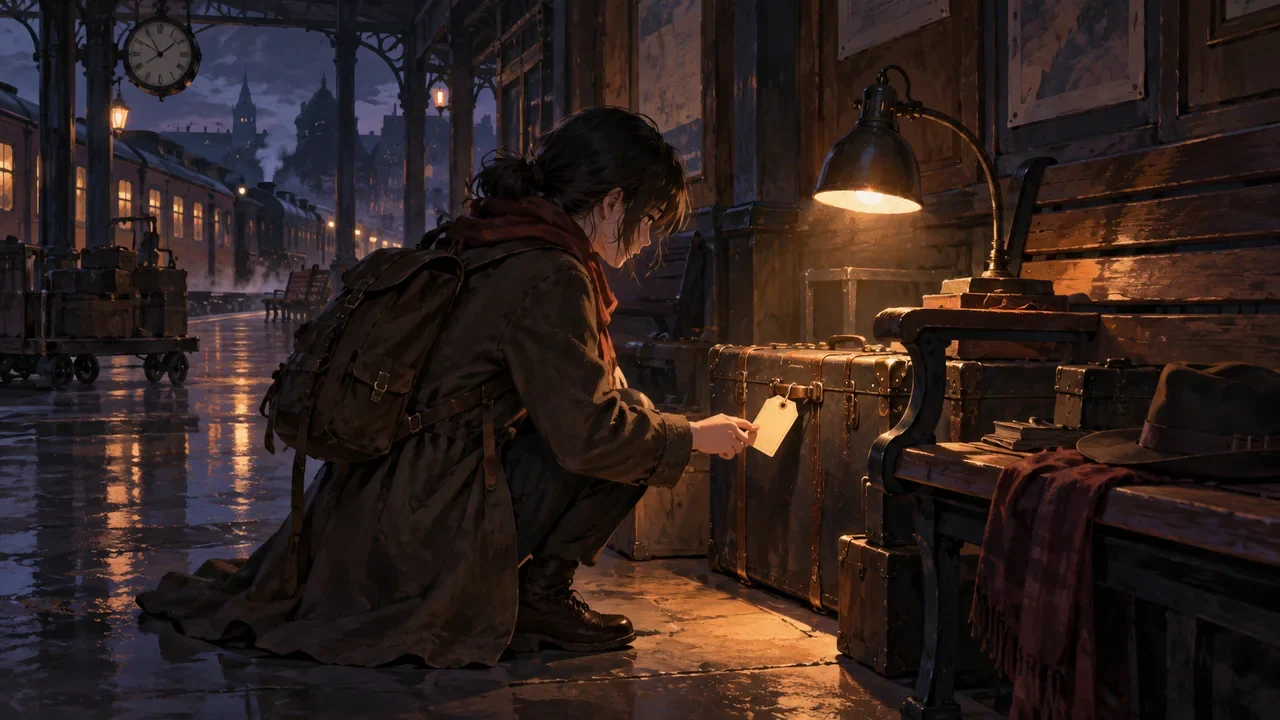
A traveler returns to a quiet station and finds a previously missed luggage tag under the moved light.
Interactive narrative2026.09.13

What to Do When Players Miss a Key Clue: Designing a Second Discovery Entry for Text Adventures

A key clue cannot exist in just one line of dialogue. A more reliable approach is: first write it as a "necessary fact," then arrange two or more entries for this fact with different sources and different trigger conditions, and make the player pay a visible cost for choosing a certain entry. Below, a fictional teaching example, the "Stargazing Club dinner list," illustrates the specific method. The characters, numbers, and lines in the example are all fabricated and are only used to demonstrate structure.

DramaFork Editorial Team16 min read
Continue reading
Two negotiators check an agreement using a deposit token, a delivery crate, and a written-looking but illegible agreement ribbon.
Interactive narrative2026.09.12

How to Keep Terms Consistent in Text Adventure Negotiations: How Are Promises, Offers, and Retractions Recorded?

In text adventure negotiations, terms can quietly change by the third round. Track each statement as an offer, promise, or retraction so accepted conditions stay consistent and reversals have consequences.

DramaFork Editorial Team14 min read
Continue reading
  1. 1
  2. 2
  3. 3
  4. 4
  5. 5