Interactive storytelling
See how choices, state and character perspective turn a story into something a player can shape.
Guides and making-of notes
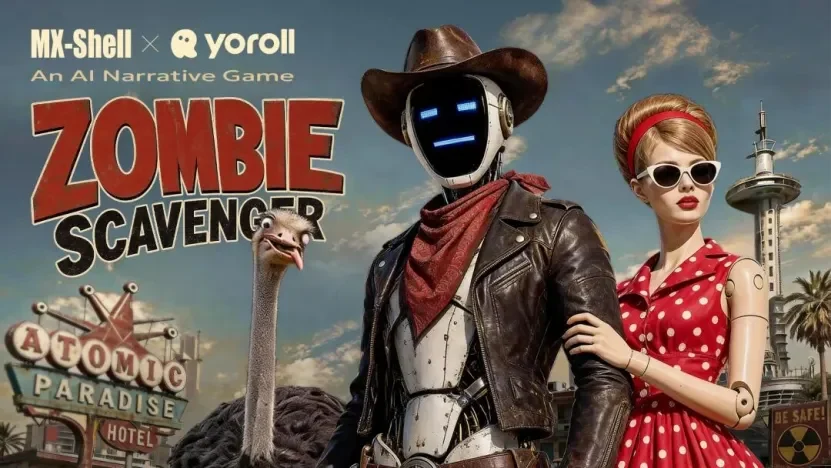
Three Species Are Colliding: The Boundaries Between Interactive Film Games, Text Games, and Character IP Are Dissolving
Interactive film games, text games, and character IP are rapidly converging under the influence of generative AI and changing user experience demands. This article examines their differences, crossover cases, product matrix strategies, and the possible future form of seamless interactive storytelling.
What Competitor Blogs Cover in Interactive Storytelling: A 2026 Content Map and 8 Gaps for DramaFork
Identify eight opportunities for in-depth content that can differentiate DramaFork, based on public content from competitors in interactive storytelling and AI short dramas.
The 'imagination dividend' of word games: Why is immersion stronger without art?
In an age of ever-dazzling visuals, the text game seems to move backward: no 3D scenes, no live action, only lines of text and choices. Yet it is what keeps players inside its world long after the screen goes dark. This article looks at the text game's most unique asset: it hands the work of imagery to the player's imagination
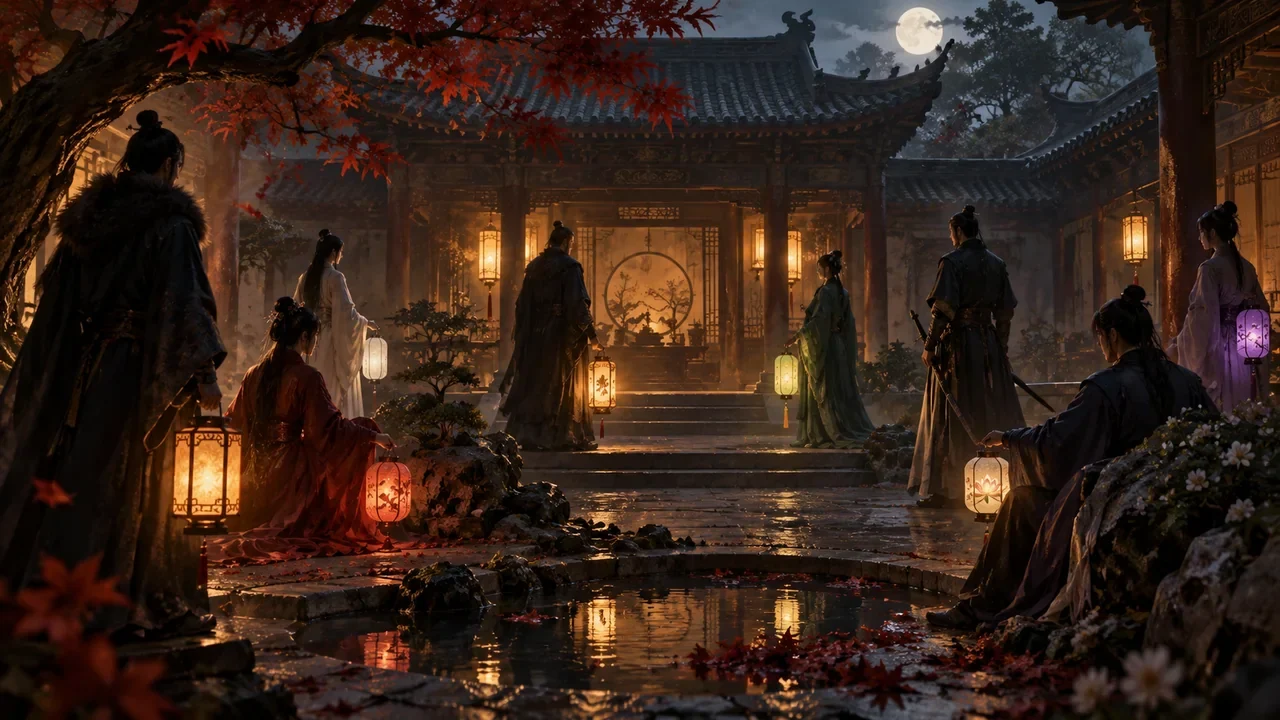
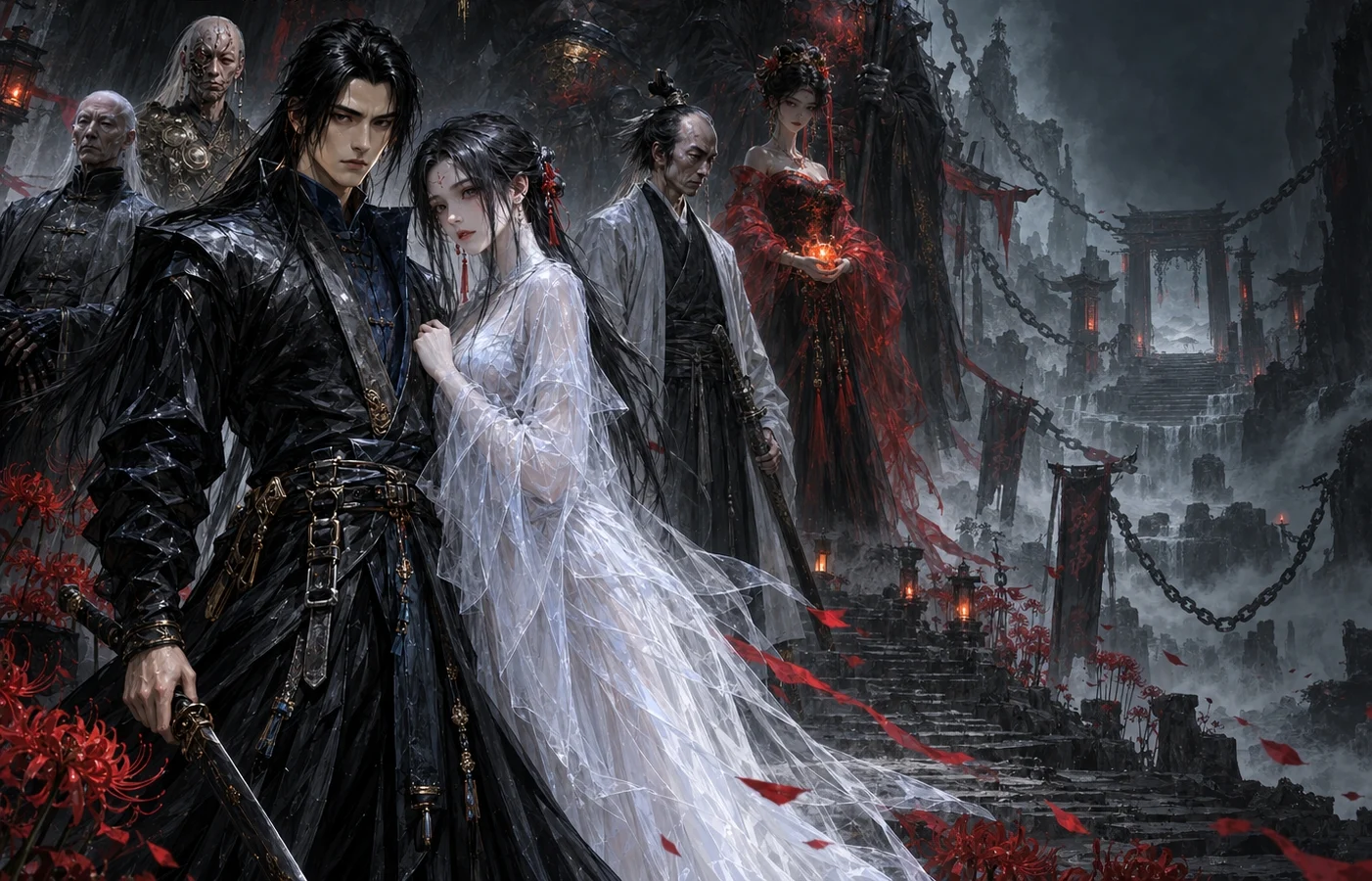
《魂天·彼岸》: Eight Key Characters, Public Identities, and Relationship Clues
Using the official website’s public character guide, this article examines the identities, positions, interests, and observable relationship clues of eight key characters in 《魂天·彼岸》.

Interactive Game, Interactive Story, and Interactive Fiction: What Players Do
Text, video, and images tell you how content is presented, but not what players do. Four versions of one fictional museum distinguish reading controls, story participation, and rule-based tasks. An observation card describes how they overlap.
Co-Writing a Branching Story: How to Create a Permissions Table for “Who Can Edit Which Section”
Using the fictional case River Lantern Festival, this article shows how to use a paragraph permissions table when co-writing a branching story to distinguish drafting, revising, locking, and pending confirmation, so every change has ownership, a trace, and a way to roll back.
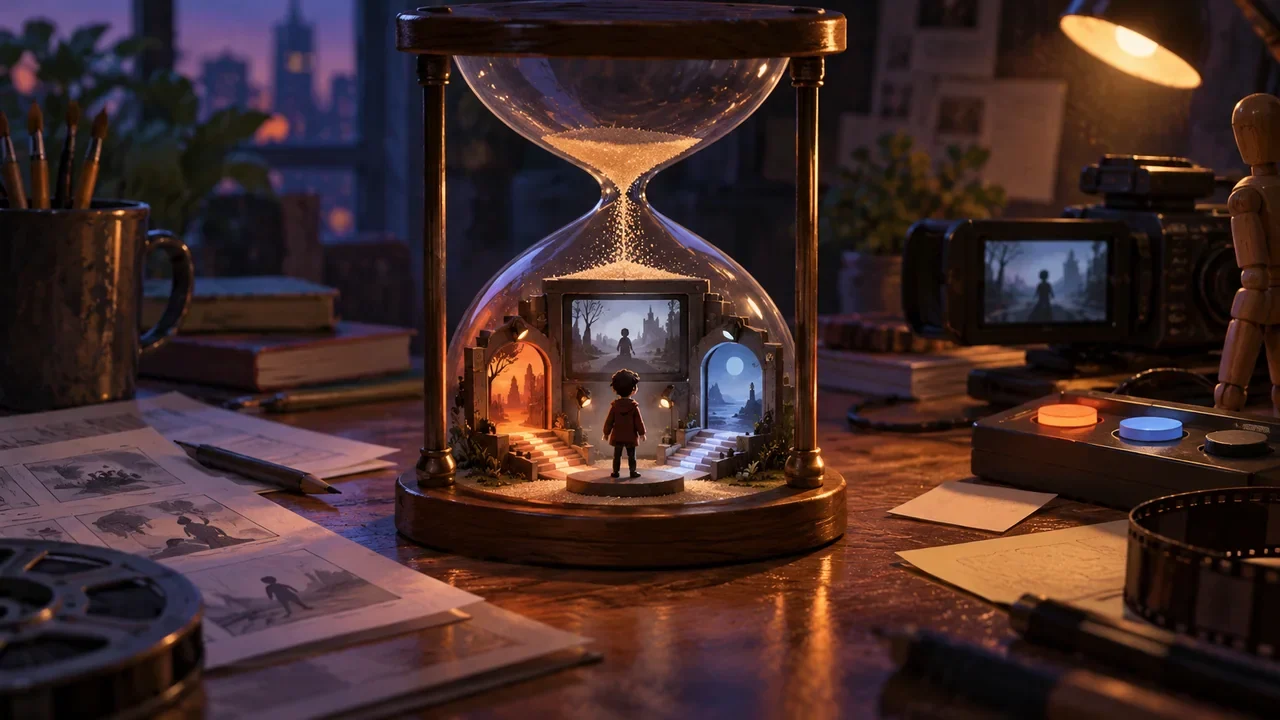
The First Version Should Only Be Three Minutes: How to Complete a Minimal Closed Loop for an Interactive Film Game
The first playable version of an interactive film game should not be a half-finished first chapter, but a complete closed loop of about three minutes: enter a video, understand one choice, see the difference, have one convergence or ending occur, and be able to restart. It must simultaneously expose problems in narrative, shooting, editing, playback, input, state, and testing.
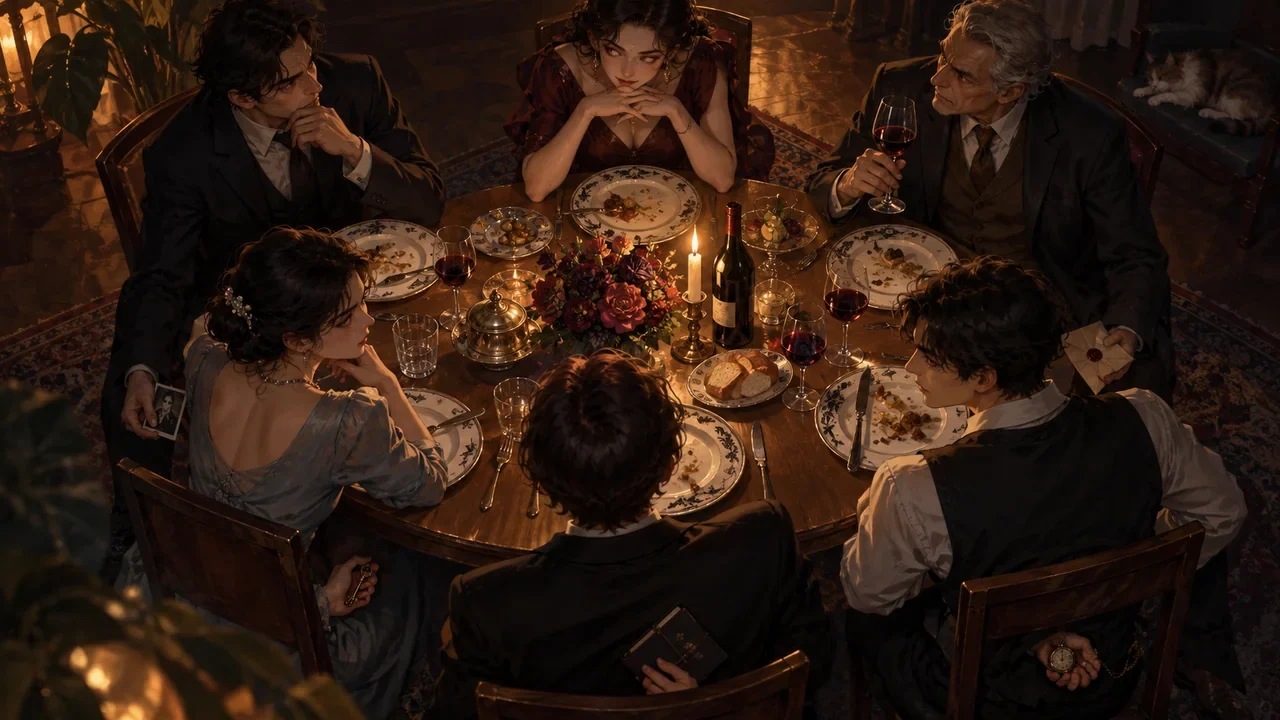
A Character Relationship Map Is Not Enough: What Each Person Knows, Conceals, and Misunderstands
A relationship map only shows who is connected to whom; it cannot explain what makes the suspense work. An interactive story also needs an information gap matrix: which facts each character knows, where they learned them, what they deliberately conceal, what they mistakenly believe, and under what conditions they are willing to speak. Often, players’ choices change the flow of information rather than the events themselves.
Play what you just read

4 A.M. Convenience Store
At 4 a.m., customers can buy back a single line they failed to say the day before. As the night clerk, you combine shelf words, choose at the register, and watch returning customers reshape the story. Sell the truth, or hold it back—your choice changes every relationship.

Escort Countdown
You are a freelance medical escort. Three patients need you this morning, but the hospital system allows only one urgent slot. Read checklists, chat logs, and travel times to schedule. Act on incomplete information; later tests may reverse urgency. Family ties, paid promises, and medical urgency collide.

Evacuation Line
You are the county emergency dispatcher. A wildfire is closing in, and you have one bus to evacuate four communities. An insurer's risk model keeps reprioritizing your route, but the radio voices are counting on you. Plan each turn, weigh unreliable reports, and decide who gets left behind.

Yoon Si-a
Wants to find her own narrative, but fears no one will listen without a gentle voice.

Yoo So-bin
Wants every character to have secrets, yet solves all misunderstandings with one group announcement.

Last Train to Tomorrow
The last train runs toward two futures: a thriving city and a ruined world. Your choices decide its final stop.

One Bed Left
One intensive-care bed remains and several patients need it. Every clinical decision carries a human cost.

Pirate Survival: Sequence Legend
Manage supplies, recruit a crew, explore ruins, and ascend a mysterious sequence. Every choice redraws your route.