• Home
  • Blog
  • Gallery
  • Pricing
  • Home
  • Blog
  • Gallery
  • Pricing
Start creating

Creator blog

Better stories start here

Discover practical AI tools, interactive storytelling methods, and production lessons—from the first idea to a story people can play.

DRAMAFORKStories · Craft · Possibility
Topics
AllFictional Case StudyCreative CollaborationStory LocalizationMobile and AccessibilityActing and StagingNarrative MechanicsExploring Time and SpaceRelationships and GroupsResources and ConstraintsInformation and CommitmentsProduction PracticeProduct workflowInteractive narrativeCreation tutorialsChoosing toolsGetting started
10 articles

Editorial / 01

Latest articles

Practical methods for narrative structure, visual production, and everything in between.

How can the final images reflect choices made along the way without relying on a closing voice-over? — original editorial cover illustrationTopic selection
Staging and Expression2026.10.07

How can the final images reflect choices made along the way without relying on a closing voice-over?

Repairing the old radio station completes the task. Who sits at the microphone, who can take over, and who still has to wait reveal what the choices along the way have changed. Use an action mapping table to turn those decisions into three short final scenes.

DramaFork Editorial Team18 min read
Continue reading

The next move is yours

From a story to a playable world.

Do not wait for every video to be finished before testing the story. Build the characters, rules, and branches first, then let real choices guide what you make next.

Start with one story decision

Try a playable example

From a story to a playable world.

Start with one story idea, then shape scripts, characters, shots, and branches into a playable first version.

Product

  • Pricing
  • Credits guide
  • Capabilities
  • Workflow
  • Examples
  • FAQ

Explore

  • Playable gallery
  • Creator blog
  • Creator partnership

Legal

  • Privacy
  • Terms
© 2026 DramaFork/AI interactive story studio
Press Enter to send, or drag away and release.
Branch Transitions Must Not Decide for the Player: What Is Missing Between “Ask” and “Sign” — original editorial cover illustration
Scene Presentation2026.10.07

Branch Transitions Must Not Decide for the Player: What Is Missing Between “Ask” and “Sign”

If the player only agreed to ask about the terms, an edit cannot make signing a done deal. Use a transition checklist to distinguish actions that can be compressed from commitments that require a player decision, and preserve each branch’s choices in a shared scene.

DramaFork Editorial Team17 min read
Continue reading
How Can You Preserve Player Choice Consequences When a Complex Moving Scene Cannot Be Filmed? — original editorial cover illustration
Staging and Presentation2026.10.07

How Can You Preserve Player Choice Consequences When a Complex Moving Scene Cannot Be Filmed?

Replace complex action with preparation, omitted execution, and a final result check. Use a three-part action replacement table to preserve player choices, prop continuity, and differences that shape subsequent actions.

DramaFork Editorial Team19 min read
Continue reading
Emotion Cannot Live in Subtitles Alone: How Should Dialogue and Action Share Information? — original editorial cover illustration
Performance and Expression2026.10.07

Emotion Cannot Live in Subtitles Alone: How Should Dialogue and Action Share Information?

A character says, “I’m calm,” yet keeps holding on. That need not be confusing. Let dialogue establish the task, let action reveal a specific obstacle, and leave room for uncertainty. A planning sheet helps writers distinguish facts, characters’ self-descriptions, and audience inferences.

DramaFork Editorial Team16 min read
Continue reading
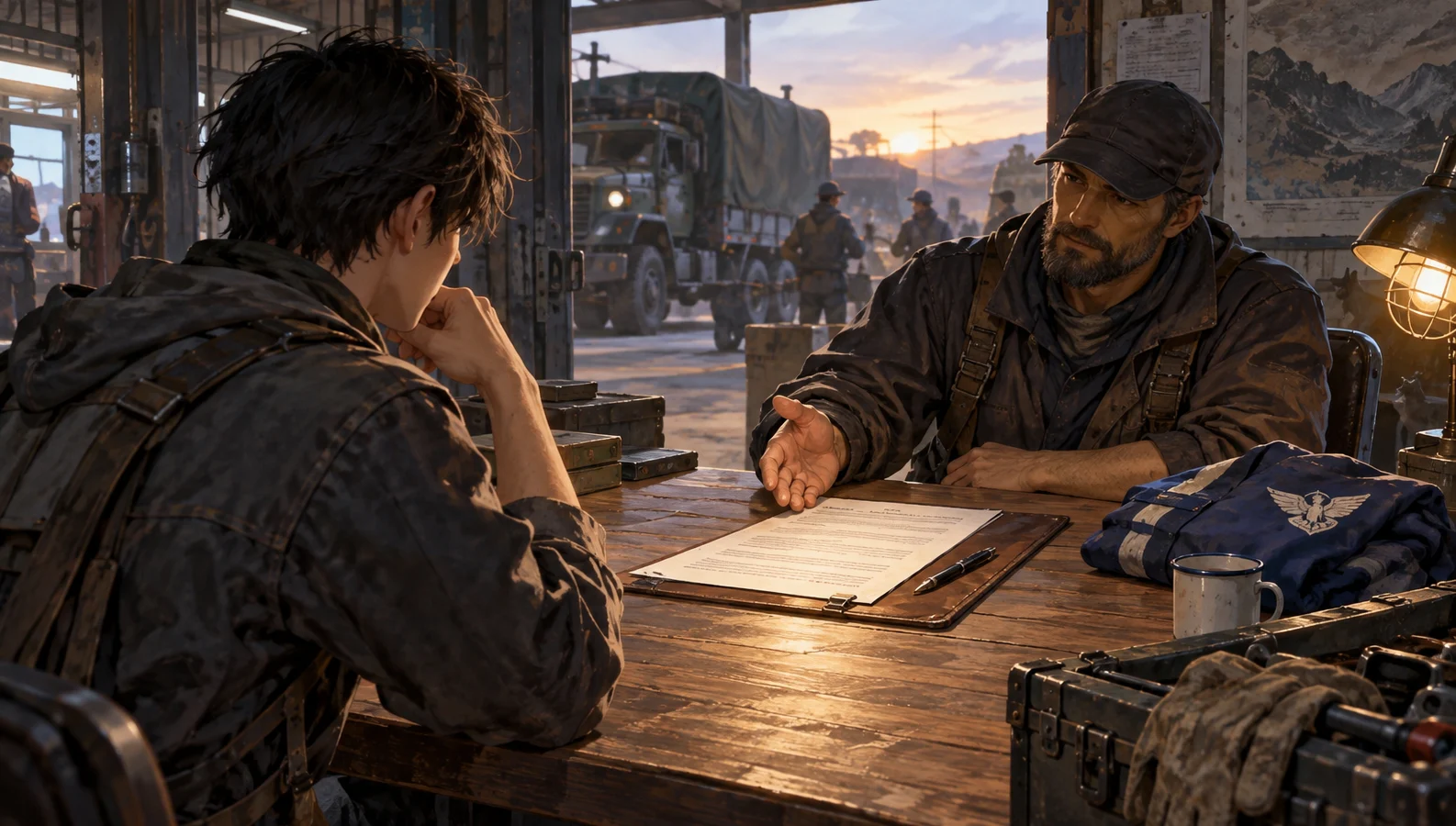
From Refusing to Lend an Enamel Cup to Offering It: Making a Relationship Change Feel Earned — original editorial cover illustration
Scene Craft2026.10.07

From Refusing to Lend an Enamel Cup to Offering It: Making a Relationship Change Feel Earned

The cup does not need a new symbolic meaning. Record the initial restriction, the action that prompts a concession, and the limits of the final permission in a scene ledger, and the relationship can change within the same rules.

DramaFork Editorial Team17 min read
Continue reading
How Can Reaction Shots Before a Major Choice Avoid Suggesting One Right Answer? — original editorial cover illustration
Staging and Expression2026.10.07

How Can Reaction Shots Before a Major Choice Avoid Suggesting One Right Answer?

Separate character reactions into useful information, compositional emphasis, and steering cues, then check each in turn. A two-person task assignment shows how to preserve personalities and differences between options without letting the camera announce the answer for the player.

DramaFork Editorial Team18 min read
Continue reading
When the Player Chooses Silence, How Should the Camera Continue? — original editorial cover illustration
Staging and Performance2026.10.07

When the Player Chooses Silence, How Should the Camera Continue?

Silence can advance a conflict, but it cannot admit an accusation on the player’s behalf. Use a staging card to separate player intent, character assumptions, and narrative facts, then design three continuations that show where misunderstandings come from and leave room to correct them.

DramaFork Editorial Team18 min read
Continue reading
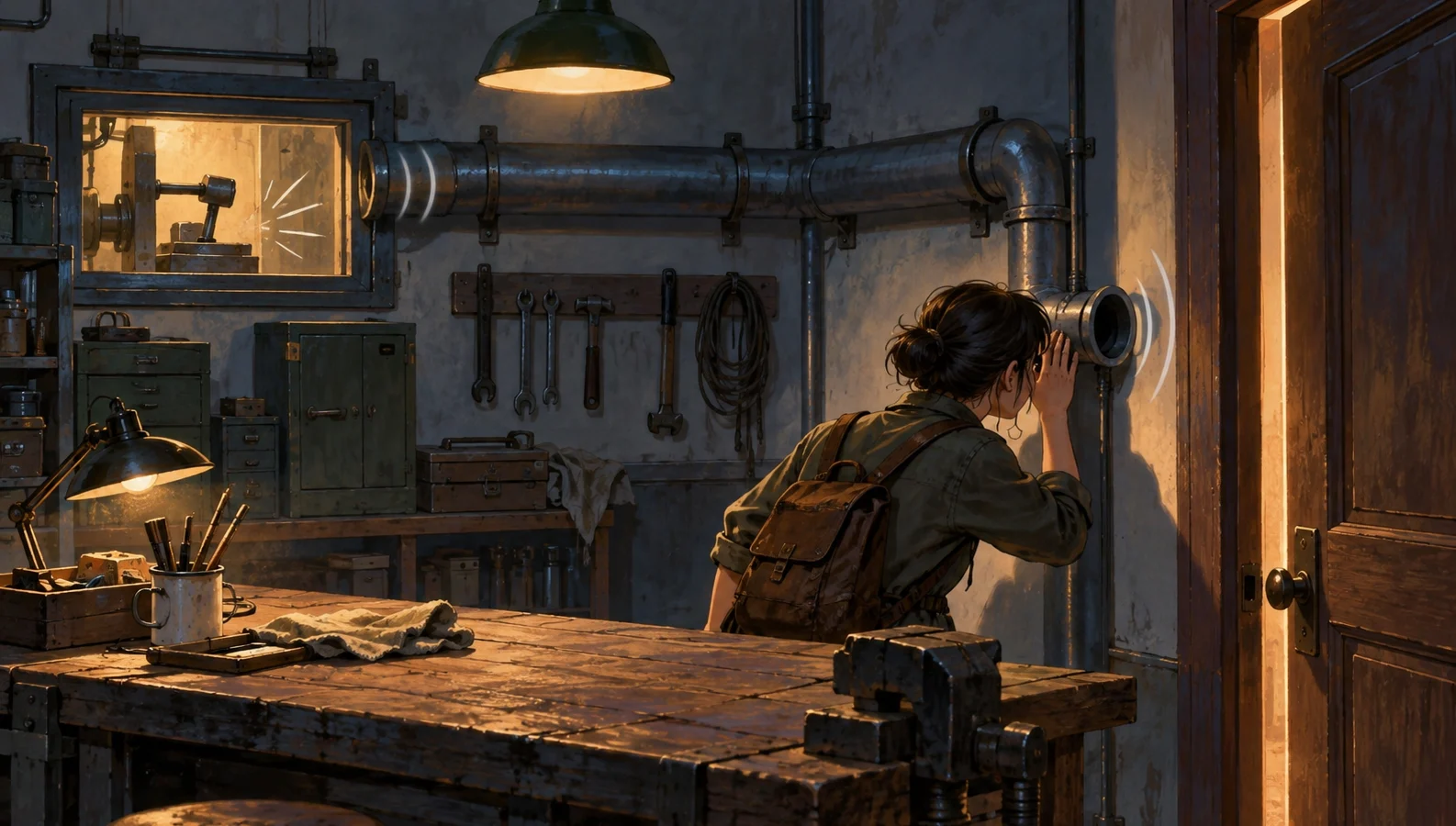
Where Sound Comes From in the Same Room: Designing Traceable Sound-Source Clues — original editorial cover illustration
Staging and Presentation2026.10.07

Where Sound Comes From in the Same Room: Designing Traceable Sound-Source Clues

Knocking that shifts from a wall to a door in a repair room does not necessarily mean its source has moved. Use a sound-source comparison sheet to connect perceived location, competing explanations, verification actions, and text alternatives so players can judge the evidence.

DramaFork Editorial Team18 min read
Continue reading
How to Make It Clear When a Question Is for Someone Off-Screen — original editorial cover illustration
Staging and Performance2026.10.07

How to Make It Clear When a Question Is for Someone Off-Screen

When two characters share the frame but a question turns to someone off-screen, identify the listener with a form of address, establish their location through eyelines and sound, then leave a clear opening for their reply. Use a dialogue addressee card to carry those cues into dialogue and storyboards.

DramaFork Editorial Team18 min read
Continue reading
When a Character Already Knows the Answer, How Can Acting Reveal It Without Narration? — original editorial cover illustration
Acting and Staging2026.10.07

When a Character Already Knows the Answer, How Can Acting Reveal It Without Narration?

The shopkeeper knows where the missing key is, but his acting need not announce that he is hiding something. A hesitation design card connects a change in movement, an immediate explanation, and a later reassessment, giving viewers grounds for suspicion and reasons to withhold judgment.

DramaFork Editorial Team17 min read
Continue reading

Blog categories

  • All301
  • Fictional Case Study10
  • Creative Collaboration10
  • Story Localization10
  • Mobile and Accessibility10
  • Acting and Staging10
  • Narrative Mechanics10
  • Exploring Time and Space10
  • Relationships and Groups10
  • Resources and Constraints10
  • Information and Commitments10
  • Production Practice59
  • Product workflow34
  • Interactive narrative49
  • Creation tutorials19
  • Choosing tools33
  • Getting started7

From a story to a playable world.

Start with one story decision

Create a project