Designing text games
Connect player input, deterministic rules, AI narration and persistent state without losing clarity or control.
Guides and making-of notes

Interactive Game, Interactive Story, and Interactive Fiction: What Players Do
Text, video, and images tell you how content is presented, but not what players do. Four versions of one fictional museum distinguish reading controls, story participation, and rule-based tasks. An observation card describes how they overlap.

Undo in Interactive Fiction: Keeping Old Feedback Out of the Current Story
When an action is undone, its feedback must also leave the current narrative. Use an undo text worksheet to separate invalidated results, valid context, and current facts sentence by sentence, then return the reader to a clear point where they can act again.

When Words Become Images: The Past and Present of Interactive Text Games and Text Adventure Games
A clear introduction to interactive text games and text adventures, tracing their history from Colossal Cave Adventure and Zork to visual novels, Chinese UGC platforms, and AI-driven storytelling.
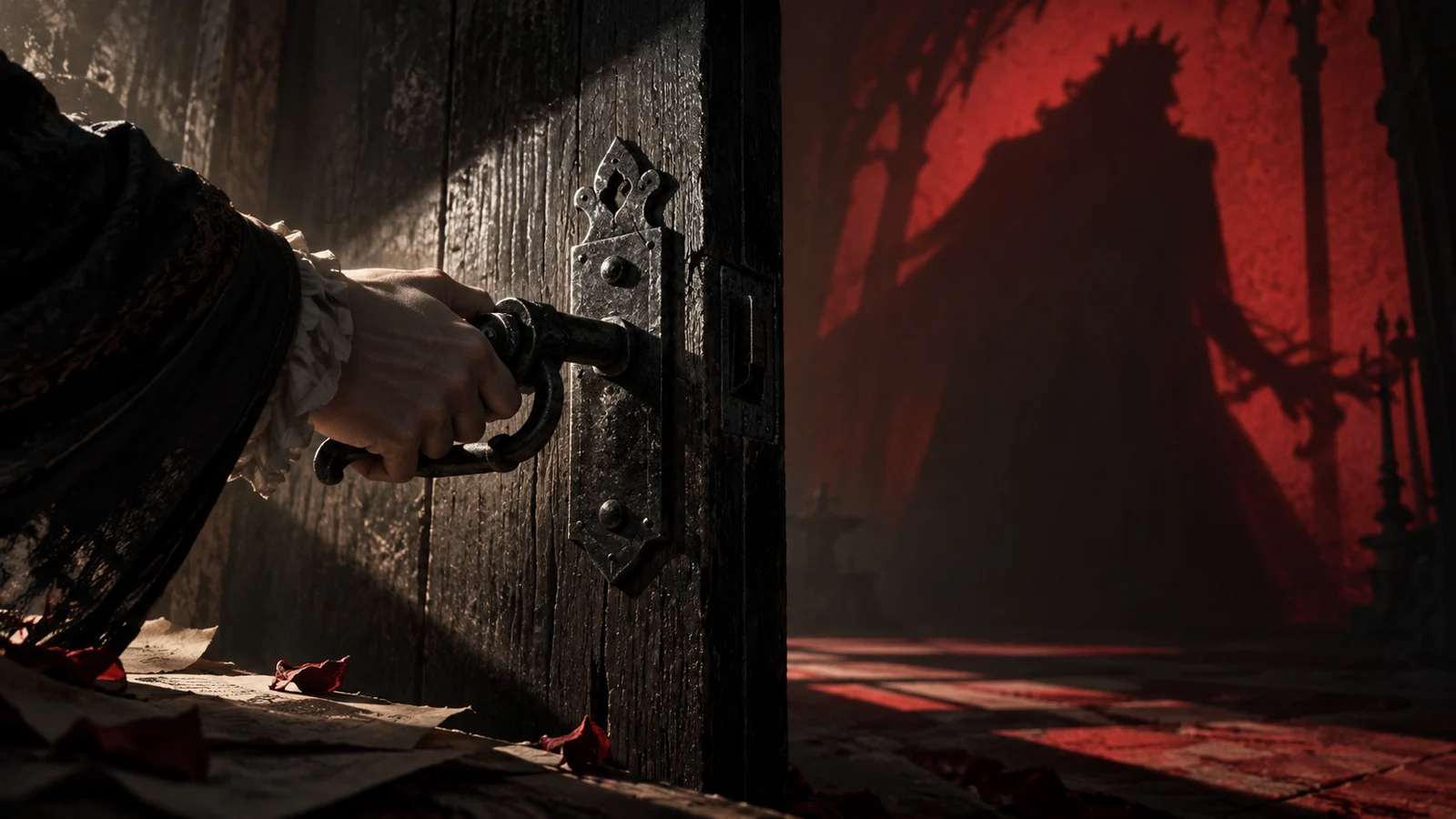
How Far Can an Unreliable Narrator Go in Interactive Fiction? Separate Story Judgments from Action Feedback
An unreliable narrator can insist that a door will never open again, but action feedback must tell the player whether the bolt has been removed and where it is now. A narrator-and-feedback worksheet preserves the narrator’s bias while letting players confirm and retrace their actions.

Intentional Silence in Interactive Fiction: How to Distinguish Silence from an Unresponsive Game
Blank space can conceal the secret behind a door, but it should never conceal whether a player’s input took effect. Use a silence response contract card to record what is silent, whether input was received, what is being awaited, which actions are available, and what signals the end. Then condense it into the shortest useful status and next-action prompts.

“You Didn’t Open”: Clarifying What Did Not Happen in Interactive Fiction
Separate “You didn’t open the cabinet door” into the requested action, the actual attempt, and the resulting state. Then identify exactly what did not happen. A negative-feedback revision card helps distinguish three cases: no contact, a pull that did not open the door, and a door that was already open.

A Corridor Like an Open Mouth: Keeping Metaphor from Becoming a False Action Cue in Interactive Fiction
You can keep the horror of a corridor that resembles an open mouth. The key is to check whether the metaphor also implies teeth to pull, breathing to time, or a grip to escape. A metaphor–action boundary table grounds figurative language in actual objects; if the space really is changing, give players separate observable evidence.

Does an Interactive Game Need AI? Separate Gameplay from Dialogue with a Gatekeeper Rule Card
An interactive game can have choices and consequences without AI. Use a paper gatekeeper rule card to compare two lines under the same state and action: did only the wording change, or did what the player can do change?
Play what you just read

Seventh Code of Autumn Recruitment
A graduating senior receives a seventh-code offer from a company that doesn't exist. Each onboarding test accepted makes one classmate vanish from the campus recruitment list. Investigate node cards and a classmate relationship web; freely type company names or clue keywords to trigger verification. Phone notifications and campus surveillance dual interface; choosing who to verify first changes the order of disappearance; offer credibility shifts in real time. A 20-minute text loop with three endings.

Memory Black Market
Run an illegal memory clinic and decide whose life to preserve while clients, hunters, and conscience close in.

The Last Train Has No Final Stop
Five passengers wake on the last train. At each stop, you enter one passenger's unfinished memory. As the lost-and-found clerk, you use car-view JUMP, lost-item entries, and station locks to move through chapters, letting the same event yield different interpretations depending on information order and relationship choices. Wake everyone, and one passenger's most precious memory will be erased.

The Voice Actor Agency Silence Case
Before the final recording of a hit anime, the lead voice actor's voice begins disappearing from all past works. As a rookie sound director, you use voiceprint comparison, studio scheduling, and character line memory to advance chapters, letting the same event yield different interpretations based on information order and relationship choices.

Room 404 of the Exam Hall
In a cramped exam hall, the nonexistent Room 404 bears one resident's memories of failure each night. You play a civil service exam candidate. Through door texts, resident routes, and memory load, you advance chapters and let the same event yield different explanations depending on the order of information and your relationships. Choose to stay, close the room, or turn it into something else. Closing the room returns all transferred pain at once.

Trending Dorm
A leaked video puts four college roommates on the trending list at once. You have two hours to decide who speaks first, what they say, and who they apologize to.

Mother in the Family Group Chat
After her death, your mother's account revives in the family group chat, sending red envelopes and voice messages that accurately reveal each member's hidden debts. As a county bank risk officer, you must choose between exposing the scam, protecting family bonds, and honoring digital estate authorization.

Pirate Survival: Sequence Legend
Manage supplies, recruit a crew, explore ruins, and ascend a mysterious sequence. Every choice redraws your route.