Write your next move
Investigate, speak, explore or take a risk. Describe an action rather than writing its outcome.

Interactive fiction · Deduction
DRAMAFORK / Interactive fiction
Some memories are sold. Some truths refuse a price.
Run an illegal memory clinic and decide whose life to preserve while clients, hunters, and conscience close in.
An interactive experience built around reading and choosing your next action. Explore at your own pace and interact with the story's world.
The scene is presented through text, and you decide how to respond. Read the situation and current status before acting; after the response, compare what has changed and choose the next step. Use the story's own premise as your starting point, rather than importing rules from another game.
Investigate, speak, explore or take a risk. Describe an action rather than writing its outcome.
The starting choices introduce different ways to approach the same premise. Read their descriptions before choosing; their labels are not promises of guaranteed success.
Scenes, resources and relationships respond to your decisions. Read the current state before acting.
Confirm the identity and starting choices offered by this work. These describe how you enter the story; there is no single required play style.
Read the current scene, status and available actions. Distinguish information the story has given you from assumptions you have not checked.
Select a suggested action or describe what you want to attempt. State an action and its intent, not a guaranteed result; then wait for the response before deciding again.
Read the new scene and updated status together. Check the current objective and any changes before committing to another action, so each turn follows from the last.
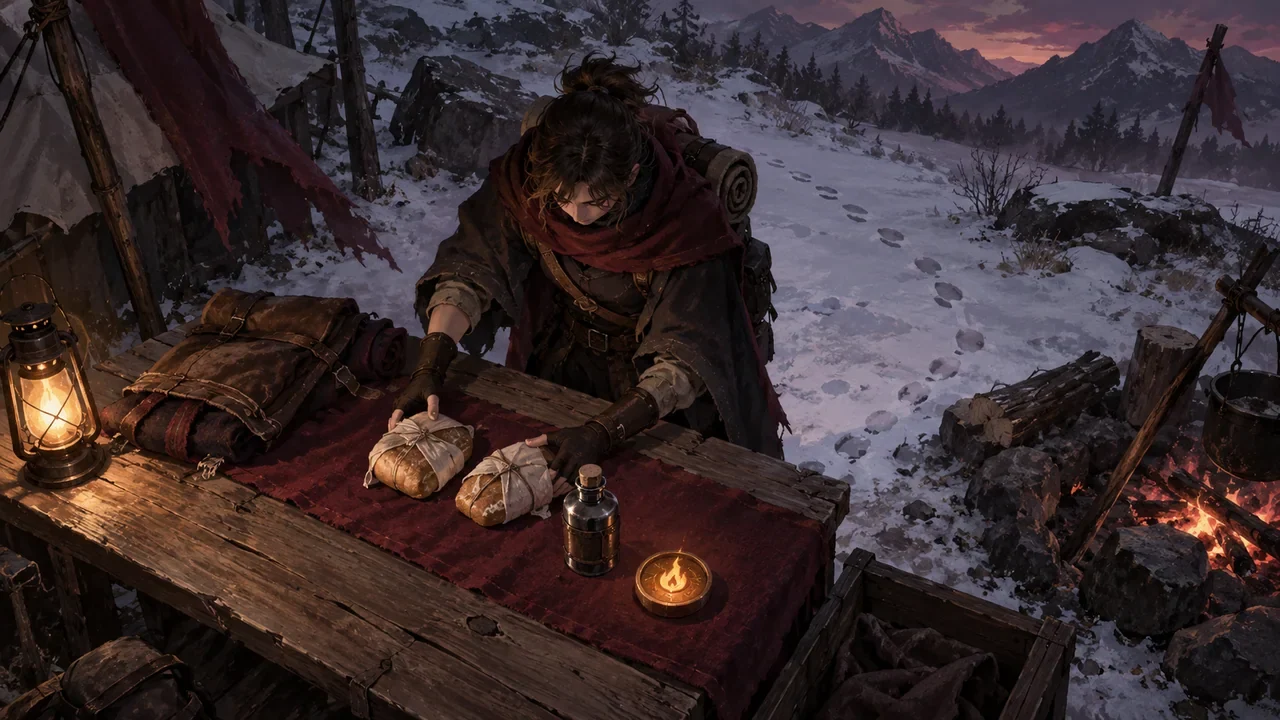
When restarting a text adventure, the first screen should contain only what this run's setup allows. Authors should check four categories of cross-run residue—identity, resources, known clues, and location and task—against the first-run baseline, changing or deleting anything that only held in the previous run.

Write space as a repeatable list, not as location hinted at through narrative atmosphere. After reading a passage, the player should be able to answer three questions: what is the place I am in called, what recognizable reference is nearby, and where can I go next. On the author's side, keep a topology table that does not change with writing style, recording places, connections, and return paths. The fictional teaching example "Grey Reef Island" below illustrates the method; the island's place names, directions, and turns are all invented and do not correspond to any real project.

Matching the positions of eyebrows, eyes, and mouths only suggests that the parts may fit together; it does not mean the performance works. Using a fictional watchmaker’s apprentice with tearful eyes, tightly furrowed brows, and a smiling mouth, this article builds a constraint table that separates geometric compatibility, expressive intent, prohibited combinations, and additional artwork.
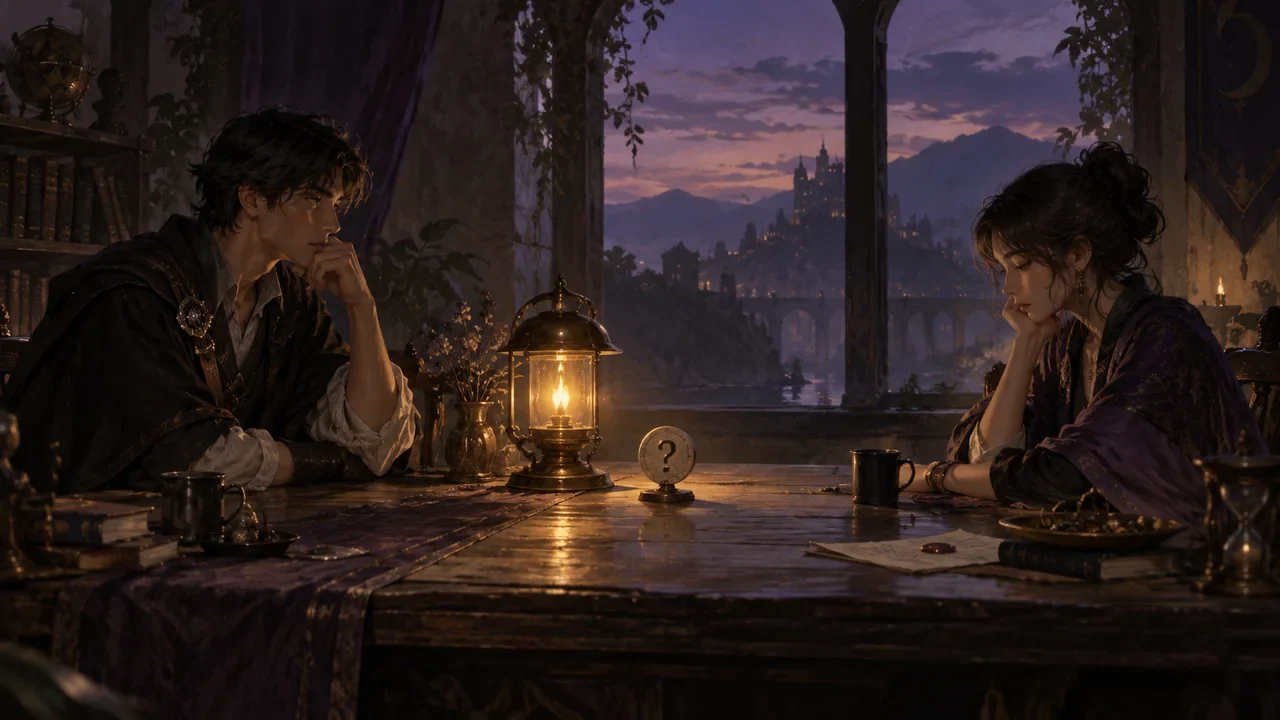
Silence in interactive dialogue is not the absence of content, but the character temporarily withholding content. The first thing a writer must do is give this wait an intent: is the character organizing information, refusing to answer, or inviting the other person to speak first. Different intents mean different actions, readable signals, and recovery entry points. What the player sees is not a countdown, but what the character is doing and where they can pick up the conversation.