• Home
  • Blog
  • Gallery
  • Pricing
  • Home
  • Blog
  • Gallery
  • Pricing
Start creating

Creator blog

Better stories start here

Discover practical AI tools, interactive storytelling methods, and production lessons—from the first idea to a story people can play.

DRAMAFORKStories · Craft · Possibility
Topics
AllFictional Case StudyCreative CollaborationStory LocalizationMobile and AccessibilityActing and StagingNarrative MechanicsExploring Time and SpaceRelationships and GroupsResources and ConstraintsInformation and CommitmentsProduction PracticeProduct workflowInteractive narrativeCreation tutorialsChoosing toolsGetting started
10 articles

Editorial / 01

Latest articles

Practical methods for narrative structure, visual production, and everything in between.

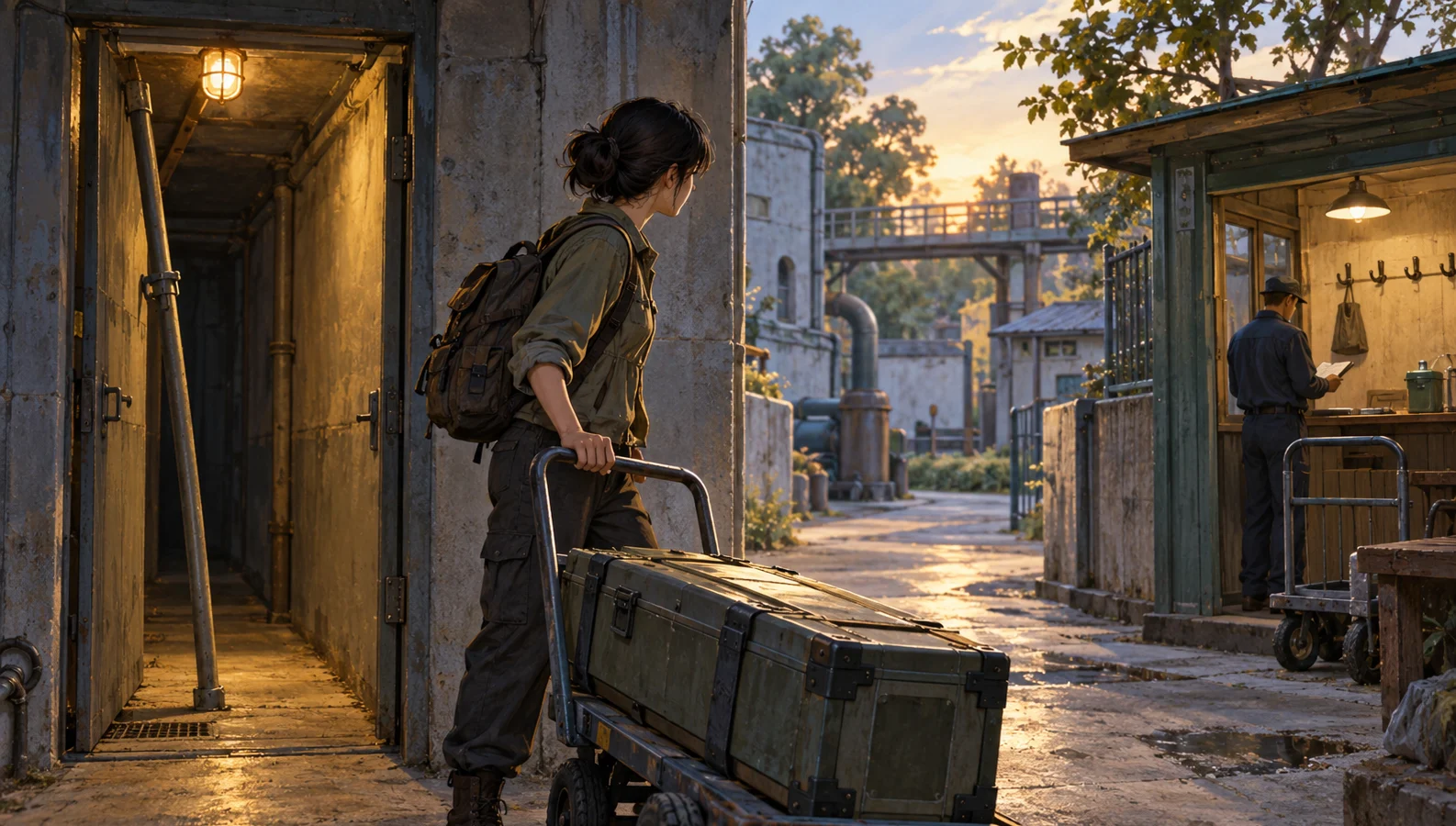
What Changes Must You Explain When You Skip a Journey? — original editorial cover illustrationTopic selection
Exploring Time and Space2026.10.07

What Changes Must You Explain When You Skip a Journey?

Cutting straight from a harbor to a mountain station lets you skip the travel, but you still need to explain changes in time, objects, and companions that affect the next scene. A transition continuity sheet helps you decide which facts must appear, when to explain them, and which travel details you can leave out.

DramaFork Editorial Team18 min read
Continue reading

The next move is yours

From a story to a playable world.

Do not wait for every video to be finished before testing the story. Build the characters, rules, and branches first, then let real choices guide what you make next.

Start with one story decision

Try a playable example

From a story to a playable world.

Start with one story idea, then shape scripts, characters, shots, and branches into a playable first version.

Product

  • Pricing
  • Credits guide
  • Capabilities
  • Workflow
  • Examples
  • FAQ

Explore

  • Playable gallery
  • Creator blog
  • Creator partnership

Legal

  • Privacy
  • Terms
© 2026 DramaFork/AI interactive story studio
Press Enter to send, or drag away and release.
The Return Journey Is Not the Outbound Trip in Reverse: How to Write the Route Back After a Task — original editorial cover illustration
Exploring Time and Space2026.10.07

The Return Journey Is Not the Outbound Trip in Reverse: How to Write the Route Back After a Task

Collecting the part only ends the search. The return journey must still address how to transport it, what remains unfinished from the outward trip, and what to explain at handoff. Use an outbound–return information table and three kinds of payoff nodes to establish passage conditions before choices, prompt new actions at familiar locations, and make returns and handoffs explicit.

DramaFork Editorial Team20 min read
Continue reading
Locations Have Layers: How Can a Room Outage Affect Only the Devices It Should? — original editorial cover illustration
Exploring Space and Time2026.10.07

Locations Have Layers: How Can a Room Outage Affect Only the Devices It Should?

Record power conditions separately for rooms, buildings, and areas, then determine outcomes from each device’s actual dependencies. Use a scope card and a step-by-step walkthrough to handle local outages, area-wide power loss, independent power sources, and restoration order.

DramaFork Editorial Team16 min read
Continue reading
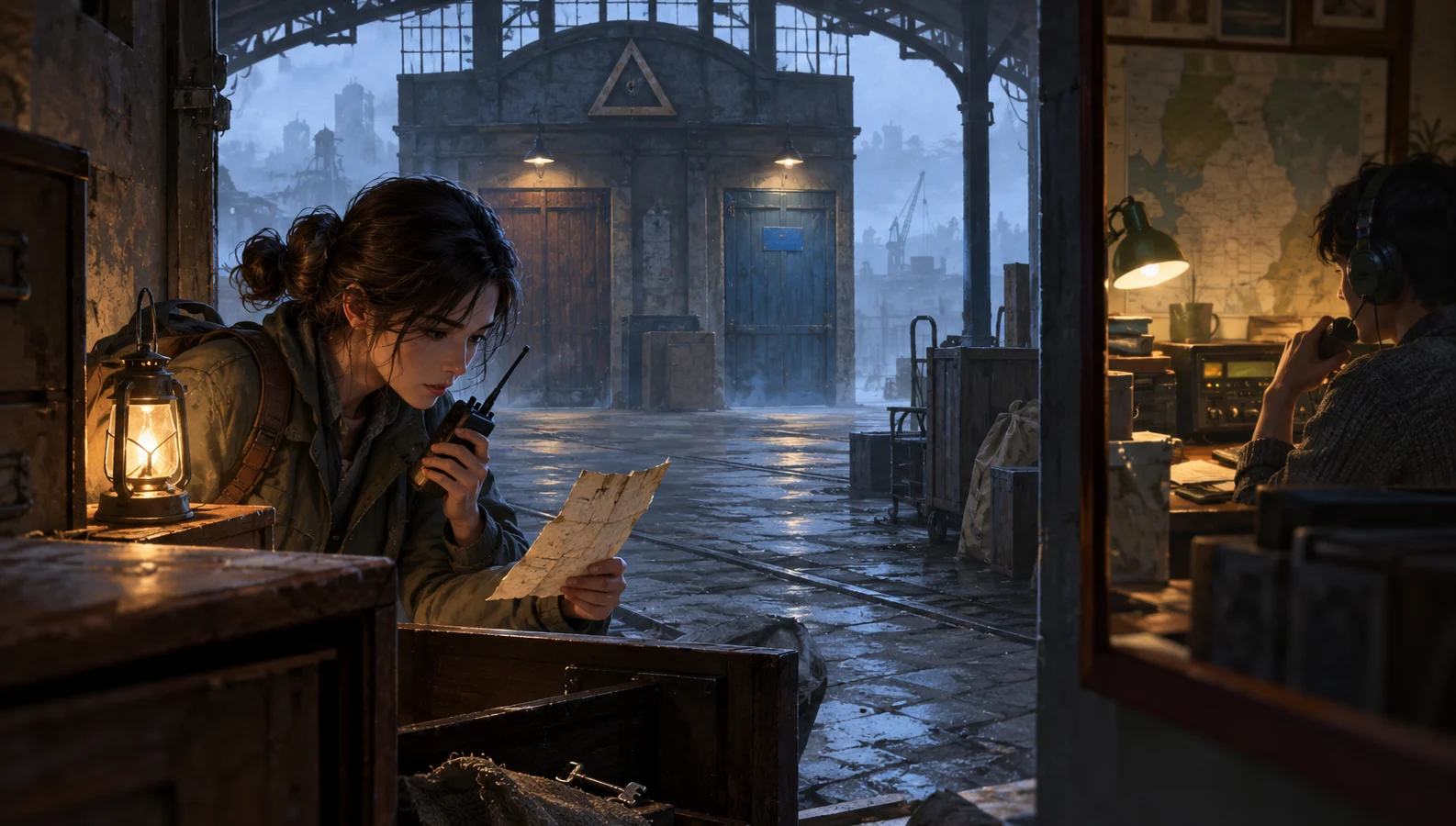
How Can a Distant Character Join the Story Without Suddenly Knowing Secrets at the Scene? — original editorial cover illustration
Exploring Time and Space2026.10.07

How Can a Distant Character Join the Story Without Suddenly Knowing Secrets at the Scene?

Track what the player sees, what they say, what reaches the navigator over the radio, and what is confirmed as received. Use report IDs, readbacks, and advice withdrawals so the distant character can contribute to decisions on a clear basis.

DramaFork Editorial Team17 min read
Continue reading
Waiting Should Do More Than Skip Time: Turn Reflections, People, and Wind into Observable Rounds — original editorial cover illustration
Exploring Time and Space2026.10.07

Waiting Should Do More Than Skip Time: Turn Reflections, People, and Wind into Observable Rounds

When watching a signal lamp, players need to know what changed this round, what remains unknown, and when leaving makes sense. A waiting-round outline turns reflections, people, and wind into information they can compare, with clear conditions for continuing, changing course, and stopping.

DramaFork Editorial Team17 min read
Continue reading
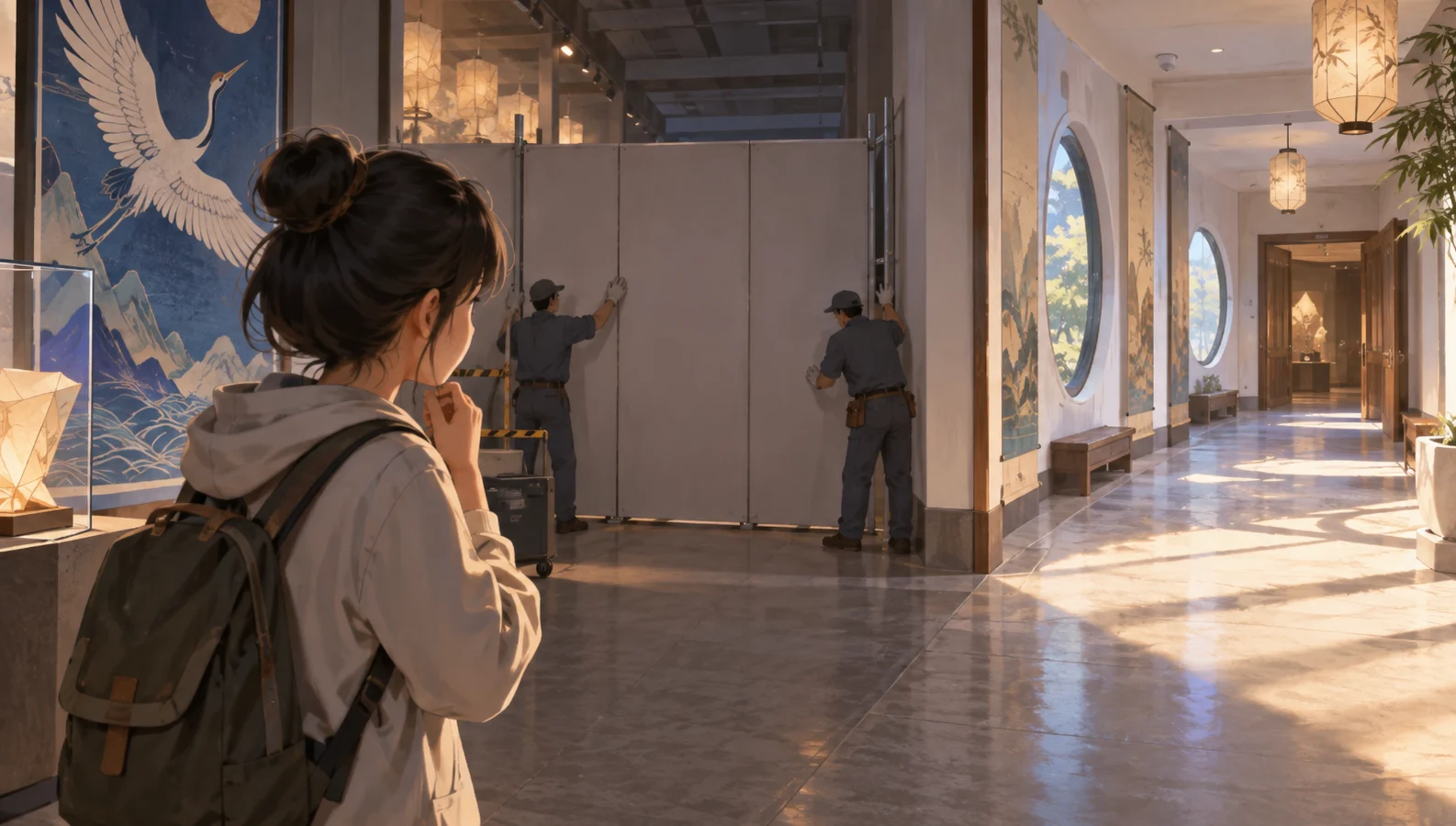
When a Space Changes, How Should Old Directions Be Retired? — original editorial cover illustration
Exploring Space and Time2026.10.07

When a Space Changes, How Should Old Directions Be Retired?

When a temporary partition blocks a corridor, adding “This way is closed” is not enough. A directions handover sheet connects the moment of change, invalidated cues, alternative routes, and return-visit checks so that old instructions stop serving as current navigation.

DramaFork Editorial Team18 min read
Continue reading
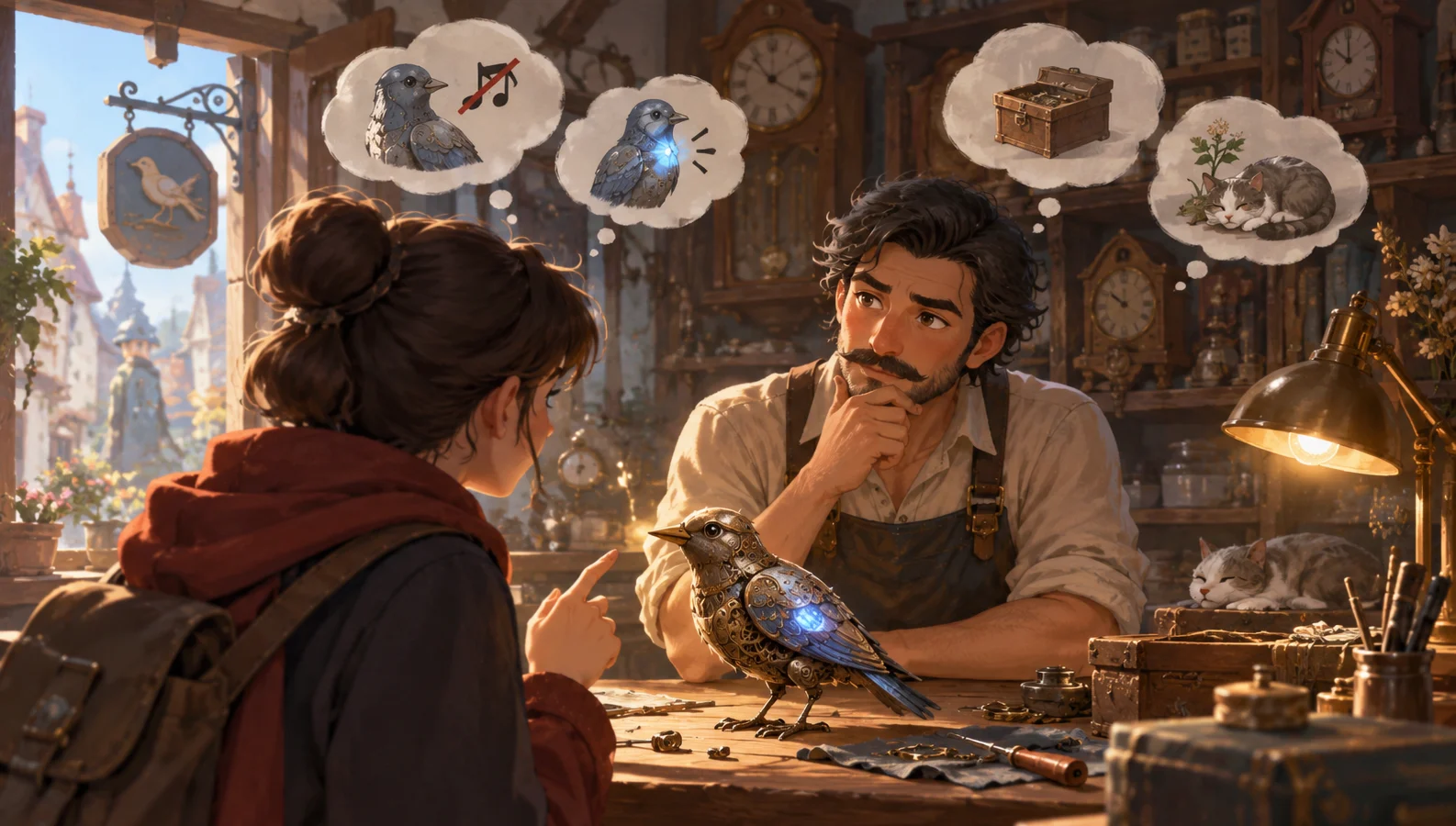
How do you order dialogue on repeat visits without leaving it to chance? — original editorial cover illustration
Exploring Time and Space2026.10.07

How do you order dialogue on repeat visits without leaving it to chance?

Across four visits to the same repair shop, unresolved matters determine which line comes first. A priority checklist separates registered entries from eligible candidates and fault reports from inspection conditions, then orders responses to changes and everyday conversation. An inspection alone does not close a fault event: successful repair must still be confirmed.

DramaFork Editorial Team21 min read
Continue reading
After the Archives Close: Keep the Story Moving with Three Time-Based Routes — original editorial cover illustration
Exploring Time and Space2026.10.07

After the Archives Close: Keep the Story Moving with Three Time-Based Routes

When players miss opening hours, the archivist need not make an exception, and players need not wait aimlessly. Use a time-and-access table to plan regular record consultation, a next-day appointment, and an independent investigation that evening, then specify when the routes converge and what each can establish.

DramaFork Editorial Team18 min read
Continue reading
The Same Workshop, Different Arrivals: What the Mountain Path and River Route Should Leave Behind — original editorial cover illustration
Exploring Time and Space2026.10.07

The Same Workshop, Different Arrivals: What the Mountain Path and River Route Should Leave Behind

Let the information, objects, and unfinished business carried into the workshop shape the first exchange. Includes a reusable arrival-state table and convergence dialogue that changes according to whether the fault has already been explained.

DramaFork Editorial Team20 min read
Continue reading
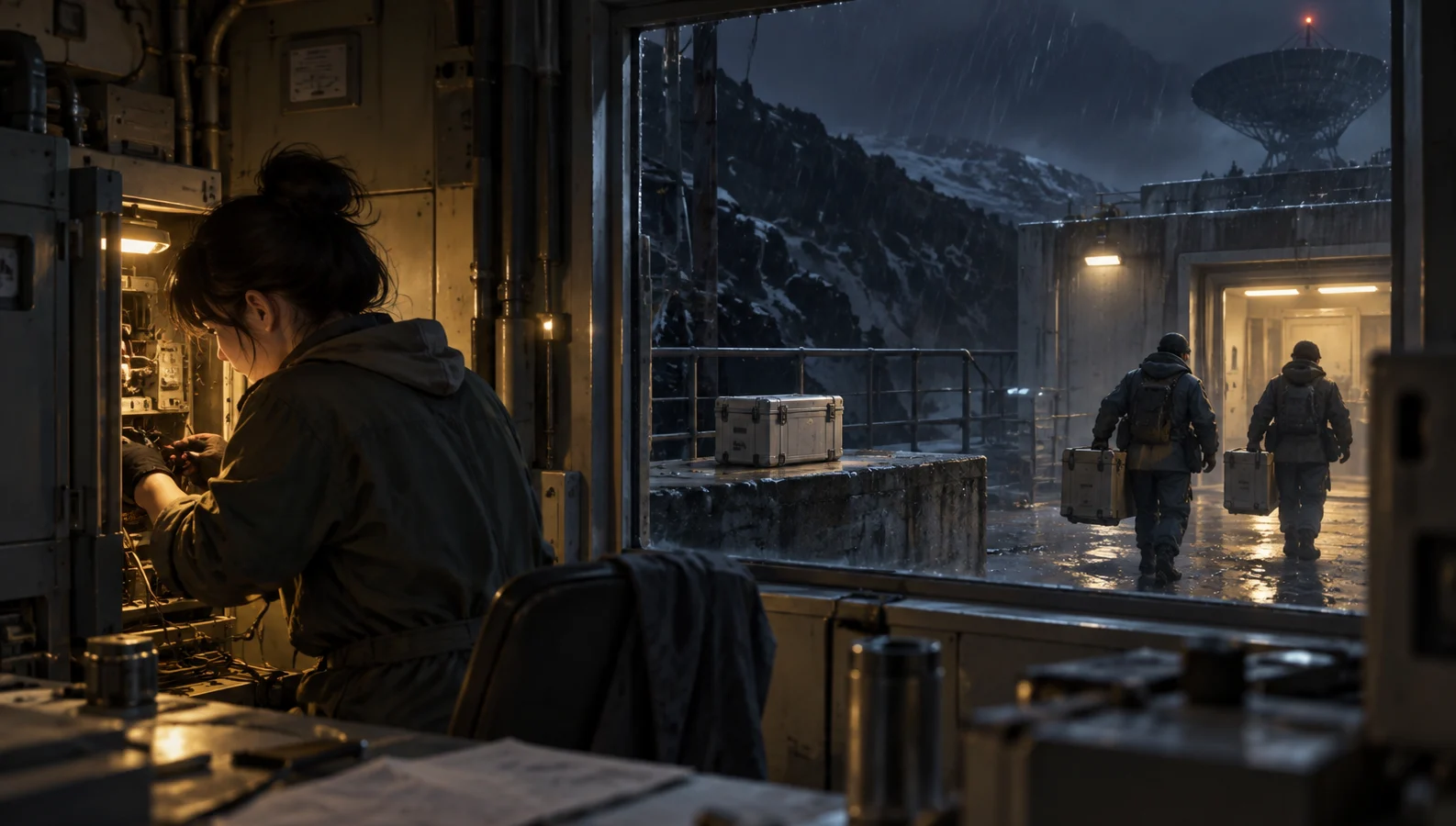
Two Things at Once: Writing a Timeline the Player Cannot Witness — original editorial cover illustration
Exploring Time and Space2026.10.07

Two Things at Once: Writing a Timeline the Player Cannot Witness

While the player repairs a generator, the transport crew keeps moving. Use a shared timeline to fix offscreen actions, then record when information arrives and which details remain unverifiable.

DramaFork Editorial Team20 min read
Continue reading

Blog categories

  • All301
  • Fictional Case Study10
  • Creative Collaboration10
  • Story Localization10
  • Mobile and Accessibility10
  • Acting and Staging10
  • Narrative Mechanics10
  • Exploring Time and Space10
  • Relationships and Groups10
  • Resources and Constraints10
  • Information and Commitments10
  • Production Practice59
  • Product workflow34
  • Interactive narrative49
  • Creation tutorials19
  • Choosing tools33
  • Getting started7

From a story to a playable world.

Start with one story decision

Create a project