How to Turn a Letter-Delivery Premise into a Text Adventure: Make Route, Deadline, and Recipient Into Choices
To turn a letter-delivery premise into a playable text adventure, the core is splitting “who the letter reaches, when it arrives, and what you gain along the way” into three mutually constraining quantities.

Introduction
To turn a letter-delivery premise into a playable text adventure, the core is splitting “who the letter reaches, when it arrives, and what you gain along the way” into three mutually constraining quantities. The route changes travel time, and travel time determines whether you can meet the deadline; the route also changes the information you gain along the way, and that information determines whether you can persuade the recipient; the delivery conditions define in what state the letter truly counts as delivered. The letter’s contents themselves do not change because of the route; what changes is what you bring with you when you meet the recipient.
Below, we’ll walk through a fictional teaching example, The Last Letter of the Mountain Town. Before the rainy season closes the roads, the protagonist delivers a letter for an old postman to a clockmaker on the north slope. The deadline is before dusk on the third day, after which the recipient will leave. The postman tells you in person a message that must be relayed, and authorizes you to read it aloud on delivery; the rest of the main text remains sealed. The letter’s contents are fixed, and later routes only change the circumstances of delivery, not rewrite old events that happened in the letter.
What the First Turn Should Give
The first turn does only three things: establish that the letter cannot be replaced, reveal the deadline, and give three routes. The player’s identity is a temporary postman, the talent is “remembers what others say offhand,” and the prior state is “has already promised the old postman, but does not know whether the recipient will acknowledge this letter.”
A usable opening text:
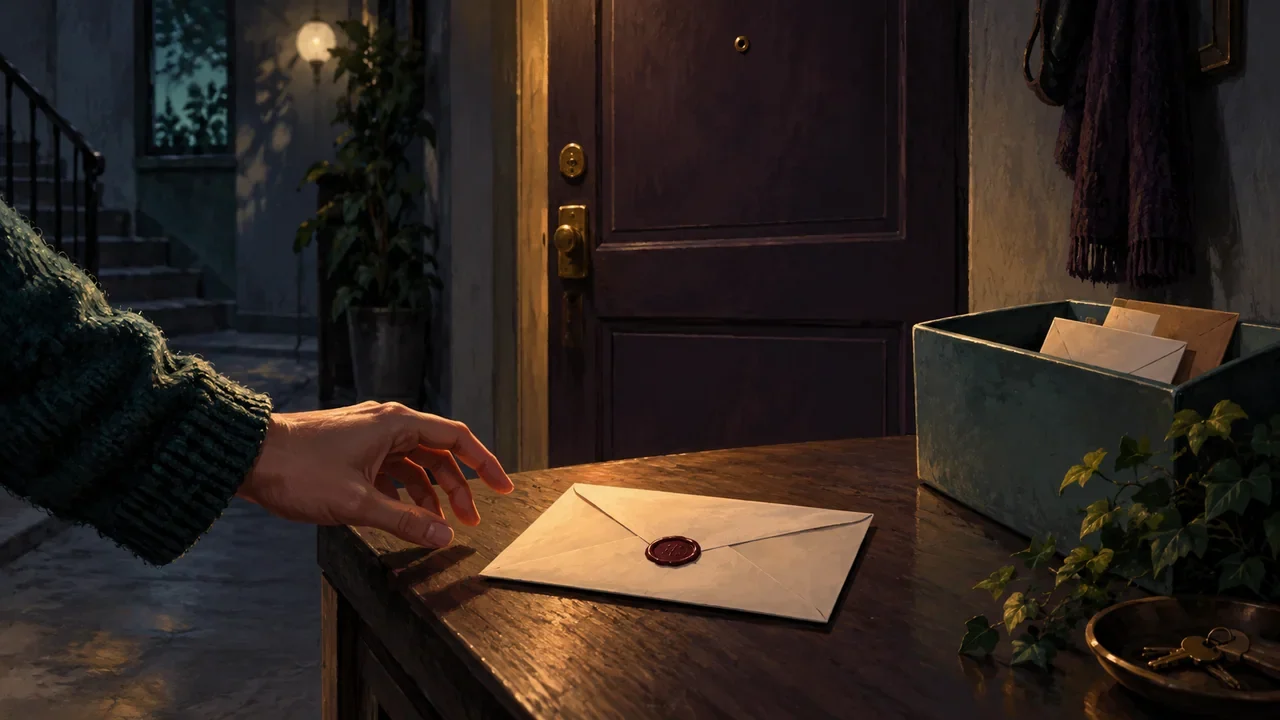
The old postman pressed the letter into your palm, the paper corner softened by his grip. “Before dusk on the third day, put it into the hands of the clockmaker on the north slope. After that point, he will go down the mountain.” Outside the window, rain lines pressed against the ridge. Three roads lay before you: the riverside stone-paved path is fastest, but it passes a landslide gap; the post road over South Ridge is stable, but takes an extra day; going around West Gully with the coal cart saves effort, but the cart owner wants you to first carry a verbal message for him.
The three options correspond directly to the three routes. The player does not need to know all the consequences at this moment, but the deadline and the recipient have already appeared first, so later inferences have a basis.
What Each of the Three Routes Changes
| Route | Travel time | Information gained along the way | Effect on delivery conditions |
|---|---|---|---|
| Riverside stone-paved path | Arrive by dusk on the second day | Hear someone at the landslide gap mention that the clockmaker is waiting for a letter | Arrive early, but may carry the state “the letter has been soaked by rain” |
| South Ridge post road | Arrive by afternoon on the third day | Meet the clockmaker’s former apprentice and learn that he does not want to mention old matters | Time is tight, but the information matches the message in the letter |
| West Gully coal cart | Arrive before dusk on the third day | The cart owner relays a sentence about the clockmaker’s recent situation | Just barely makes the deadline, and you owe the cart team a favor |
None of the three routes changes the letter’s contents. What changes is: the state of the letter when you arrive, the information you possess, and the situation you face when meeting the recipient.
The riverside route is fastest, but the landslide gap will let the letter get damp. Arriving early does not mean delivery succeeds; the delivery condition “the letter is legible” may not be satisfied. The South Ridge route is slow, but the former apprentice’s reminder lets you know the clockmaker is sensitive about old matters, and you can choose not to mention that sentence in the letter first. The West Gully route arrives right at the deadline, and the cart team’s favor will later become a constraint that needs to be handled.
Write Delivery Conditions as Judgeable Sentences
Do not write delivery conditions as “the recipient is moved”; write them as sentences that can be judged on the spot. It is suggested to define three first:
- The letter is delivered into the clockmaker’s own hands before dusk.
- The writing on the letter paper is legible.
- The clockmaker is willing to hear out the message in the letter, rather than returning the letter.
The first two are hard conditions, and the third depends on the information you gained along the way and your manner of dialogue. In this way, route, deadline, and recipient truly interlock, rather than each going its own way.
Remedies After Missing the Deadline
If the player arrives after dusk on the third day, do not directly rule failure. Give one remedy, but the remedy must come at a cost, and it must not change the letter’s contents. A usable remedy is: the clockmaker has already reached the post station halfway up the mountain, and you can catch up, but you must use information gained along the way or incur a favor.
For example, a player on the West Gully route who fails at the deadline can ask someone from the coal cart team to give them a ride, at the cost of agreeing to deliver the cart team’s next verbal message. A player on the South Ridge route who fails can use the former apprentice’s name to have the post station pass on word, at the cost that the clockmaker will first assume you are speaking for the apprentice. The remedy does not change what the letter says, only the way you approach the recipient.
How to Connect One Free Input
Do not open free input as “write whatever you want.” Give a specific action slot and let the player input “the first sentence you want to say to the clockmaker.” The system judges the third delivery condition based on this sentence and the existing information.
For example, the player inputs: “The old postman told me I must put it into your hands; I won’t ask anything else.” This sentence does not cite old matters, and the clockmaker may accept the letter but be unwilling to talk much. The player inputs: “Your apprentice said you don’t like to mention the past, so I’ll leave the letter and go.” This sentence uses information from the South Ridge route, and the clockmaker may ask about the apprentice’s recent situation. Neither input changes the letter’s contents; they only change whether the recipient is willing to hear out the message.
Completion Check
After writing the first turn, self-check according to these four items:
- Do the travel times of the three routes each affect the deadline judgment, rather than only changing background description?
- Does each route give one usable piece of information or one usable cost?
- Are the delivery conditions written as sentences that can be judged on the spot, and do they not rely on player guesswork?
- After missing the deadline, is there only one remedy, and does the remedy not change the letter’s contents?
If all four items hold, this letter-delivery scene can be played: route changes travel time, travel time changes circumstances, information changes dialogue, and delivery conditions determine whether the letter is truly delivered. The next step can be to write only the complete second turn of the riverside route, concretize the state “the letter has been soaked,” and then backfill the other two routes.