
• Home
  • Blog
  • Gallery
  • Pricing
  • Home
  • Blog
  • Gallery
  • Pricing
Start creating

Creator blog

Better stories start here

Discover practical AI tools, interactive storytelling methods, and production lessons—from the first idea to a story people can play.

DRAMAFORKStories · Craft · Possibility
Topics
AllProduction PracticeProduct workflowInteractive narrativeCreation tutorialsChoosing toolsGetting started
201 articles

Editorial / 05

Latest articles

Practical methods for narrative structure, visual production, and everything in between.

In a lounge, a white porcelain cup returns from the bench and window to the shared state on the coffee table.Featured
Production practice2026.09.20

One Cup Across Three Branches: How to Make a Minimal Prop Continuity Table?

For every prop that needs to cross branches, build a four-column table with the columns "time point, location, holder, visible state and movement action." Fill it out once for each branch, compare them side by side before the merge, first determine location and holder and fill in the necessary handoffs, then fix visible state, and finally polish the scale of movement. Below, a fictional teaching example walks through the full process; the characters, numbers, and dialogue are all invented and do not correspond to any real project.
DramaFork Editorial Team18 min read
Continue reading

Blog categories

  • All201
  • Production Practice59
  • Product workflow34
  • Interactive narrative49
  • Creation tutorials19
  • Choosing tools33
  • Getting started7

Make your story playable for the first time

Start with one story decision

Create a project

The next move is yours

Make your story playable for the first time

Do not wait for every video to be finished before testing the story. Build the characters, rules, and branches first, then let real choices guide what you make next.

Start with one story decision

Try a playable example

Let agents handle production complexity while you keep creative control.

Start with one story idea, then shape scripts, characters, shots, and branches into a playable first version.

Product

  • Pricing
  • Capabilities
  • Workflow
  • Examples
  • FAQ

Explore

  • Playable gallery
  • Creator blog
  • Creator partnership

Legal

  • Privacy
  • Terms
© 2026 DramaFork/AI interactive story studio
Press Enter to send, or drag away and release.
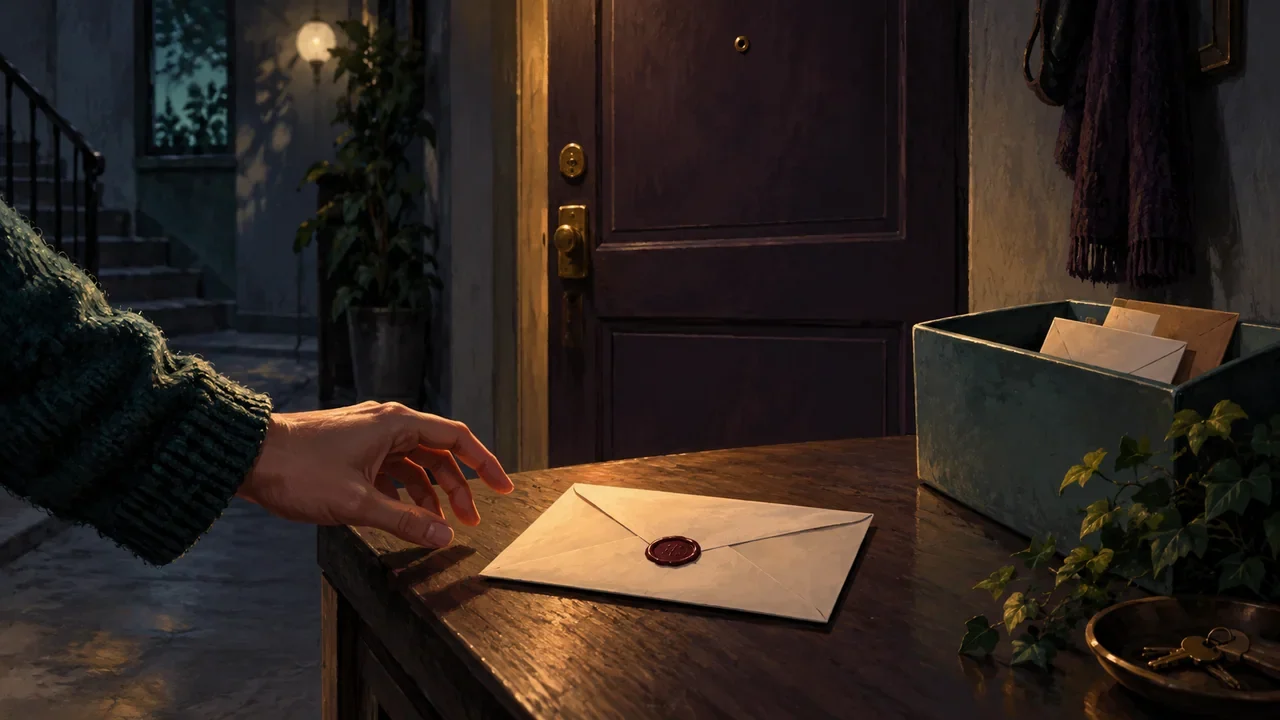
A sealed letter waits between a resident's hand, a neighbor's door, and a return box.
Interactive narrative2026.09.19

How a Letter That Should Not Be Opened Becomes a Choice: Knowledge, Responsibility, and Relationship Each Settle Consequences Separately

Writing "should it be opened" as a choice depends not on what is written in the letter, but on which clues the author has already placed on the table before the player acts. Players can only act on clues they have seen, so relationship costs must be planted before the letter is opened: which words are visible on the envelope, who has handled the letter, and what the recipient has said before. Below, a fictional teaching example, "Letter from the Old Address," illustrates a repeatable approach. The characters, numbers, and quoted words in the example are fictional and are not test data.

DramaFork Editorial Team18 min read
Continue reading
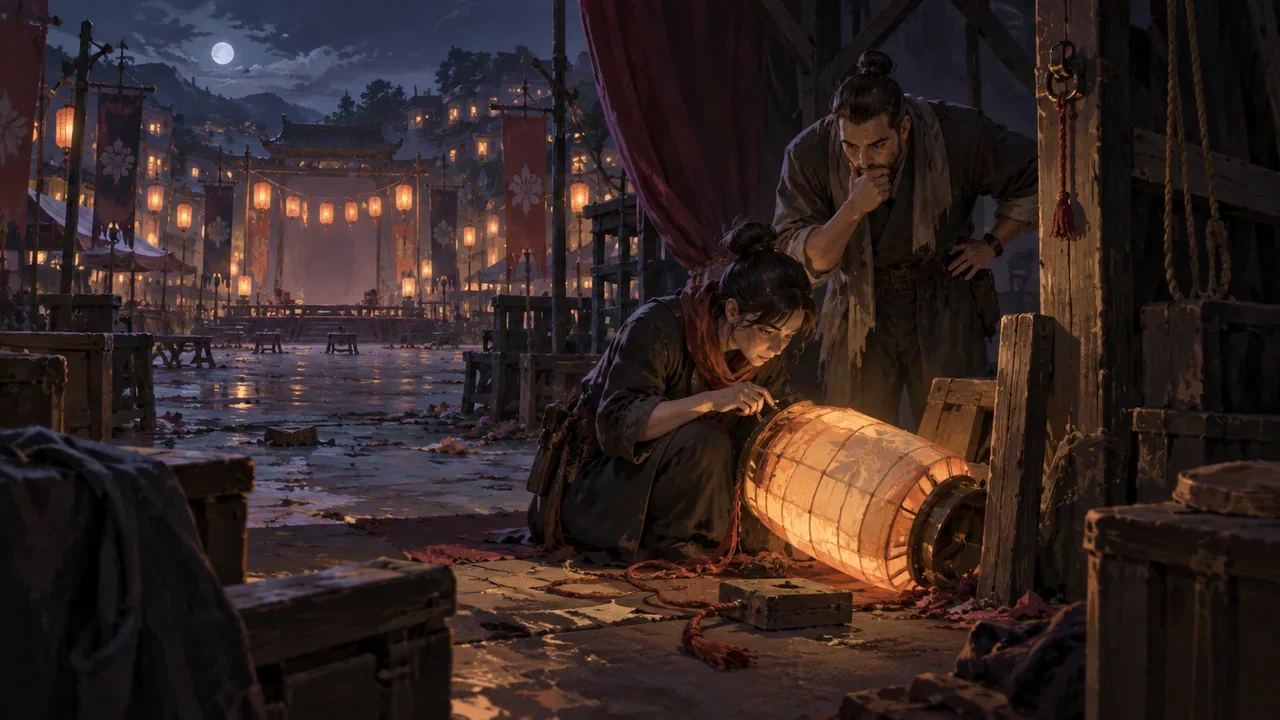
Adult festival organizers inspect a displaced lantern and a loose fastening behind an empty stage.
Interactive narrative2026.09.19

How to Write Lightweight Mysteries for Festival Deduction: First Let Players Know How the Festival Normally Works

First write clearly the festival's "normal day," then let the anomaly appear. Only when players know how the handover, lantern lighting, parade, and lantern collection originally proceed can they judge which step is wrong. Otherwise every unfamiliar custom looks like a clue, and deduction turns into guessing the author's mind.

DramaFork Editorial Team15 min read
Continue reading
A museum curator chooses among display platform heights, visitor sightlines, and exhibit context.
Interactive narrative2026.09.19

Museum Curation Can Branch Too: Let Exhibit Trade-offs Reflect Narrative Stance

Write curation as a value choice: first compress the number of display cases until it is clearly insufficient, then let each exhibit carry a piece of irreplaceable information. If the player chooses two, they must give up the third; the abandoned one does not disappear, but remains in the gallery as a "missing description," reminding visitors what was originally here. The choice therefore changes what past the audience can piece together, not just how many points they get.

DramaFork Editorial Team15 min read
Continue reading
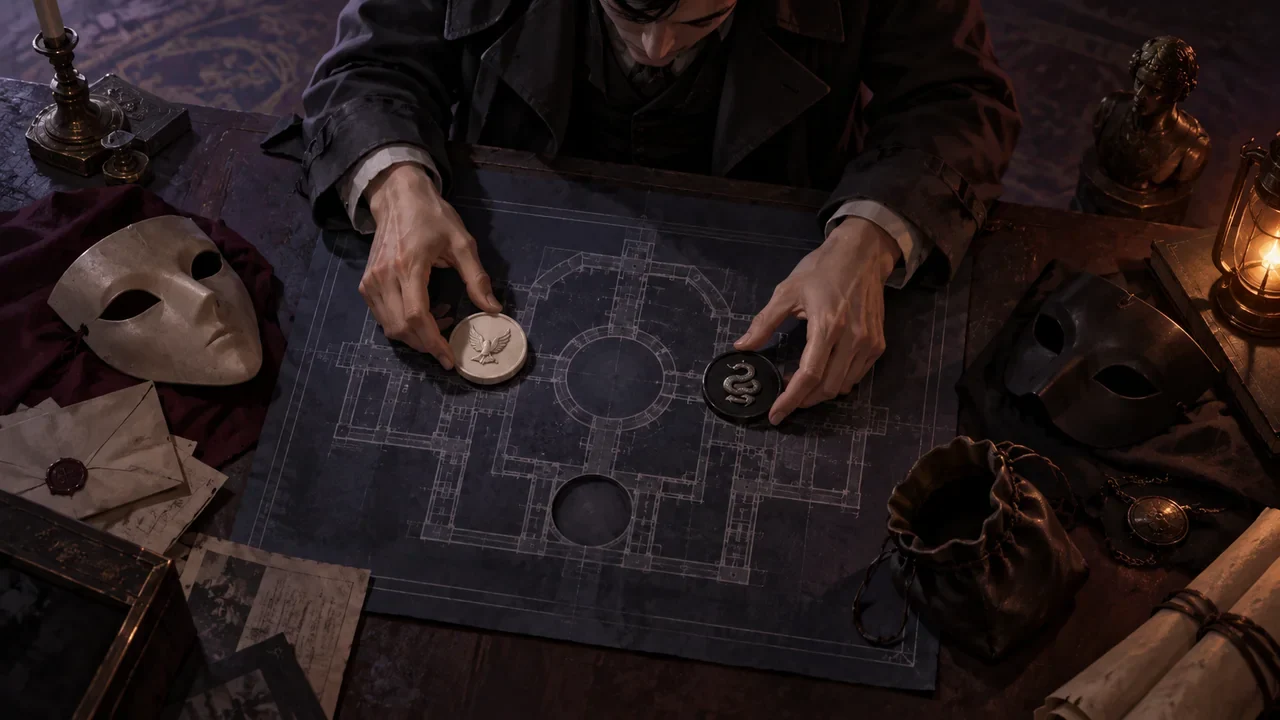
A double agent places two incompatible mission tokens on a shadowed vault blueprint while a third empty pocket suggests the cost of disclosure, tense overhead shot.
Interactive narrative2026.09.18

How to Design Dual Identities in a Fictional Infiltration Story: One Answer Facing Two Listeners

The key to a dual identity is not that "he has two faces," but that the same answer must serve two listeners at once, and the two listeners understand that answer differently. When designing, first write down the surface task and the hidden goal, then list at least two listeners for each scene (one who believes the surface identity, one who might see through it), then write an answer that "makes sense on both sides," and finally mark which layer of information this answer advances and which layer of information bears risk.

DramaFork Editorial Team16 min read
Continue reading
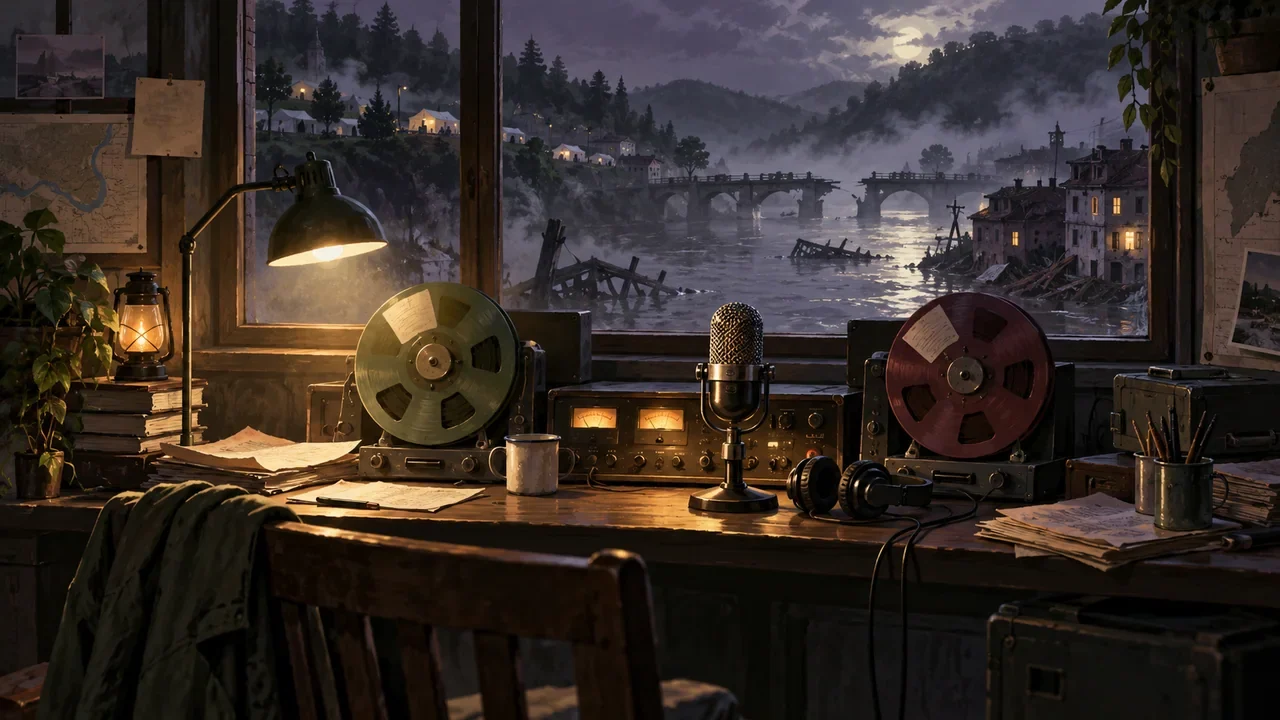
A fictional flooded town's radio desk separates two message reels with their own source tokens, while through the window a bridge remains partly obscured by mist.
Interactive narrative2026.09.18

How Can a Post-Disaster Town Radio Story Make Choices Land in Visible Consequences?

Treat radio as a clue that walks: it starts from a source, passes through the host's confirmation threshold, the transmitter's coverage range, and the choice of broadcast timing, then lands on different listeners and changes their next actions. The Riverbend Night Radio is a fictional teaching example: on the seventh day after the flood receded, the town's Riverbend district is split between an uphill shelter and a downhill old neighborhood, and the night radio is the only stable shared channel between the two.

DramaFork Editorial Team20 min read
Continue reading
A mythical ferryman on a moonlit riverbank shows a contract and three clear exchange items.
Interactive narrative2026.09.18

How Fantasy Contracts Become Story Choices: Let Players Understand the Promise Before Signing

To write a contract as a story choice, the key is to put three things on the table before the player makes a decision: what each side must do, under what circumstances exceptions apply, and what to do if they want to exit. If any one is missing, the contract is just background decoration, and the player's choice becomes guesswork. Below, a fictional teaching example, "Borrowed Wind Agency," is used to demonstrate; the characters, terms, and numbers in the example are all fabricated, used only to explain the writing approach, and do not constitute real contract advice.

DramaFork Editorial Team14 min read
Continue reading
A traveler on a train checking a torn ticket corner, seat plate, and carriage route.
Interactive narrative2026.09.17

How to Design Conversation Order in a Train Lost-Item Story: Each Passenger Provides Only One Necessary Piece of Information

Conclusion first: treat "who speaks first" as part of the elimination process, not as a plot reward. Each passenger holds only one fragment that can verify the ticket stub, seat, or transfer record; players can ask in any order and still get the fragments, but only by combining the three pieces of information "ticket stub missing corner—seat orientation—transfer station name" can they confirm the item's ownership. Below, a fictional teaching example, "Car Twelve," walks through the complete construction; the numbers and dialogue are design examples, not measured data.

DramaFork Editorial Team15 min read
Continue reading
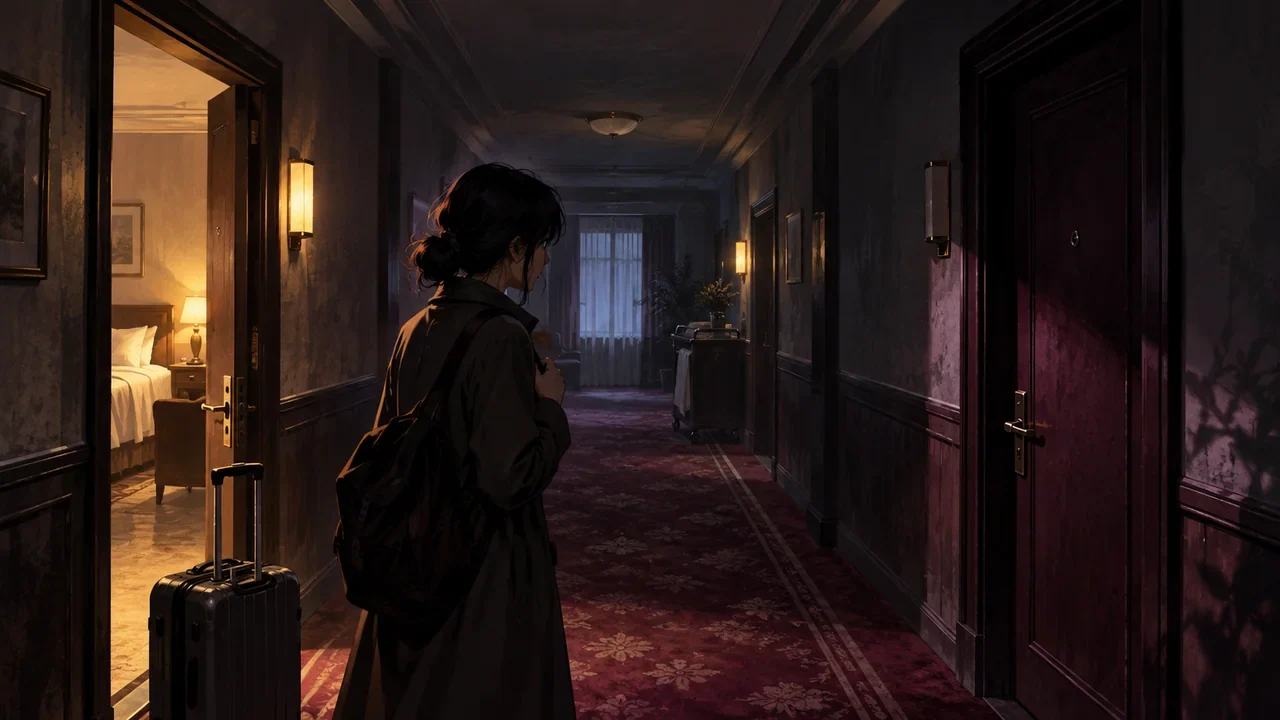
In a hotel corridor, a guest faces a safe doorway and a shadowed unopened room.
Interactive narrative2026.09.17

How to Write Interactive Horror in a Single Hotel Room: Limit Information, Never Change Spatial Rules Casually

Let's make the answer clear first: treat the hotel room as a closed system, lock down three spatial rules first, then let players verify them only through sound, door state, and repeated clues. Before danger appears, give at least one observable test and one clear exit choice. Below, we walk through the complete process using the fictional teaching case "Knocking Sounds in Room 207." The room, characters, numbers, and dialogue in the case are all invented for explanation, not actual test data.

DramaFork Editorial Team13 min read
Continue reading
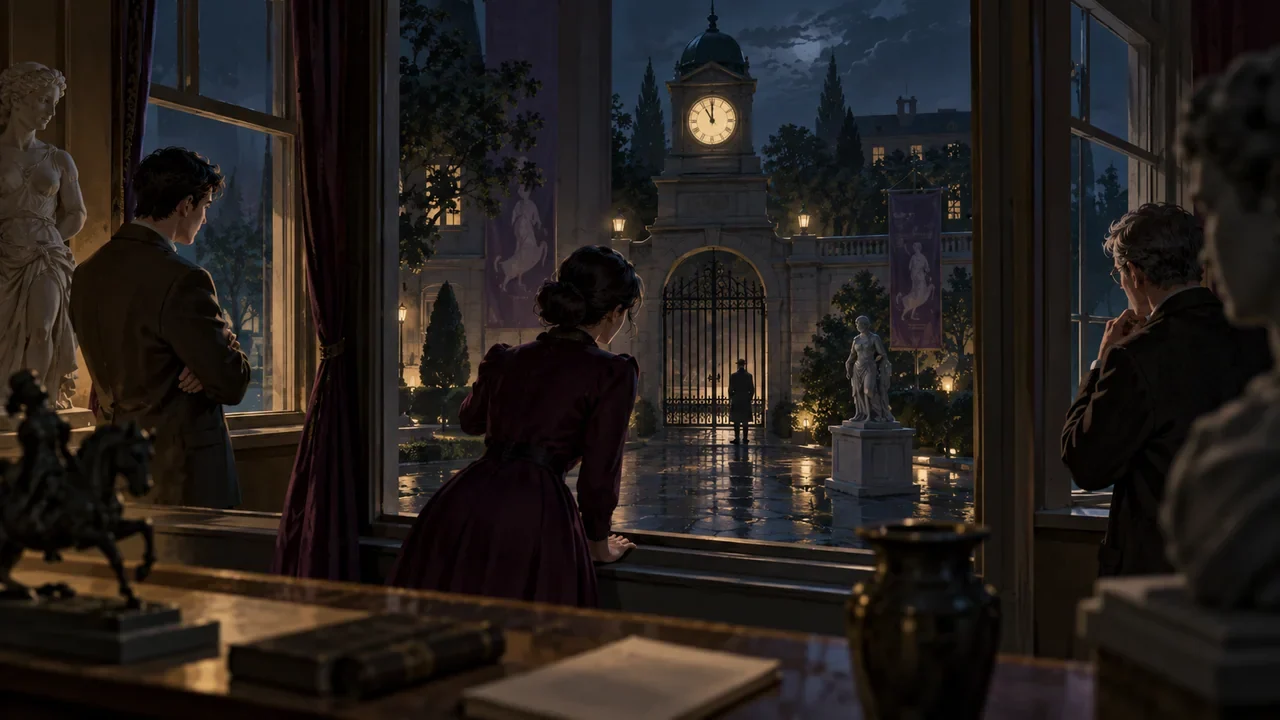
Three witnesses stand at separate windows around one visible north gate and central clock, with differing lines of sight while one physical timeline remains fixed.
Interactive narrative2026.09.17

How Do Detective Stories Let Players Discover Contradictions in Testimony Instead of Waiting for the Protagonist to Announce the Answer?

Conclusion first: put "comparable facts" up front, and let actions at the same time and same place constrain each other, so players can point out contradictions themselves. The protagonist does not need to announce the answer, only to confirm or ask follow-up questions after the player points it out. Below, a fictional teaching example, "The Seven Minutes the Exhibition Hall Went Dark," walks through the full process.

DramaFork Editorial Team16 min read
Continue reading
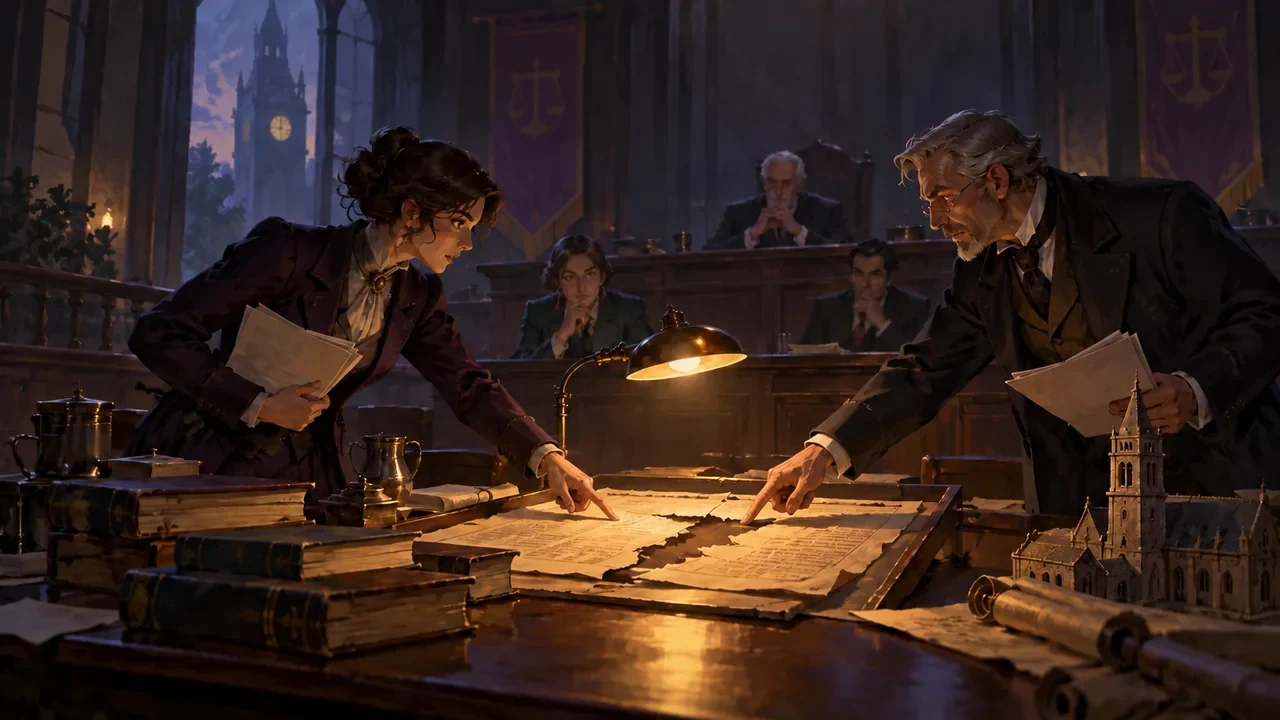
In a fictional hearing room, both sides check the evidentiary scope of the same damaged record.
Interactive narrative2026.09.16

How to Design Interaction for a Fictional Hearing: Let Players Distinguish Testimony, Claims, and Evidence

To make the interaction of a fictional hearing revolve around argumentation, you can first distinguish testimony, claims, and evidence, then design source questioning, alternative explanations, and acknowledgment of insufficiency. This way players can compare why materials support or fail to support a certain conclusion. Below, The Bell Tower Repair Hearing is used to demonstrate; this is a teaching example of an架空 social drama and has nothing to do with real legal procedures.

DramaFork Editorial Team12 min read
Continue reading
  1. 1
  2. ...4
  3. 5
  4. 6
  5. ...19