How can horror warnings explain intensity without revealing the twist?
Structure warnings around content categories, presentation intensity, and adjustable options. Explain how tension builds and persists, how sounds occur, and what remains after adjustments, while leaving sound sources and the causes of events to the story.
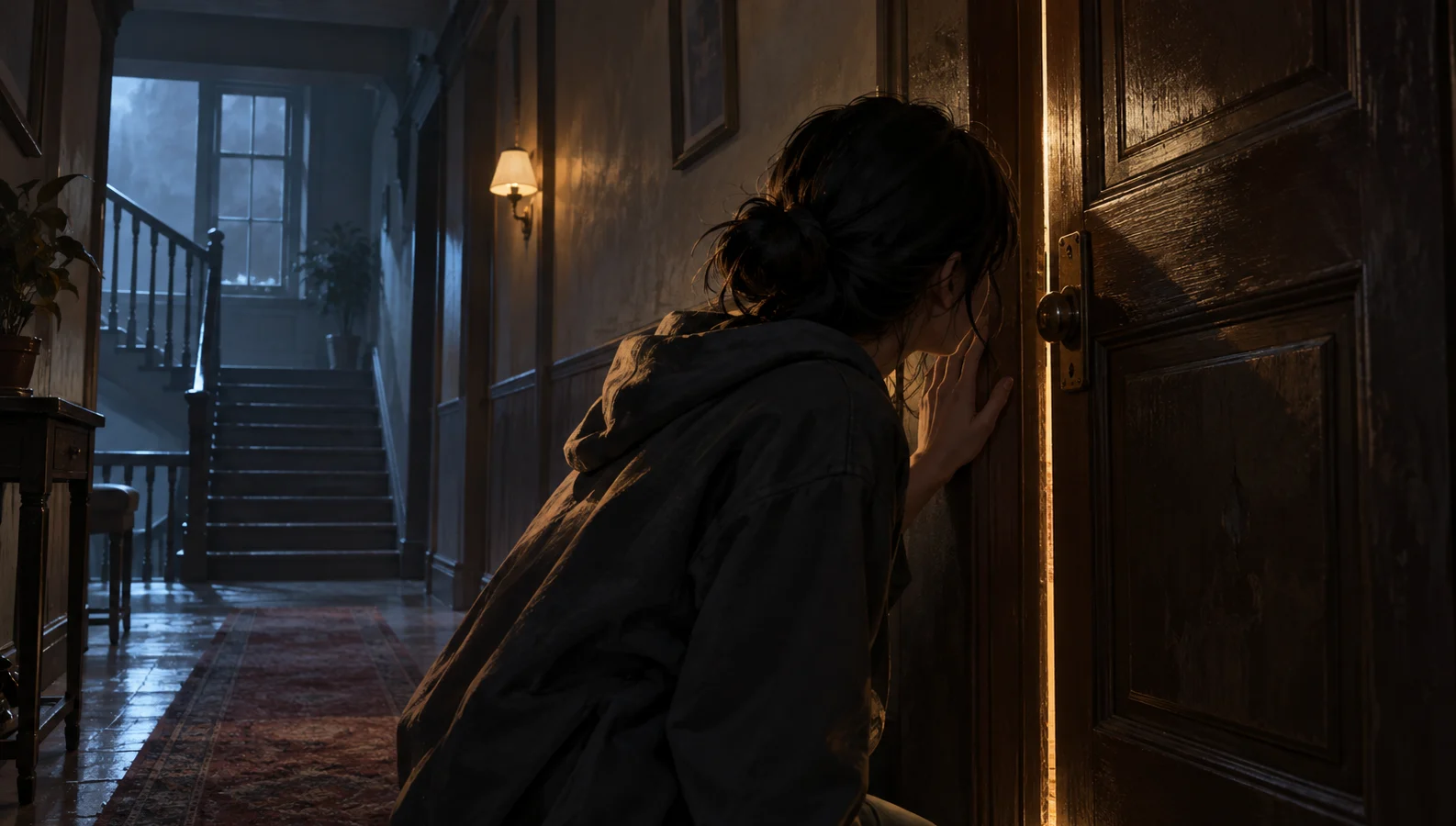
Explain what creates the feeling, and leave the sound source behind the door
A horror intensity warning can be as specific as “sudden impact sounds interrupt extended periods of quiet waiting” without explaining who is hitting the door, why they appear, or what ultimately happens. The most useful approach covers three things: what the content includes, how it is presented, and which aspects can be adjusted. Readers can then decide whether to begin, while the story retains room to explain the unknown.
“A little scary” offers too little basis for a decision; “opening the door reveals the secret of someone you know” gives away the plot. Between those extremes, you could write: “Includes sustained tension, enclosed spaces, and sudden impact sounds; some sounds occur after extended silence.” This describes the structure of the experience without telling readers what is behind the door.
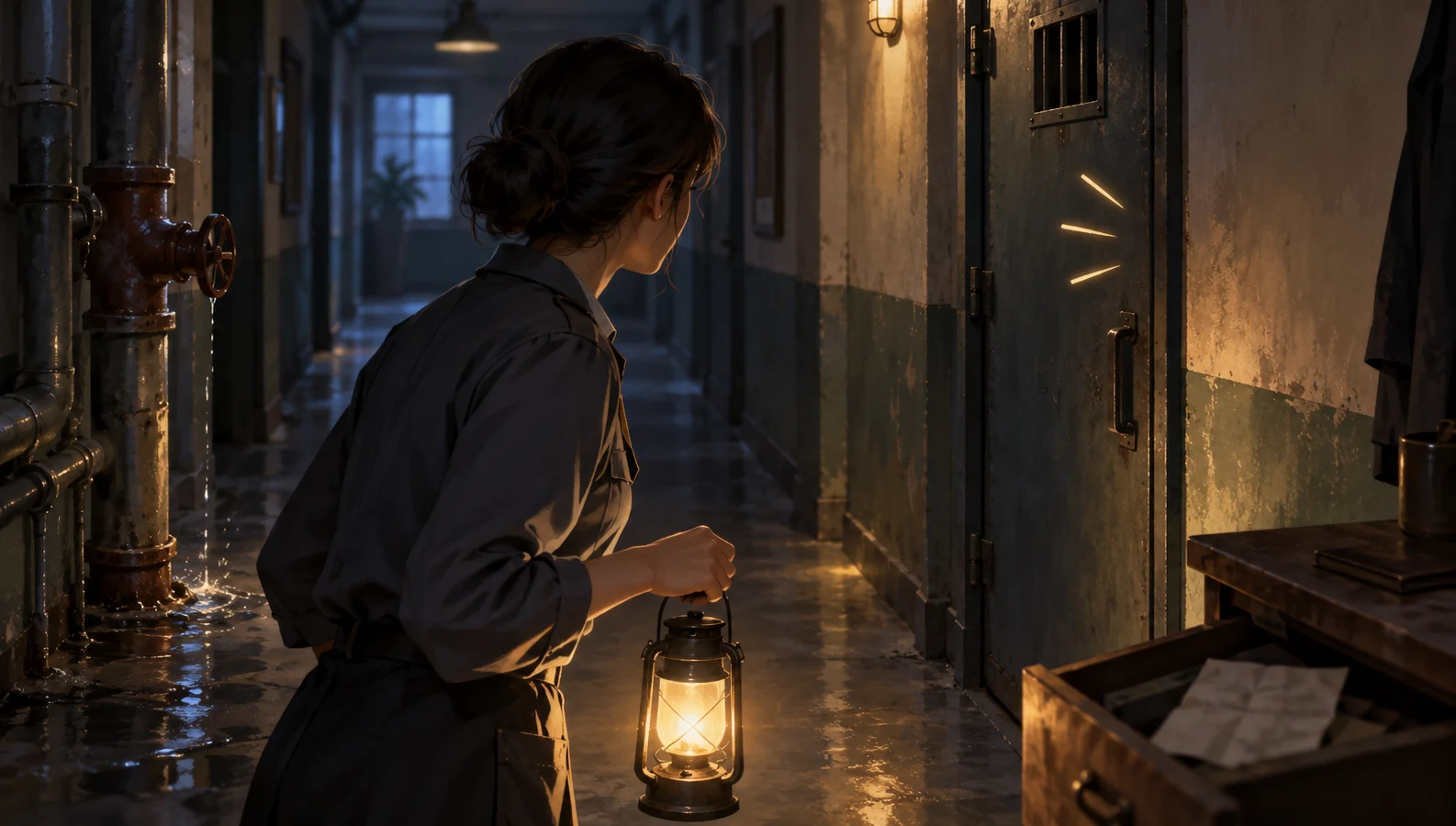
The following uses a fictional teaching example, The Door Gap: the protagonist waits in a corridor, intermittent scraping and impact sounds come from behind a door, and readers can move closer or retreat to the stairwell entrance. The plot, warning cards, and adjustment proposals are all original demonstrations. They are not real user cases or measured test results, and they do not represent existing DramaFork features.
The purpose of this warning is not to guarantee that readers will not feel afraid, but to reduce the information gap behind “I didn't know the work would present things this way.” An intensity description also cannot represent everyone's subjective response.
Replace a vague rating with a three-field warning card
Copy the blank template below, then complete it based on the actual work. Each field should answer only its own question; avoid putting a plot synopsis into a content warning.
| Field | Suggested wording | Do not include |
|---|---|---|
| Content categories | Includes [specific content or sensory stimuli] | The killer, the identity of a sound source, the ending |
| Presentation intensity | [How it persists]; [how sudden events occur]; [relative changes] | A standalone “moderate” or “intense” |
| Adjustable options | Can change [element]; retains [content]; settings are available at [location] | Buttons or effects that have not been implemented |
Break “intense” down into understandable presentation details: whether tension appears briefly or runs through the main sections, whether sounds build gradually or abruptly interrupt silence, and whether a noticeable visual change happens at the same time. There is no need to invent volume measurements or startle probabilities just to appear precise.
Categories and intensity cannot substitute for each other. “Enclosed spaces” identifies content but does not explain how long the shot lingers; “sudden sounds” describes how sounds occur but not whether they recur. You can combine both when filling in the card, for example: “Recurring sudden impact sounds alternate with quiet waiting.”
Adjustable options especially need to explain what remains. “Reducing impact sounds” does not mean “removing tension.” If the work has no separate adjustment option, state directly: “This work does not provide a separate adjustment for sudden sound effects.” Do not imply a nonexistent control by saying “adjust it in settings.”
A completed card and sentence-by-sentence revision for The Door Gap
For this demonstration, assume the creative plan includes two corridor routes, both retaining extended waits. The route closer to the door features repeated impact sounds; some of those sounds remain audible on the route to the stairwell entrance. A version that makes impact sounds less prominent is also proposed, with textual clues unchanged. These are all example assumptions that have not yet been implemented or verified.
Under those assumptions, the proposed warning card could read:
Content: Enclosed spaces, sustained tension, and sudden impact sounds.
Presentation: Extended quiet waits alternate with impact sounds; the number of sounds varies by route, and the visuals remain mainly in the corridor.
Adjustments: A “Soften sudden sound effects” option is proposed to reduce the prominence of impact sounds relative to background sound. Waiting, sounds behind the door, and textual clues will remain. The plan is to make this option available on the start page.
“Proposed” and “plan” remain here because this is a production draft. Published copy can use definite language only after the actual control and its effects have been checked. If the option is not completed, remove the promise and explain the current limitation.
Compare a draft sentence that gives too much away: “After the second knock, it turns out that the person outside the door is the real danger.” It discloses both the sequence of events and a judgment about identity. To revise it, first extract the experiential facts: quiet, sudden sounds, and a continuing sense of threat. Then write: “Sudden sounds interrupt the silence, and the tension continues into later sections.” The causal relationships on which the twist depends can thus stay out of the warning.
Also check for implications such as “retreat to the stairwell entrance and you won't be startled.” In this example, sounds remain audible after retreating, so the route choice cannot be described as a way to eliminate the stimulus. Route differences can go in the detailed explanation; the first layer of warnings should cover the experience shared by both routes.
Offer a second layer for readers who need more information
Display a short warning card by default for readers who want to preserve a sense of the unknown. Provide a separate text link labeled “View detailed content information” for those who need a more specific basis for their decision. This is a page design proposal; whether to use it depends on whether the work can maintain both layers of information.
The second layer can explain whether sounds recur, whether visual changes accompany them, and which clues remain in the softened version. Do not assume that “detailed” means “reveal the twist”: additional presentation details are often enough to answer readers' questions.
If someone needs to know exactly when sounds occur, you can separately provide information identifying the points in the narrative where those events happen, with a notice before opening it: “Includes event timing and may affect suspense.” Knowing where an event falls in the narrative can itself be a spoiler. You cannot promise a completely spoiler-free explanation while listing every sudden event.
Another option is to repeat the warning before the relevant section, helping readers who enter midway or return the next day. But a warning placed immediately before an impact becomes a countdown. You can place it at the beginning of a chapter to cover the types of presentation in the sections ahead, rather than marking an individual scare.
For a very short work, maintaining two layers may be cumbersome; one complete three-field card can suffice. The criterion is whether readers have the information they need to decide, not whether there are more warning layers.
Check three common failures and one boundary before publication
Place the warning card back at the work's entry point and check each item in the table below. This is a reusable editorial checklist, not an indication that this example has been tested.
| Failure | Question to check | How to revise |
|---|---|---|
| Specific but revealing | Does it disclose identities, motives, or event order? | Rephrase in terms of sound, visuals, and how the experience persists |
| Spoiler-free but vague | Is there still a basis for judgment after removing “horror”? | Add details such as silence, suddenness, and repetition |
| Overpromising adjustments | Does the same kind of content remain after adjustment? | Specify what changes and what remains |
The review should cover every accessible route. Writing the warning solely around the mildest route omits experiences on other routes; describing every route as constantly at maximum intensity also erases distinctions. You can say “occurs on some routes,” but do not reveal the key choices that trigger those routes in the process.
On mobile pages, the core warning should be directly readable, not available only through icons, hover text, or after the player starts. The link to detailed information also needs a text label so readers know what information they will receive when they open it.
Finally, observe one boundary: when a content category matters to a reader's decision but is inseparable from the twist, prioritize naming the category clearly, then let readers decide whether to expand the details. Suspense is worth preserving, but it cannot justify replacing necessary content information with “enjoy with peace of mind.”