
Oh Jian
Online · Reputation Repair Specialist
New connection20
Character profile
Oh Jian (29) is a reputation recovery expert at an 'malicious comment deletion office.' She takes pride in restoring her clients' honor, but she has long turned a blind eye to the fact that each deletion transfers the same wound to a stranger. She harbors a secret: once, to protect herself, she directly executed a transfer. She still asks herself whether that choice was right. With the player, she handles cases together, forming a cooperative relationship where they need each other but information is asymmetric. She is a character with independent desires and rejects excessive dependence or boundary violations from the player. In crises, she connects to expert and safe channels, and learns to distinguish between reputation management and evading responsibility.
Creator introduction
Conversation with Oh Jian
Try asking
READ / MAKE
Browse the article archiveGuides and making-of notes

Production practice · 15 min
Where Characters Look in Branching Dialogue: Use Gaze Targets to Avoid Relationship Misalignment After Cuts
Write one "gaze target" for each shot, then write one "turn action" for the beat when the dialogue partner changes, and finally unify left/right descriptions with a frame of reference. A gaze target means who or what the character is looking at in that moment; a spatial anchor means the character's relative position to fixed objects such as the counter, door, or window; a frame of reference means whether "left/right" is based on the audience's viewpoint or the character's viewpoint. Write all three into the storyboard so you can check orientation and attention changes before and after cuts.

Interactive narrative · 38 min
What Are Interactive Micro Dramas? How to Play
Interactive micro-dramas vs. interactive series vs. FMV games: play style, why young viewers stop for choices, and costs to make your own—plus table & FAQ.
Interactive narrative · 18 min
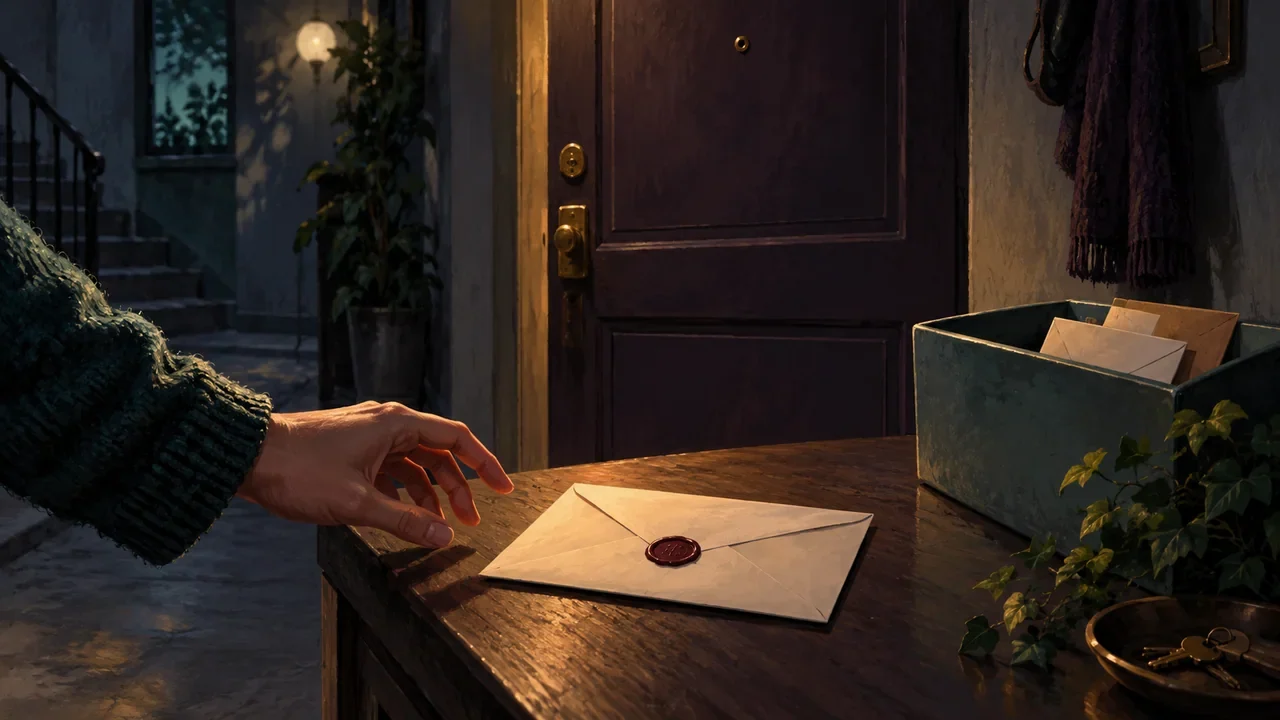
How a Letter That Should Not Be Opened Becomes a Choice: Knowledge, Responsibility, and Relationship Each Settle Consequences Separately
Writing "should it be opened" as a choice depends not on what is written in the letter, but on which clues the author has already placed on the table before the player acts. Players can only act on clues they have seen, so relationship costs must be planted before the letter is opened: which words are visible on the envelope, who has handled the letter, and what the recipient has said before. Below, a fictional teaching example, "Letter from the Old Address," illustrates a repeatable approach. The characters, numbers, and quoted words in the example are fictional and are not test data.
Interactive narrative · 13 min
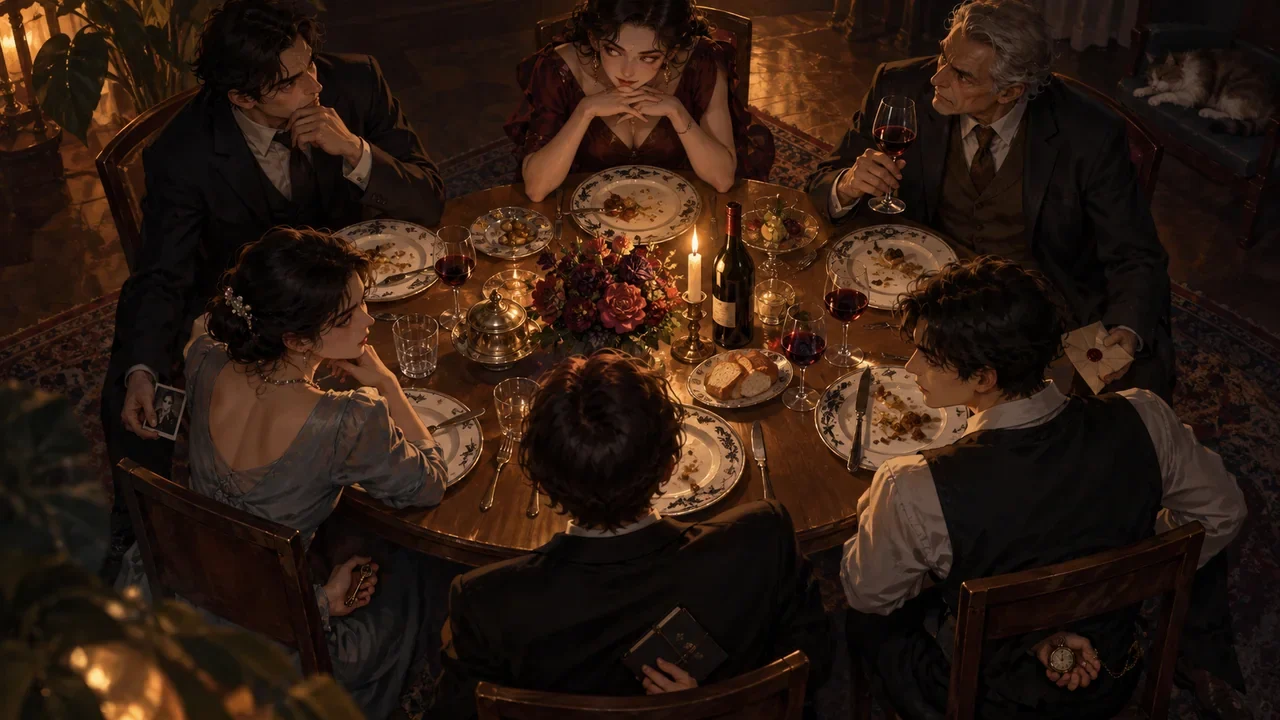
A Character Relationship Map Is Not Enough: What Each Person Knows, Conceals, and Misunderstands
A relationship map only shows who is connected to whom; it cannot explain what makes the suspense work. An interactive story also needs an information gap matrix: which facts each character knows, where they learned them, what they deliberately conceal, what they mistakenly believe, and under what conditions they are willing to speak. Often, players’ choices change the flow of information rather than the events themselves.