What Is Bulin 47 AI Video? How One Photo Becomes a Viral AI Clip
Bulin 47 AI Video usually means an AI remix of the street freestyle associated with Bulin 47 and Kevin Wai. A portrait supplies a new lead while a template or reference guides the performance. This guide separates appearance, motion, scene, and audio.
Introduction
Bulin 47 AI Video usually refers to AI remixes built around the street freestyle associated with Bulin 47 and Kevin Wai. A creator supplies a portrait so a new lead appears in a similar performance. The name describes a recognizable trend, not one official app, model, or technique. Different tools may use subject replacement, image-to-video generation, motion reference, or compositing.
Separate the source scene, AI remix, and music release
MARCA reported the 2026 street encounter and the later AI versions that replaced the featured person. Read the report The street performance, related music release, and user-made AI edits are separate assets. Ask whether appearance was generated, whether motion and background came from a source or were regenerated, and whether audio is original, added, or synthesized. A changed face does not identify the audio method.
One photo mainly supplies appearance
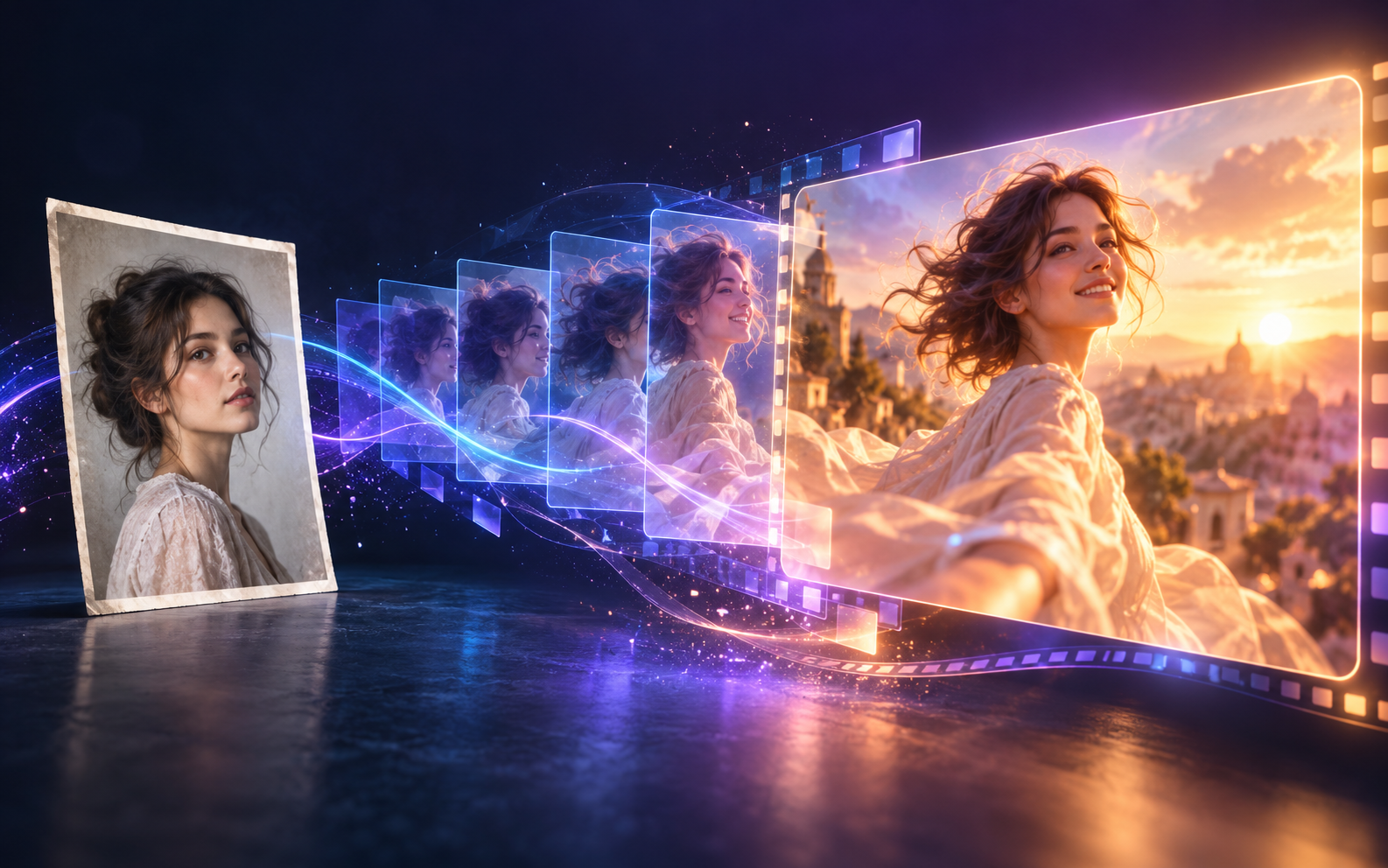
Some dedicated tools describe a one-photo workflow: a clear frontal portrait becomes the central performer while a fixed reference guides the rest. See one tool's description That claim applies to the named product, not every clip in the trend. A portrait may guide face, hair, clothes, and identity, but it does not inherently contain choreography, camera motion, occlusion, or sound. A clear single subject with visible shoulders offers more useful information, without guaranteeing accuracy.
Think in four independent layers
| Layer | Contribution | What to verify |
|---|---|---|
| Appearance | Who is visible | Face, hair, and clothing continuity |
| Performance | Motion and timing | Generated or reference-guided movement |
| Scene | Framing, light, background | Stable people and space |
| Audio | Music, speech, ambience | Reused, added, or generated sound |
These layers may come from separate steps. Checking them independently helps locate facial drift, malformed hands, background jumps, or lip-sync problems. Looking similar to a source does not prove every frame was retained.
It is not always a conventional face swap
A face swap usually preserves most source frames. Image-to-video may generate the sequence from a still. Motion-reference workflows constrain pose or timing, while packaged tools may combine generation, masks, compositing, and audio. Runway's documentation says its image-to-video input supplies visual context while the prompt describes motion and temporal change. Read the official guide This explains a general workflow, not the undisclosed internals of every Bulin 47 tool. Confirm actual video-reference support when exact movement matters.
Use a five-step workflow with checks
- Confirm inputs: use your own consenting adult portrait or an original fictional character.
- Identify the method: distinguish a fixed template, image-to-video, motion reference, and editing.
- Test short: validate one action before a long clip.
- Review frames: inspect turns, hands crossing the face, clothing, and occlusion.
- Handle sound and release: verify audio provenance, lip sync, aspect ratio, and disclosure.
Change one variable per revision. Reducing head turns may help identity drift; simpler gestures may help hands; a stable medium shot may help composition. These are troubleshooting directions, not universal guarantees.
For interactive-film creators, it is first an asset
A successful lead replacement is still linear video. It becomes interactive narrative only when players decide whether and how to perform and later see changes in relationships, information, or routes. Use such a clip as an entrance, choice setup, or branch response—not as a substitute for branching design.
Obtain necessary permissions, do not present synthetic appearances as real endorsements, and follow platform disclosure rules. YouTube currently requires disclosure of realistic content that was meaningfully generated or altered. Read YouTube's guidance To take the next step from linear clip to playable work, read What Is an Interactive Film Game?.