When Characters Know Different Things, How Do You Keep a Text Game Fair?
Mystery needs unequal knowledge, not a new rule invented at the ending. A fictional repair boat shows how to place clues, assign knowledge and make checking information cost something.

Introduction
“Why didn't you tell me sooner?”
That line belongs in a mystery. It can also be a player's complaint to the author. Characters may conceal things, but the author needs to leave a sequence that makes sense in hindsight.
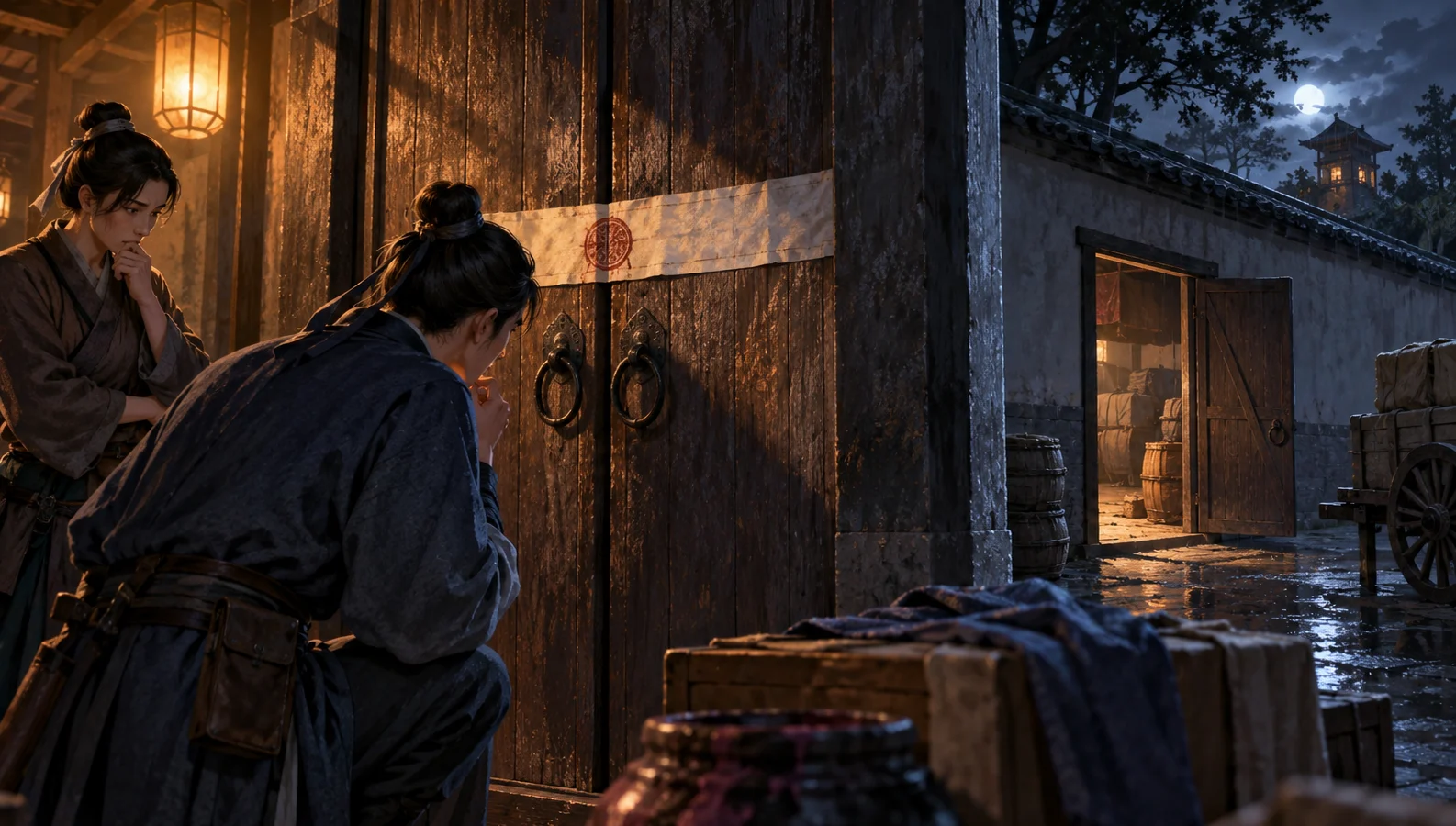
Consider a boat awaiting repairs. Its captain wants to move it to another berth on schedule, while the mechanic knows the backup pump had a problem the previous week. The player, coordinating the shift, must decide whether to check equipment or arrange the move first. The boat, people and events are original examples. Equipment is a fictional story prop, not practical guidance for operating a vessel.
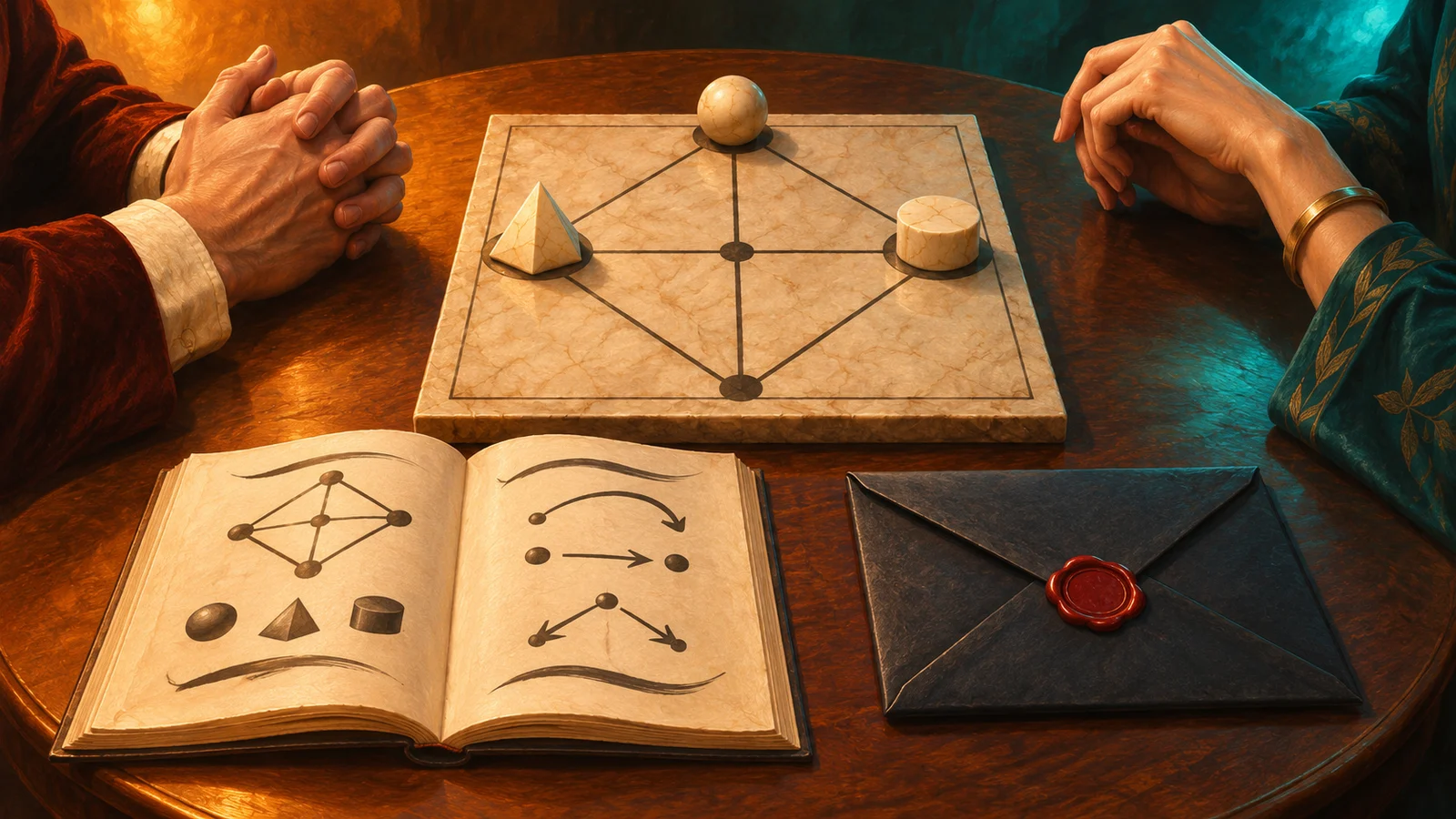
List who knows what before writing who says what
Keep a small reference table before drafting the first exchange.
The window for moving the boat is closing — Who knows initially: The captain; How the player encounters it: A time notice available at the opening
The backup pump previously malfunctioned — Who knows initially: The mechanic; How the player encounters it: A maintenance tag in the toolbox and a hesitant warning
Whether the fault has been repaired — Who knows initially: Not yet established; How the player encounters it: Spend an action checking maintenance records
Someone requested an early departure from the berth — Who knows initially: The captain; How the player encounters it: Ask who issued the notice
“The mechanic knows there was a fault” differs from “the mechanic knows the equipment cannot work now.” Treat them as the same fact and a cautious character can suddenly become a prophet.
When designing a text game, this table need not be fully visible to players, but every important judgment needs a clear source.
Hide the answer, but leave something worth asking about
The first sight of a maintenance tag need not reveal the whole fault. Its date could differ from the captain's stated inspection date. Or the mechanic could say, “Before we move, I'd like another look at last week's paperwork.”
Both give the player a reason to ask. They can ignore the hints, but when the old fault comes to light, they can remember encountering a lead.
A frustrating twist often works like this: every available check looks normal, then the ending announces a secret record that never appeared and could not be requested. Only the author had access to that information gap. The player could not take part.
Checking should cost something and return something
When every inspection is free and consequence-free, players can click through everything. Give them three actions: checking the paperwork costs one, contacting the person who issued the notice costs one, and inspecting equipment costs one more.
An action should do more than remove a time slot. After checking the paperwork, tell the player: “You found last week's fault report, but no signature confirming the repair.” Keep that discovery. Even when the next scene returns to the captain, reactions and available questions should change.
A check that fails to deliver a complete answer can still produce useful information. State what was confirmed separately from what remains unknown.
Do not make trust answer every question
Believing the mechanic does not repair equipment. Discovering that the captain concealed the source of the notice does not erase the timing information he genuinely holds. Track relationship trust separately from known facts, so players can cooperate with someone they dislike or request evidence from someone they like.
In character interaction, this can appear in how people speak: a familiar character explains more, while a cautious one first asks why you need to know. A warm conversation still cannot replace a maintenance record nobody has examined.
Give different choices their own consequences
A route that prioritizes checks may miss the original time window but recover more complete records. Moving on time may preserve the arrangement while leaving questions unanswered. Players may also acknowledge insufficient information and request a delay, bringing this attempt to a definite stopping point.
An ending recap should identify a concrete cause: “You used your second action to compare dates, which revealed that the repair had not been confirmed.” That explains the player's choice better than “You didn't trust your companion enough.”
After writing, trace each ending backward. Where did the player encounter the decisive information? Could they ask about it? Did they know what they were giving up by declining to check? Clear answers give the information gap a chance to become enjoyable.