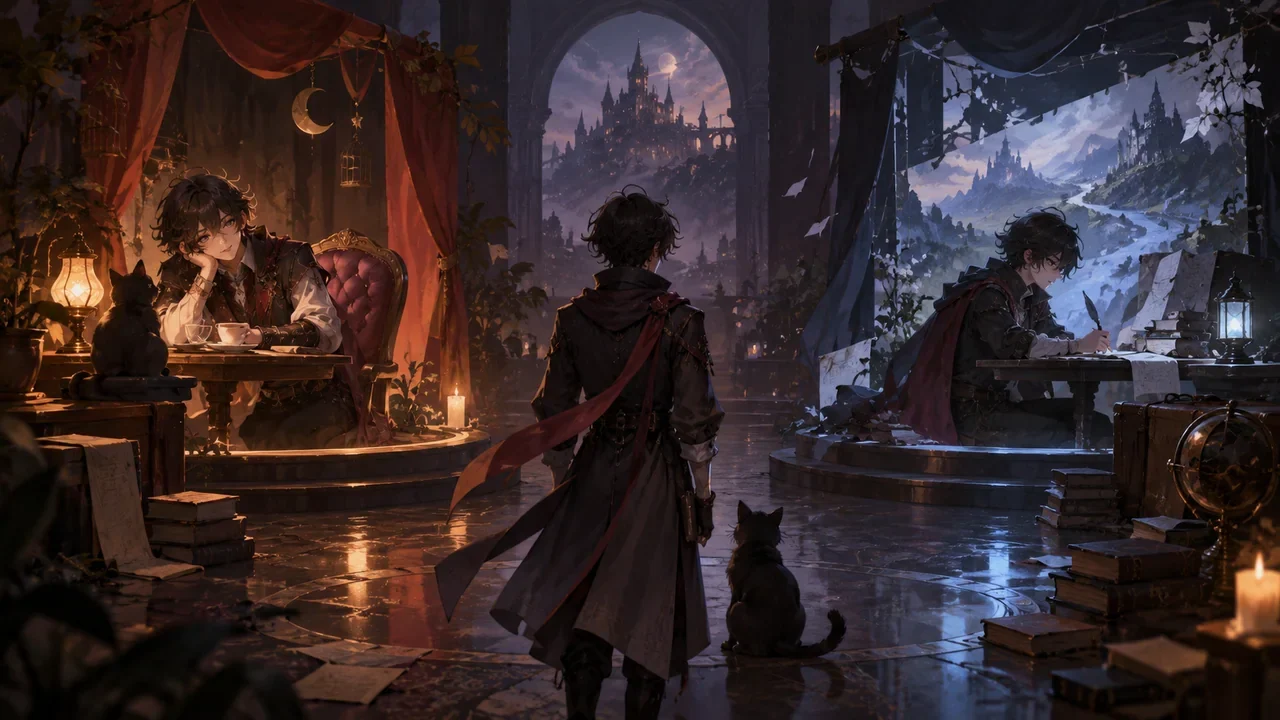
Cover Looks Horror but the Content Is Cozy Slice-of-Life? How to Check Whether a Work's Genre Promise Is Consistent
Start with the conclusion: write one sentence each for the synopsis, opening, first core task, and ending describing "what intensity the player expects to bear right now," then read the four sentences side by side.
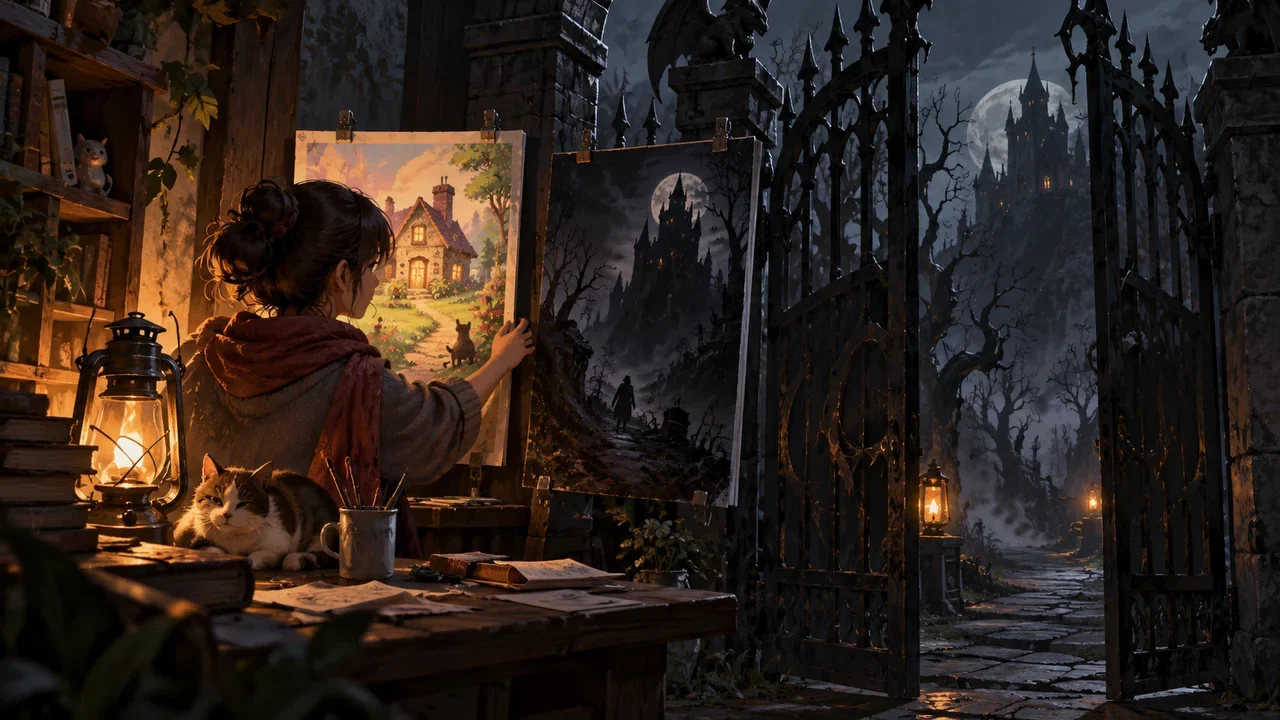
Introduction
Start with the conclusion: write one sentence each for the synopsis, opening, first core task, and ending describing "what intensity the player expects to bear right now," then read the four sentences side by side. If the cover and synopsis point to horror, but the opening only offers cozy daily life, and the core task suddenly maxes out the intensity, the problem is not "having a surprise"—it is that before the surprise there are no inferable clues. The goal of the check is not to eliminate twists, but to confirm that before the twist occurs, players can guess from existing information that "this might get heavier here."
The following uses fictional teaching examples. The work names, characters, and values in the examples are fabricated and do not correspond to any real project.
1. First Define "Intensity," Not "Genre Labels"
Genre labels are too coarse. "Horror" can refer to gore, psychological pressure, unknown threats, or moral dilemmas, and these four give players completely different expectations of what they must endure. It is recommended to mark three things for each key position: intensity type, intensity level, and whether it can be withdrawn.
Take the fictional work Night Shift Greenhouse as an example. The setup is: the protagonist works the night shift in an enclosed botanical garden, responsible for recording abnormally growing plants. It has two viable orientations, each internally consistent; the problem only arises from mixing them.
| Position | Orientation A: Cozy daily life | Orientation B: Suspense horror |
|---|---|---|
| Synopsis | A night shift recorder quietly coexisting with plants | A night shift recorder discovers the plants are responding to her |
| Opening | Watering, writing logs, listening to rain | While watering, she finds an unfamiliar line of handwriting in the log |
| Core task | Keep a dying plant alive through the week | Find out who is writing the log for her |
| Ending | The plant blooms, and the protagonist decides to stay | The protagonist confirms the handwriting is her own, but her memory is missing |
Both orientations A and B can work. What actually goes wrong is a third version: the cover uses orientation B's eerie plants, the synopsis describes orientation A's quiet coexistence, the opening is daily watering, but the core task is finding out the source of the handwriting. The "low intensity, withdrawable" expectation players build in the opening is overturned without warning at the core task.
2. The Four-Sentence Expectation Comparison Method
Compress each of the four positions into one sentence: "what the player expects to bear." There is only one criterion: can the next sentence be reasonably inferred from the previous one?
- Synopsis sentence: the overall promise the player buys into.
- Opening sentence: the immediate sense of safety established in the first ten minutes.
- Core task sentence: the main action the player is asked to invest in.
- Ending sentence: the intensity of the outcome the player ultimately faces.
The four sentences of the mixed version of Night Shift Greenhouse are: quiet coexistence (synopsis) → watering and listening to rain (opening) → find out the source of the handwriting (core task) → the handwriting is her own (ending). Between the second and third sentences, the transitional clue is missing. There are two ways to fix it; choose one, do not change both sides.
Change the synopsis and opening to move toward the core task: change the synopsis to "she discovers the plants are responding to her," and add "an extra line of handwriting appears in the log" to the opening. This way the core task's intensity has a source.
Change the core task and ending to move toward the synopsis: change the core task to "keep a dying plant alive through the week," and change the ending to "the plant blooms, and she decides to stay." The handwriting clue can be kept as atmospheric detail, but it cannot become the main mystery.
3. Surprises Can Stay, but They Need Inferable Clues
The difference between a surprise and "changing intensity without warning" is whether the clue appears before the twist and whether players can use it to make inferences. The clue does not need to state the conclusion outright; it only needs to point to "there is something abnormal here."
In Night Shift Greenhouse, if the story is ultimately heading toward orientation B, the opening can keep the daily watering, but add one of three types of clues: the log page count does not match, a certain plant turns away from the light source, or there is an unfamiliar name on the duty roster. When players see these, they will expect "there is something beneath the daily life," and when the core task escalates, they will not feel deceived.
What must be avoided is hiding all the clues in the ending explanation. An ending explanation can complete the causality, but it cannot complete the expectation of what must be endured.
4. When a Character Fabricates an Excuse, Mark Clearly That It Is Not a New Fact
A common confusion when checking consistency: words a character says to conceal something are treated as world setting. For example, in Night Shift Greenhouse, a side character says, "This garden has never had night shift records." If the duty roster has already appeared earlier, this sentence is the character's lie or mistaken belief, not a new definition of the world. When writing and checking, mark it in the document: this is a character claim, not a confirmed fact. Otherwise, later revisions will adjust the setting around an unreliable sentence, becoming more chaotic the more you change.
5. Completion Check
After revising, read through again using the same four sentences, and make three confirmations:
- Do the intensity types of the synopsis, opening, core task, and ending belong to the same category, or can each at least be inferred from the previous one?
- Before the twist, is there at least one clue the player can notice, and does the clue appear before the twist?
- Are all character claims recorded separately from confirmed facts, without treating excuses as setting?
Only when all three pass is the genre promise consistent. If only the first passes, the twist may still feel abrupt; if only the second passes, the intensity direction may still be misaligned.
Finally, do one small thing: open your work, and write one sentence each for the synopsis, opening, core task, and ending describing "what intensity the player expects to bear right now." Put the four sentences side by side. Wherever two sentences cannot infer from one another, revise that spot first, and do not change all four positions at once.