Write your next move
Select a suggested action or describe what you want to attempt. State an action and its intent, not a guaranteed result; then wait for the response before deciding again.
Interactive fiction · 20 minutes; version check 3, alternative plan 5, confirmation 4
DRAMAFORK / Interactive fiction
The shot can change, but a simple “same as before” cannot bypass the scope already confirmed.
A revised storyboard arrives before filming, adding an unconfirmed action to a planned static shot. You have twenty minutes to check the versions, negotiate an alternative shot, and reconfirm permission.
An interactive experience built around reading and choosing your next action. Explore at your own pace and interact with the story's world.
Story decisions and ongoing state share the same journey. Alternate between understanding the current scene and checking the conditions behind your next move. Follow the actual feedback rather than assuming that a successful outcome is guaranteed.
Select a suggested action or describe what you want to attempt. State an action and its intent, not a guaranteed result; then wait for the response before deciding again.
The available choices are your starting point. An action can have requirements, costs or a different result from what you expected; read the current feedback before trying the next move.
Read the new scene and updated status together. Check the current objective and any changes before committing to another action, so each turn follows from the last.
This work supports checkpoints. Use a checkpoint when the save controls offer one, and branch from it to try another route without replacing your original progress.
Confirm the identity and starting choices offered by this work. These describe how you enter the story; there is no single required play style.
Read the current scene, status and available actions. Distinguish information the story has given you from assumptions you have not checked.
Select a suggested action or describe what you want to attempt. State an action and its intent, not a guaranteed result; then wait for the response before deciding again.
Read the new scene and updated status together. Check the current objective and any changes before committing to another action, so each turn follows from the last.
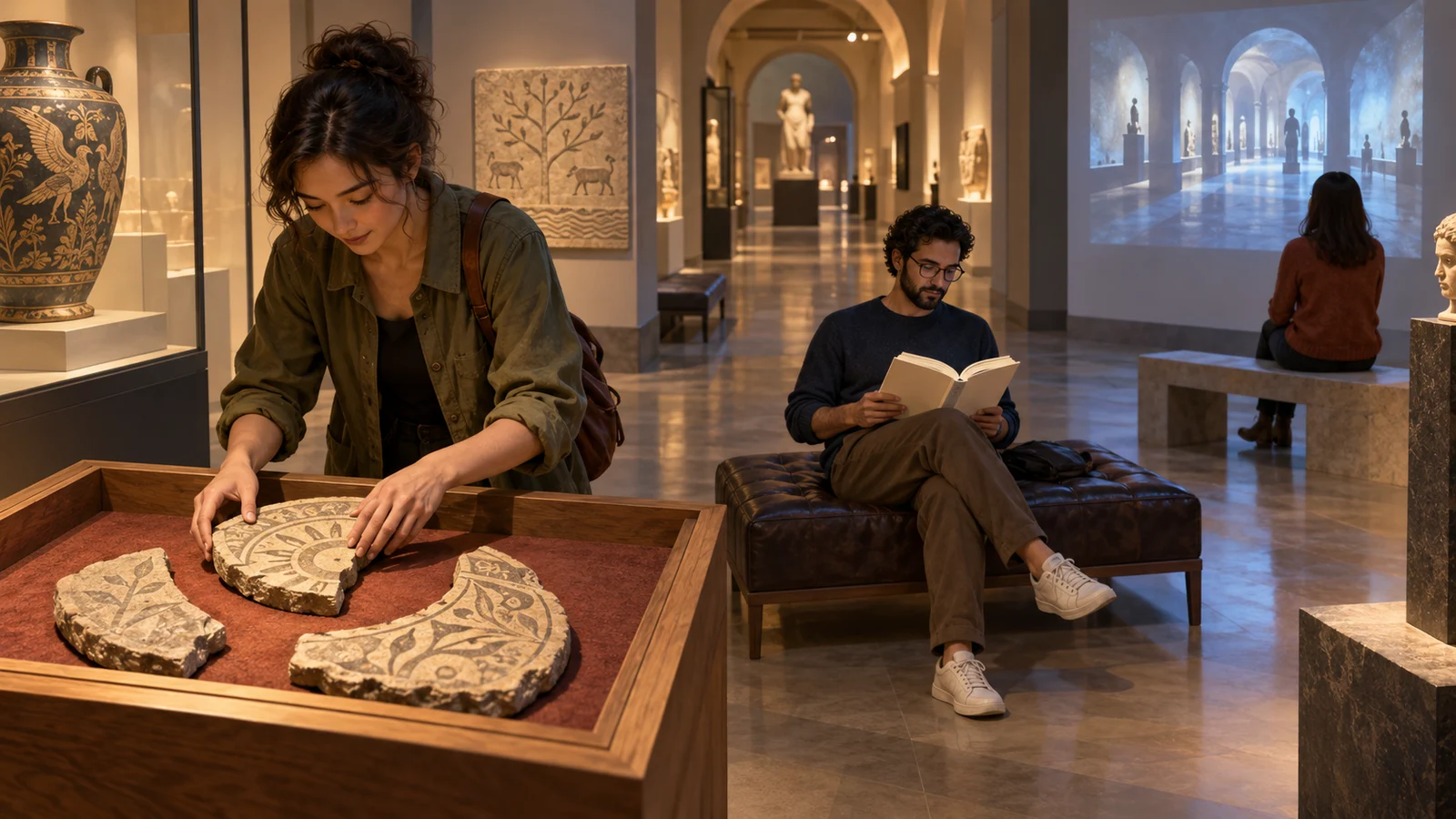
Text, video, and images tell you how content is presented, but not what players do. Four versions of one fictional museum distinguish reading controls, story participation, and rule-based tasks. An observation card describes how they overlap.
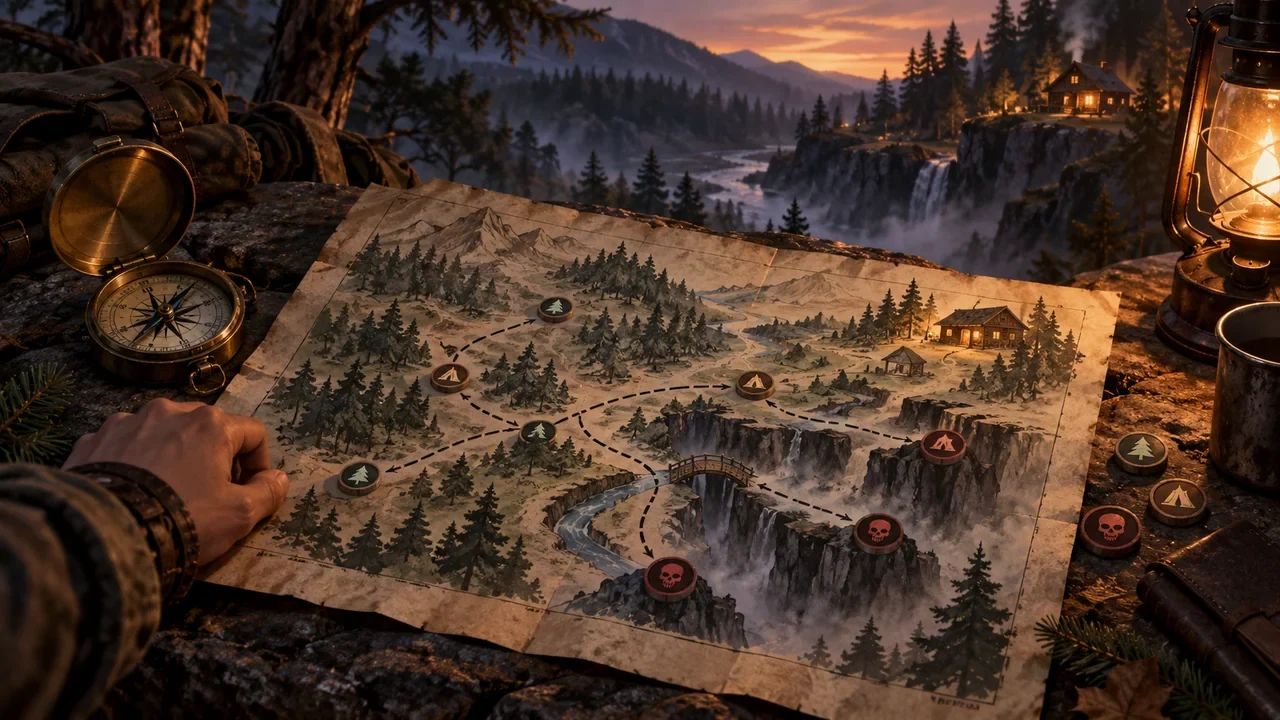
Methods for recording The Run’s story map, death nodes, choice modes, and ending routes, without providing unverified trigger answers.
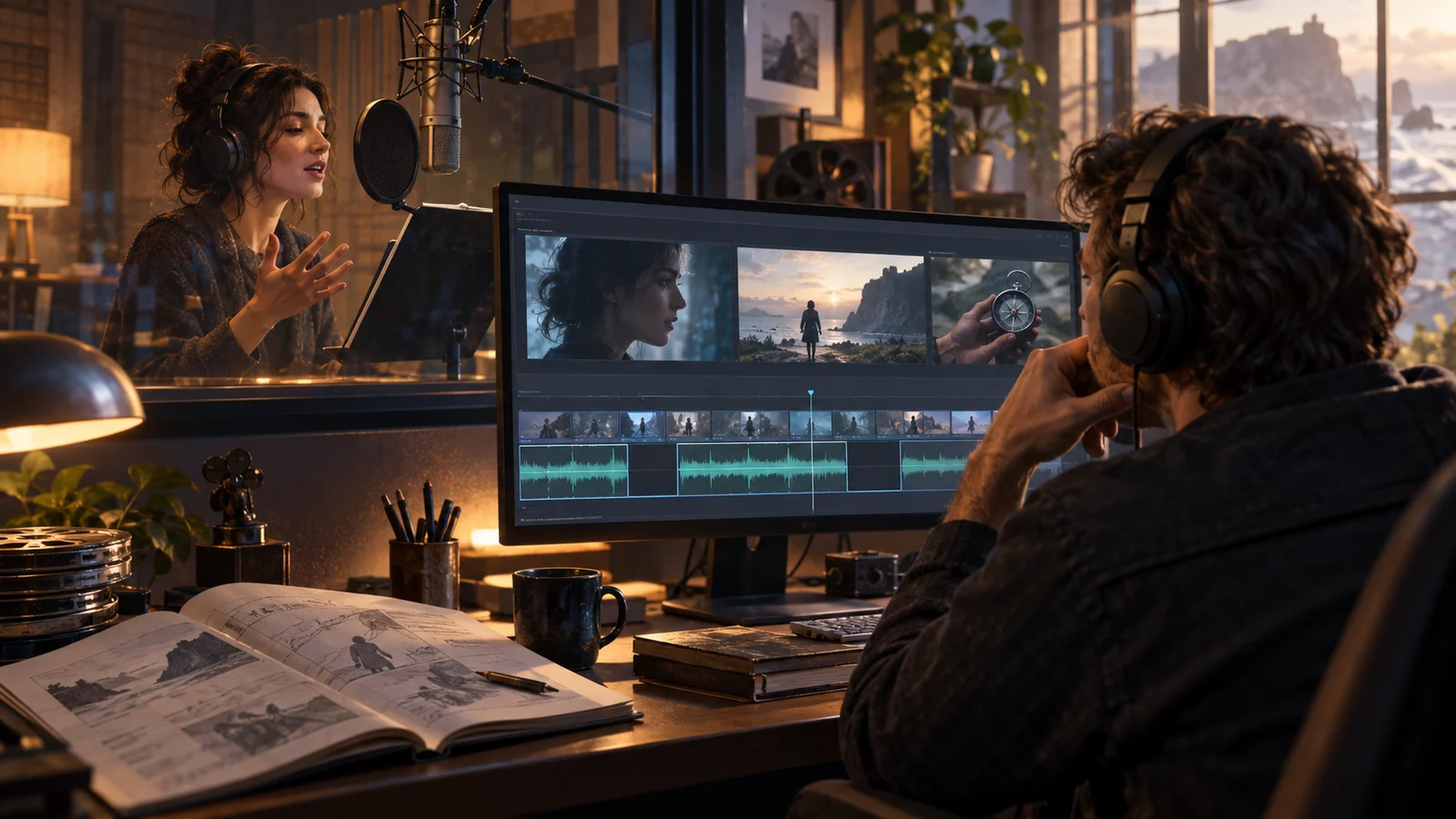
When dialogue grows longer in the target language, check when the final condition is conveyed, when the options can be read, and when input closes. A response card distinguishes added speech from lost decision time.
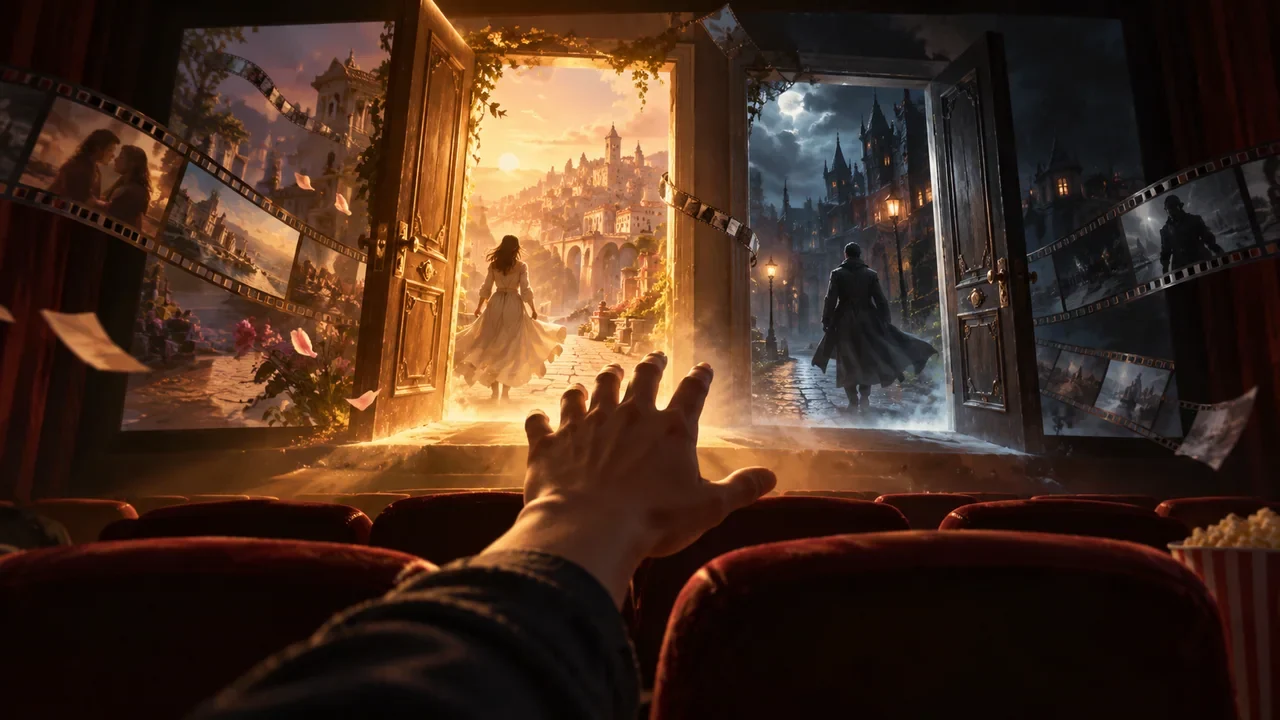
Interactive film games combine cinematic expression with player choice. This article explains what interactive film games are, how they differ from short dramas and traditional games, how their core structure is composed, and how creators can complete their first interactive work.