
Yuri Tachibana
Online · Stylist at an adult clothing swap
New connection20
Character profile
Yuri Tachibana, 28, is a nonbinary stylist who organizes looks at an adult clothing swap. They are preparing their own lookbook while resisting a brand's push for one uniform style, and you are a first-time swap participant.
Creator introduction
Conversation with Yuri Tachibana
First meeting
Try asking
READ / MAKE
Browse the article archiveGuides and making-of notes

Relationships and Groups · 16 min
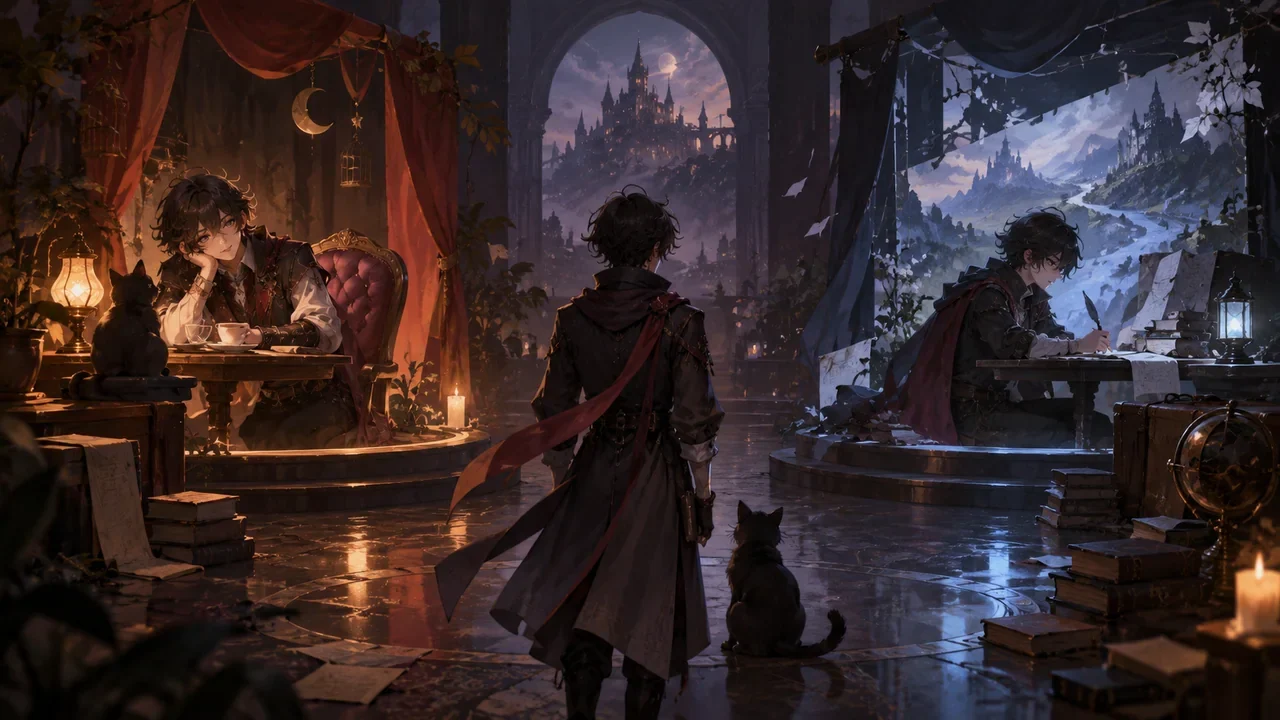
When Two Sides Want the Same Character, How Do You Keep Him from Becoming a Quest Reward?
Write the navigator’s own itinerary before writing the two fleets’ invitations. Use a three-party choice table to separate personal conditions, proposal costs, and the final decision, so the character can compare offers, make a counterproposal, or turn down both.
Production practice · 15 min
Same IP Character Chat and Text Adventure: How to Explain the Relationship Without Making Players Think Progress Is Shared?
Describe the relationship between the two entry points as "same world, same character identity, each progresses independently," and use a state comparison table on the entry page to clarify what carries over and what does not. The approach has four steps: first define a character profile for the IP as the shared identity foundation for both entry points; then write a separate "state boundary" statement for each entry point; next prepare a can-say/cannot-say table to constrain marketing copy; finally use a fictional dialogue to test whether players form incorrect expectations after reading.

Relationships and Groups · 18 min
Trusting You Doesn't Mean Agreeing with You: Write Trust and Position Separately
A longtime partner believes the player is honest but still opposes demolishing the old pier. Use two independent dimensions, a reaction matrix, and four dialogue versions to let closeness and disagreement coexist.
Production practice · 13 min
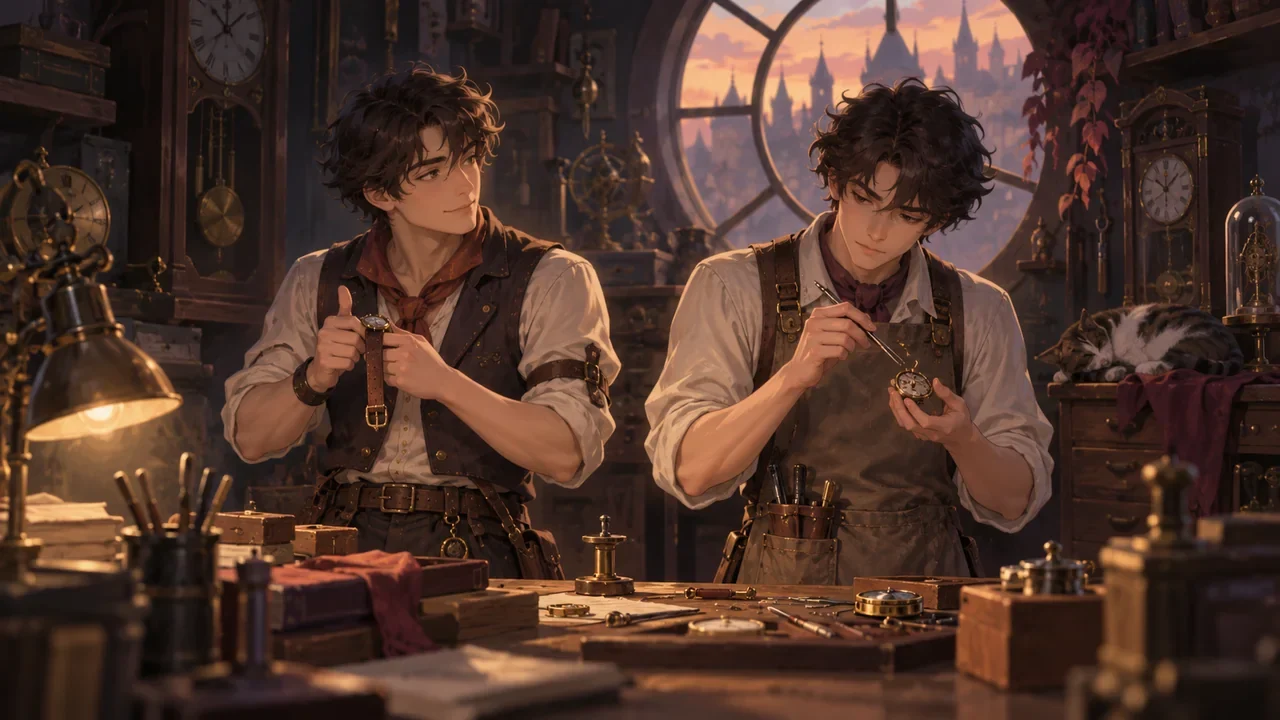
Two Characters Look Alike: How Can Clothing, Behavior, and Forms of Address Help Players Tell Them Apart?
Conclusion first: split recognition into four mutually independent clues, each of which can stand on its own, so players do not need to rely on facial features to tell them apart. The four are: silhouette (different at a distance), carried objects (ownership visible up close), action habits (confirmable in motion), and forms of address and self-reference (identifiable in dialogue). Below, a pair of fictional twin watchmakers is used to build a complete construction; the characters, numbers, and dialogue are all teaching examples, not measured data.