Write your next move
Investigate, speak, explore or take a risk. Describe an action rather than writing its outcome.

Interactive fiction · Resources
DRAMAFORK / Interactive fiction
After the world falls silent, you still hold the transmit key.
Budget power, answer unknown call signs, and decide who is worth risking a rescue through the storm.
An interactive experience built around reading and choosing your next action. Explore at your own pace and interact with the story's world.
The scene is presented through text, and you decide how to respond. Read the situation and current status before acting; after the response, compare what has changed and choose the next step. Use the story's own premise as your starting point, rather than importing rules from another game.
Investigate, speak, explore or take a risk. Describe an action rather than writing its outcome.
The starting choices introduce different ways to approach the same premise. Read their descriptions before choosing; their labels are not promises of guaranteed success.
Scenes, resources and relationships respond to your decisions. Read the current state before acting.
Confirm the identity and starting choices offered by this work. These describe how you enter the story; there is no single required play style.
Read the current scene, status and available actions. Distinguish information the story has given you from assumptions you have not checked.
Select a suggested action or describe what you want to attempt. State an action and its intent, not a guaranteed result; then wait for the response before deciding again.
Read the new scene and updated status together. Check the current objective and any changes before committing to another action, so each turn follows from the last.

A clear introduction to interactive text games and text adventures, tracing their history from Colossal Cave Adventure and Zork to visual novels, Chinese UGC platforms, and AI-driven storytelling.

Text, video, and images tell you how content is presented, but not what players do. Four versions of one fictional museum distinguish reading controls, story participation, and rule-based tasks. An observation card describes how they overlap.
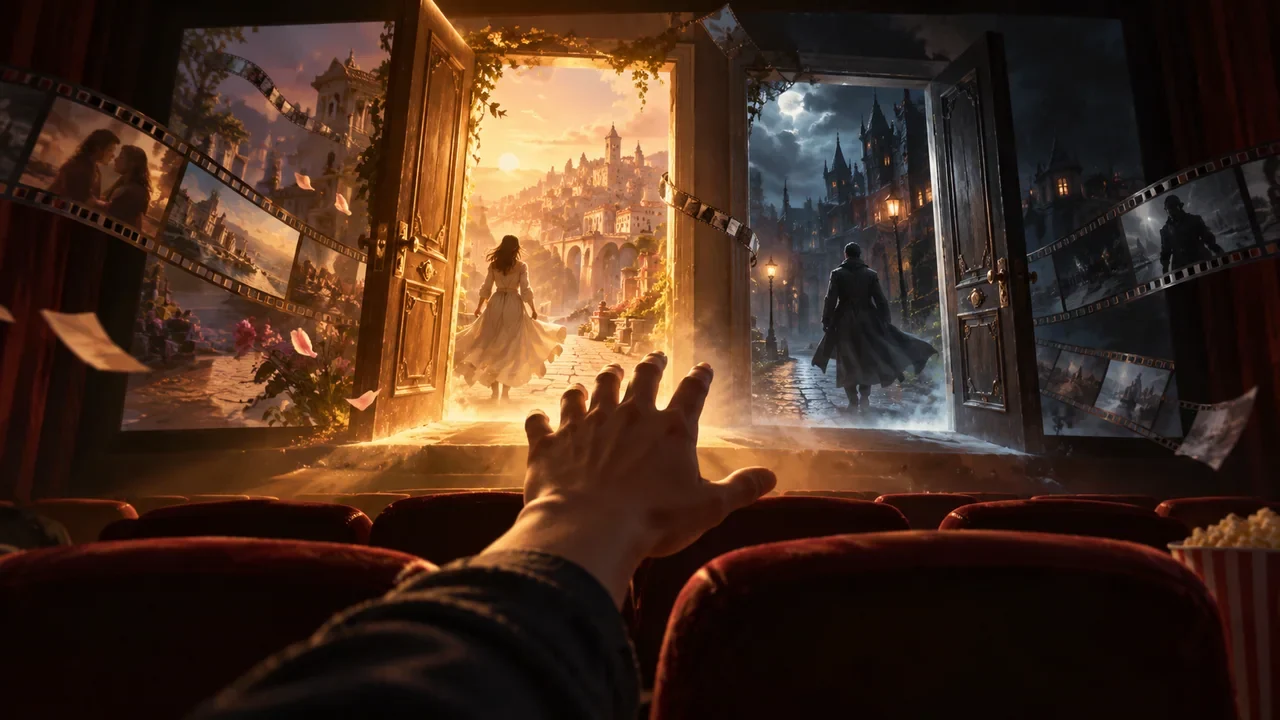
Interactive film games combine cinematic expression with player choice. This article explains what interactive film games are, how they differ from short dramas and traditional games, how their core structure is composed, and how creators can complete their first interactive work.
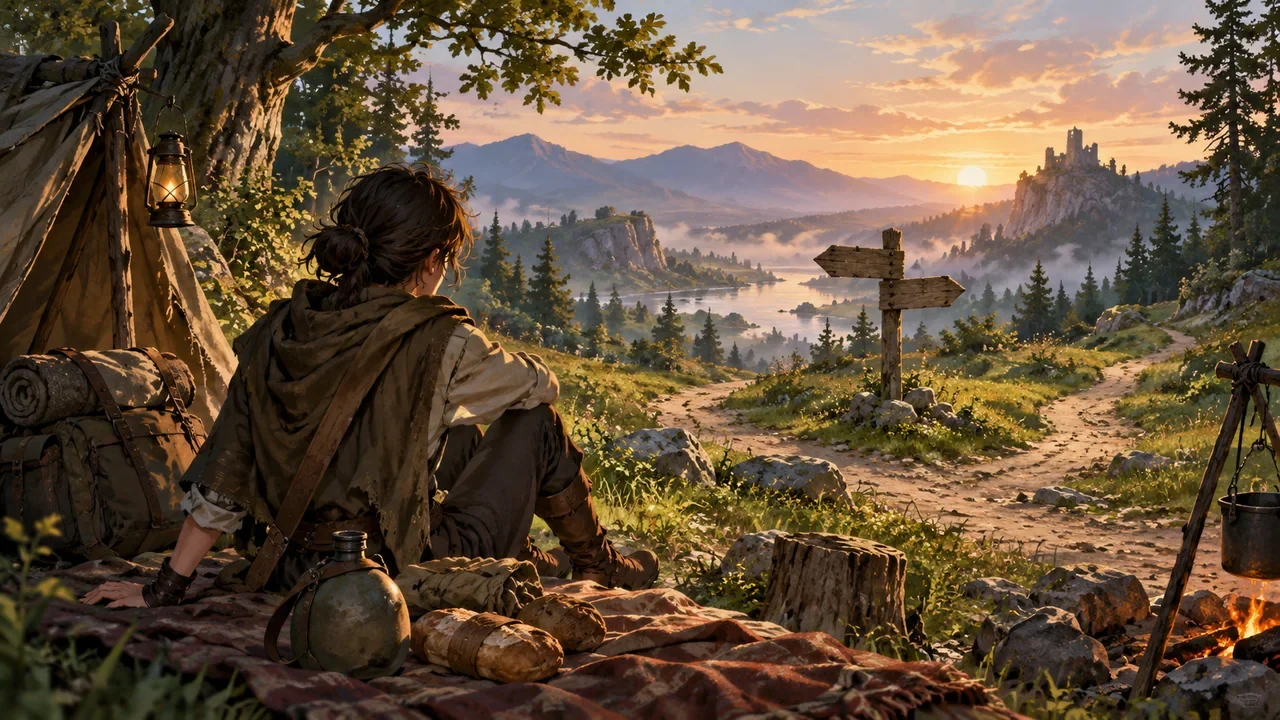
The first round should let players know who they are, what they need to accomplish right now, what actions they can take, and what their actions have already changed. Prepare the initial state, then break down the result of one action into narrative, status, log, and next steps, and you can check whether the opening has formed a complete turn.