Write your next move
Select a suggested action or describe what you want to attempt. State an action and its intent, not a guaranteed result; then wait for the response before deciding again.
Interactive fiction · Finite resources and promises carried forward
DRAMAFORK / Interactive fiction
A truce does not refill the storehouse.
Allocate rations, seed and a promise to a neighboring village during a siege. After the truce, the same ledger determines irrigation and sowing.
An interactive experience built around reading and choosing your next action. Explore at your own pace and interact with the story's world.
Move through the story by making decisions in the current scene. Pay attention to what is known, which actions are available and what has changed after a choice. You do not need to plan the whole story in advance: start with the situation in front of you.
Select a suggested action or describe what you want to attempt. State an action and its intent, not a guaranteed result; then wait for the response before deciding again.
The available choices are your starting point. An action can have requirements, costs or a different result from what you expected; read the current feedback before trying the next move.
Read the new scene and updated status together. Check the current objective and any changes before committing to another action, so each turn follows from the last.
This work supports checkpoints. Use a checkpoint when the save controls offer one, and branch from it to try another route without replacing your original progress.
Confirm the identity and starting choices offered by this work. These describe how you enter the story; there is no single required play style.
Read the current scene, status and available actions. Distinguish information the story has given you from assumptions you have not checked.
Select a suggested action or describe what you want to attempt. State an action and its intent, not a guaranteed result; then wait for the response before deciding again.
Read the new scene and updated status together. Check the current objective and any changes before committing to another action, so each turn follows from the last.

A clear introduction to interactive text games and text adventures, tracing their history from Colossal Cave Adventure and Zork to visual novels, Chinese UGC platforms, and AI-driven storytelling.
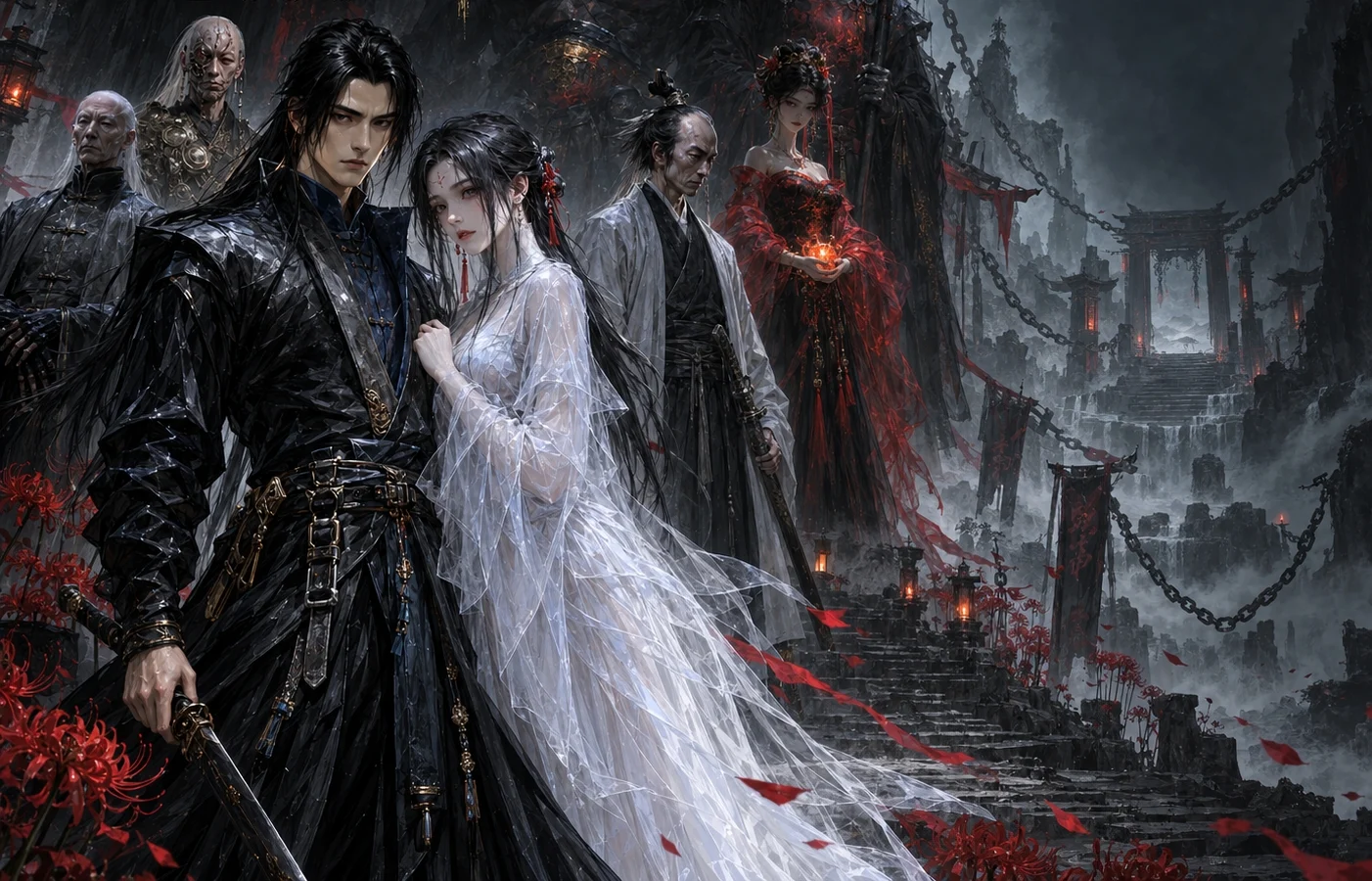
Using the fictional case River Lantern Festival, this article shows how to use a paragraph permissions table when co-writing a branching story to distinguish drafting, revising, locking, and pending confirmation, so every change has ownership, a trace, and a way to roll back.

Interactive micro-dramas vs. interactive series vs. FMV games: play style, why young viewers stop for choices, and costs to make your own—plus table & FAQ.
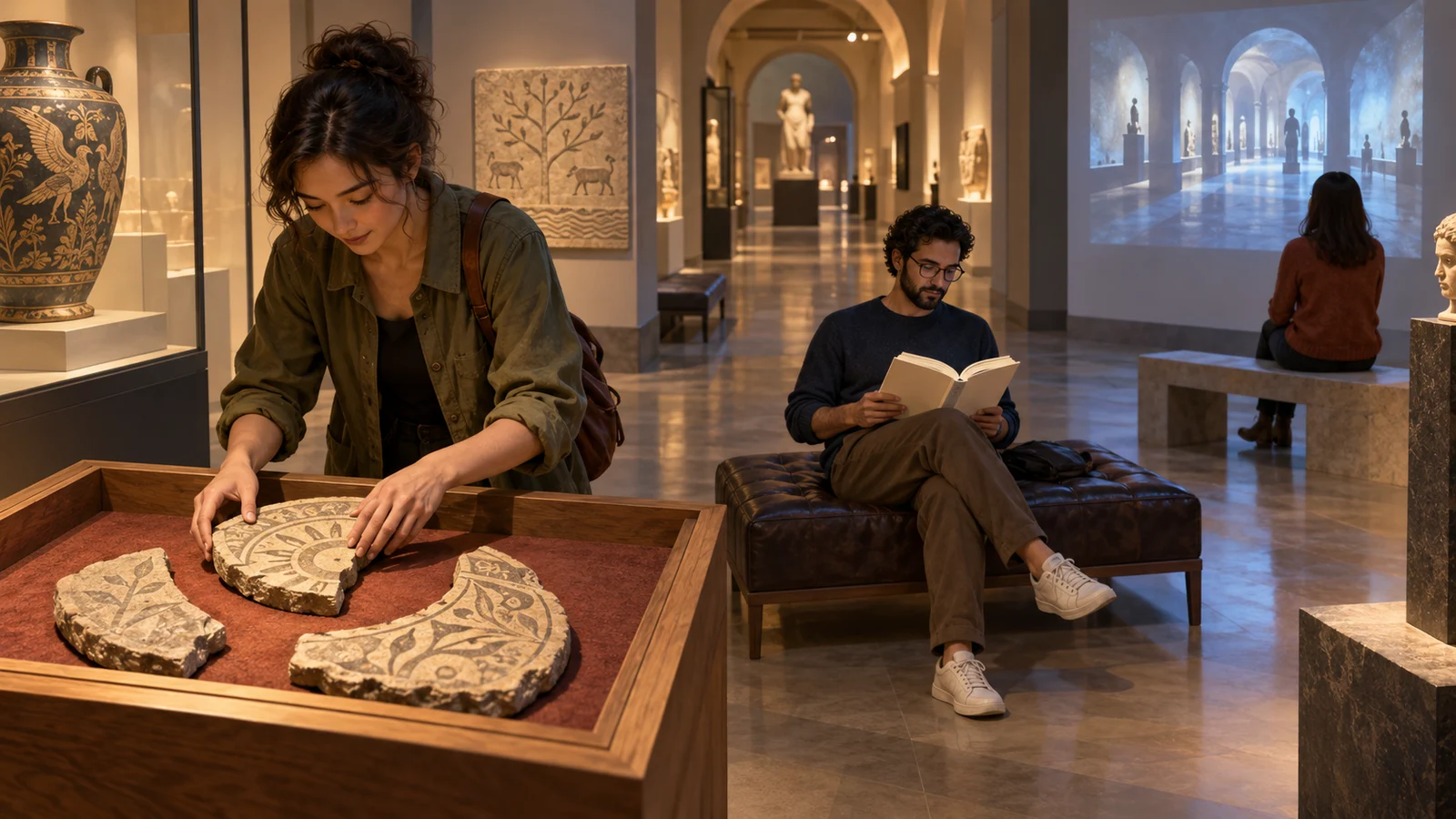
Text, video, and images tell you how content is presented, but not what players do. Four versions of one fictional museum distinguish reading controls, story participation, and rule-based tasks. An observation card describes how they overlap.