Write your next move
Select a suggested action or describe what you want to attempt. State an action and its intent, not a guaranteed result; then wait for the response before deciding again.
Text-game turn · Loading rules…

Interactive fiction · Choices and verification; no random checks
DRAMAFORK / Interactive fiction
Xu Wenxia is preparing to close the cooking school her mother left behind when she finds familiar recipes in a commercial cookbook—with a credit missing.
An interactive experience built around reading and choosing your next action. Explore at your own pace and interact with the story's world.
Move through the story by making decisions in the current scene. Pay attention to what is known, which actions are available and what has changed after a choice. You do not need to plan the whole story in advance: start with the situation in front of you.
Select a suggested action or describe what you want to attempt. State an action and its intent, not a guaranteed result; then wait for the response before deciding again.
The available choices are your starting point. An action can have requirements, costs or a different result from what you expected; read the current feedback before trying the next move.
Read the new scene and updated status together. Check the current objective and any changes before committing to another action, so each turn follows from the last.
This work supports checkpoints. Use a checkpoint when the save controls offer one, and branch from it to try another route without replacing your original progress.
Confirm the identity and starting choices offered by this work. These describe how you enter the story; there is no single required play style.
Read the current scene, status and available actions. Distinguish information the story has given you from assumptions you have not checked.
Select a suggested action or describe what you want to attempt. State an action and its intent, not a guaranteed result; then wait for the response before deciding again.
Read the new scene and updated status together. Check the current objective and any changes before committing to another action, so each turn follows from the last.
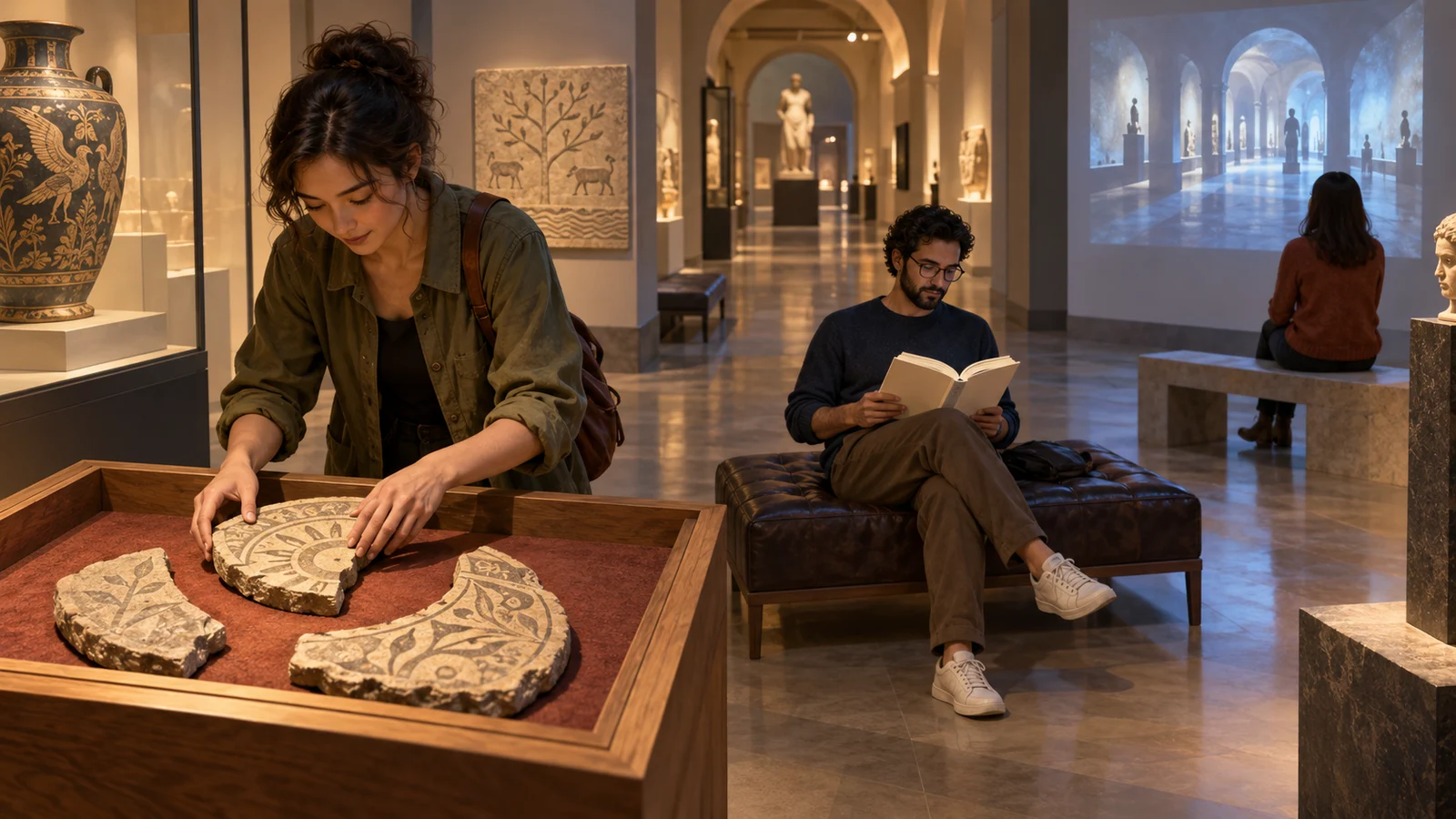
Text, video, and images tell you how content is presented, but not what players do. Four versions of one fictional museum distinguish reading controls, story participation, and rule-based tasks. An observation card describes how they overlap.
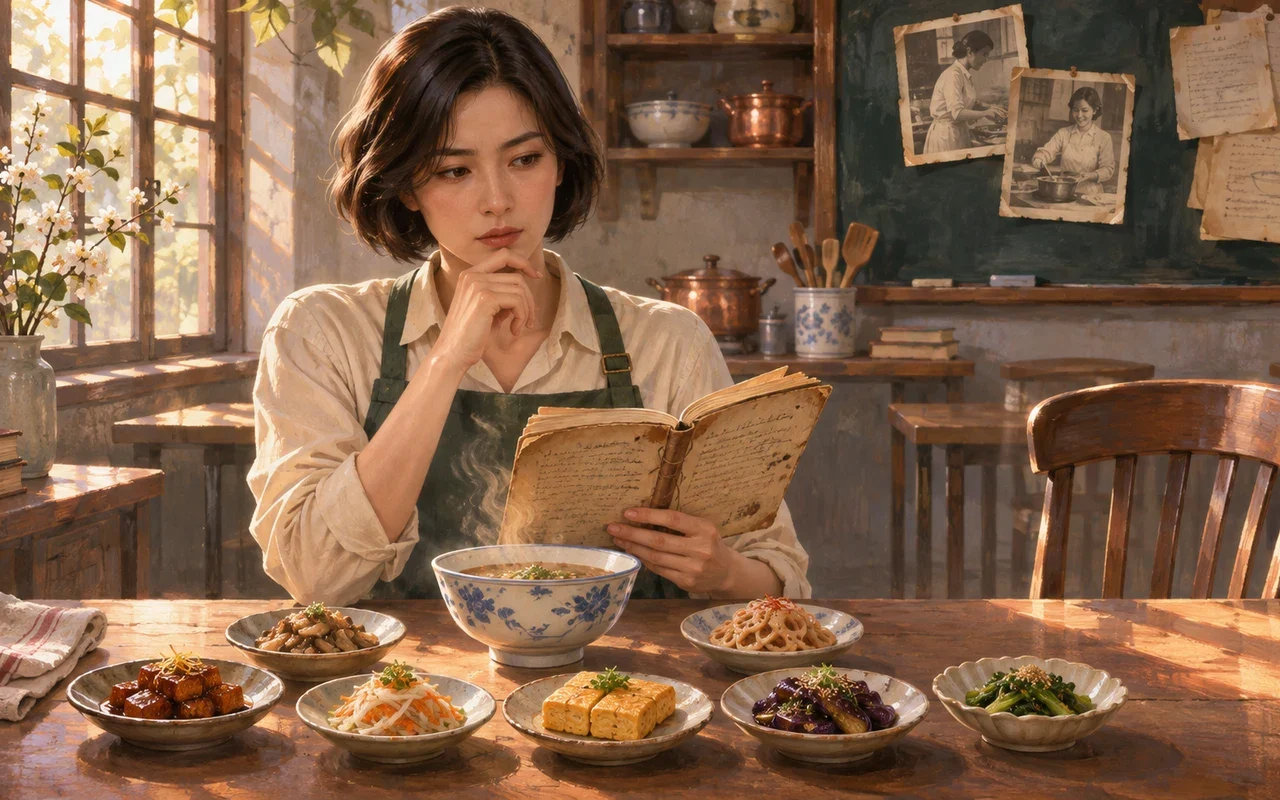
Using an original cooking-class story, this article unpacks recipe versions, shopping lists, tasting memories, and letters between collaborators. Let cooking shape the opportunities for investigation, and let evidence and explicit permission to publish determine the endings. Avoid treating taste or anger as grounds for a guilty verdict.
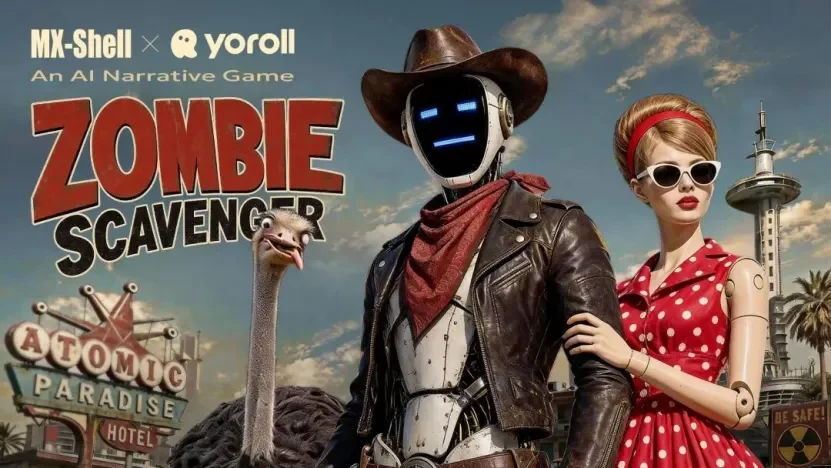
Interactive film games, text games, and character IP are rapidly converging under the influence of generative AI and changing user experience demands. This article examines their differences, crossover cases, product matrix strategies, and the possible future form of seamless interactive storytelling.
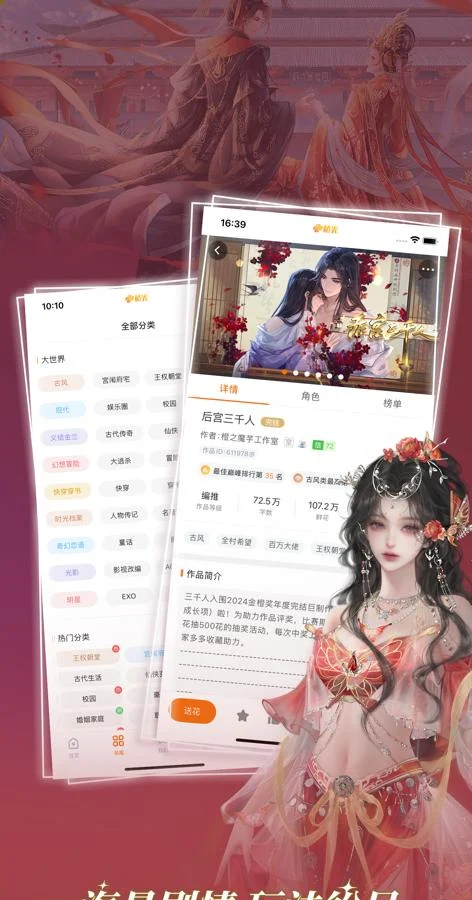
A clear introduction to interactive text games and text adventures, tracing their history from Colossal Cave Adventure and Zork to visual novels, Chinese UGC platforms, and AI-driven storytelling.