Write your next move
Select a suggested action or describe what you want to attempt. State an action and its intent, not a guaranteed result; then wait for the response before deciding again.
Interactive fiction · Track who knows what before dividing responsibilities
DRAMAFORK / Interactive fiction
One travel pass cannot choose everyone’s destination.
Deliver a sealed archive to the northern relay before the bell. Your guide and courier have other plans.
An interactive experience built around reading and choosing your next action. Explore at your own pace and interact with the story's world.
Move through the story by making decisions in the current scene. Pay attention to what is known, which actions are available and what has changed after a choice. You do not need to plan the whole story in advance: start with the situation in front of you.
Select a suggested action or describe what you want to attempt. State an action and its intent, not a guaranteed result; then wait for the response before deciding again.
The available choices are your starting point. An action can have requirements, costs or a different result from what you expected; read the current feedback before trying the next move.
Read the new scene and updated status together. Check the current objective and any changes before committing to another action, so each turn follows from the last.
This work supports checkpoints. Use a checkpoint when the save controls offer one, and branch from it to try another route without replacing your original progress.
Confirm the identity and starting choices offered by this work. These describe how you enter the story; there is no single required play style.
Read the current scene, status and available actions. Distinguish information the story has given you from assumptions you have not checked.
Select a suggested action or describe what you want to attempt. State an action and its intent, not a guaranteed result; then wait for the response before deciding again.
Read the new scene and updated status together. Check the current objective and any changes before committing to another action, so each turn follows from the last.

A clear introduction to interactive text games and text adventures, tracing their history from Colossal Cave Adventure and Zork to visual novels, Chinese UGC platforms, and AI-driven storytelling.
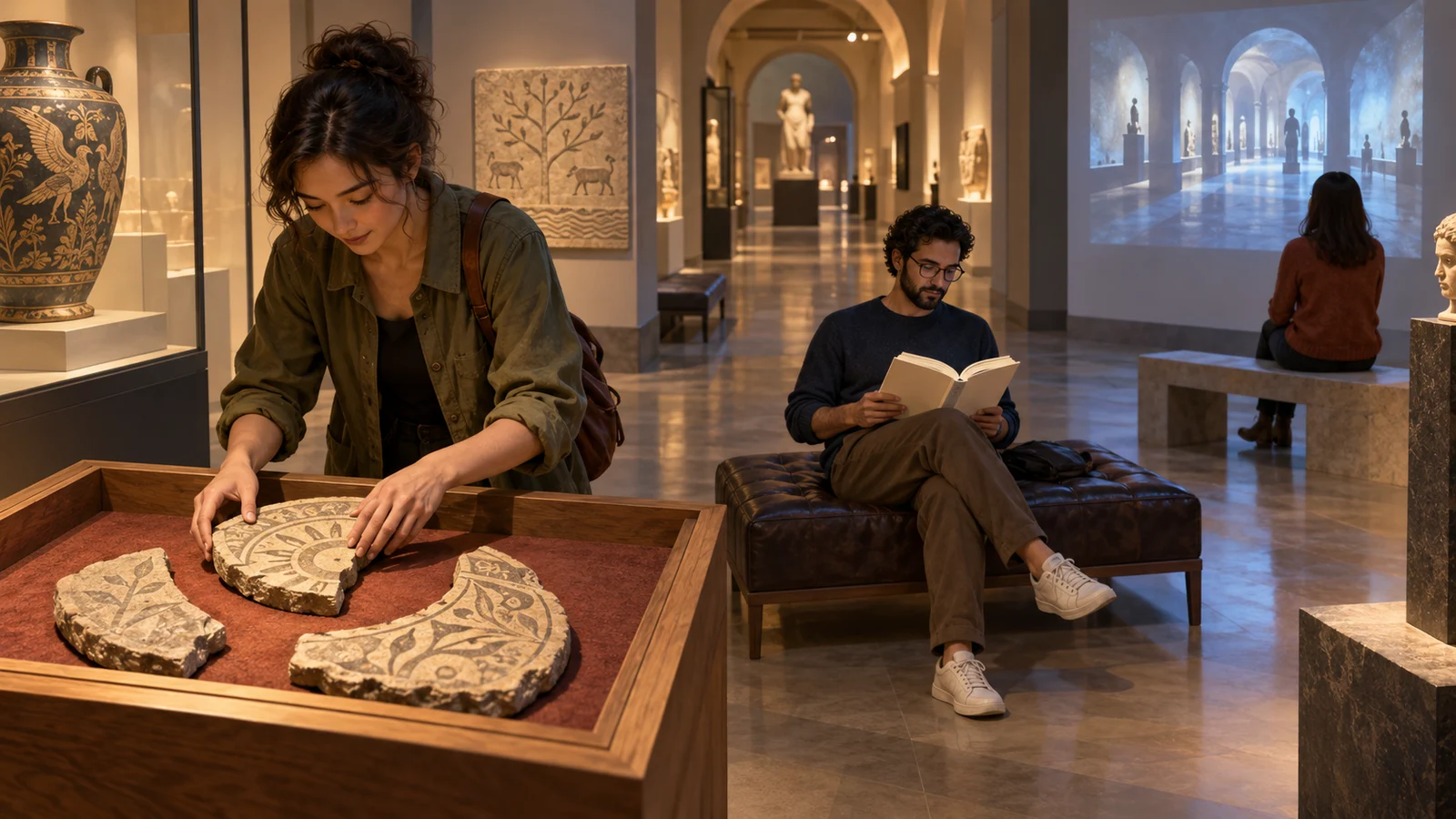
Text, video, and images tell you how content is presented, but not what players do. Four versions of one fictional museum distinguish reading controls, story participation, and rule-based tasks. An observation card describes how they overlap.

The first round should let players know who they are, what they need to accomplish right now, what actions they can take, and what their actions have already changed. Prepare the initial state, then break down the result of one action into narrative, status, log, and next steps, and you can check whether the opening has formed a complete turn.
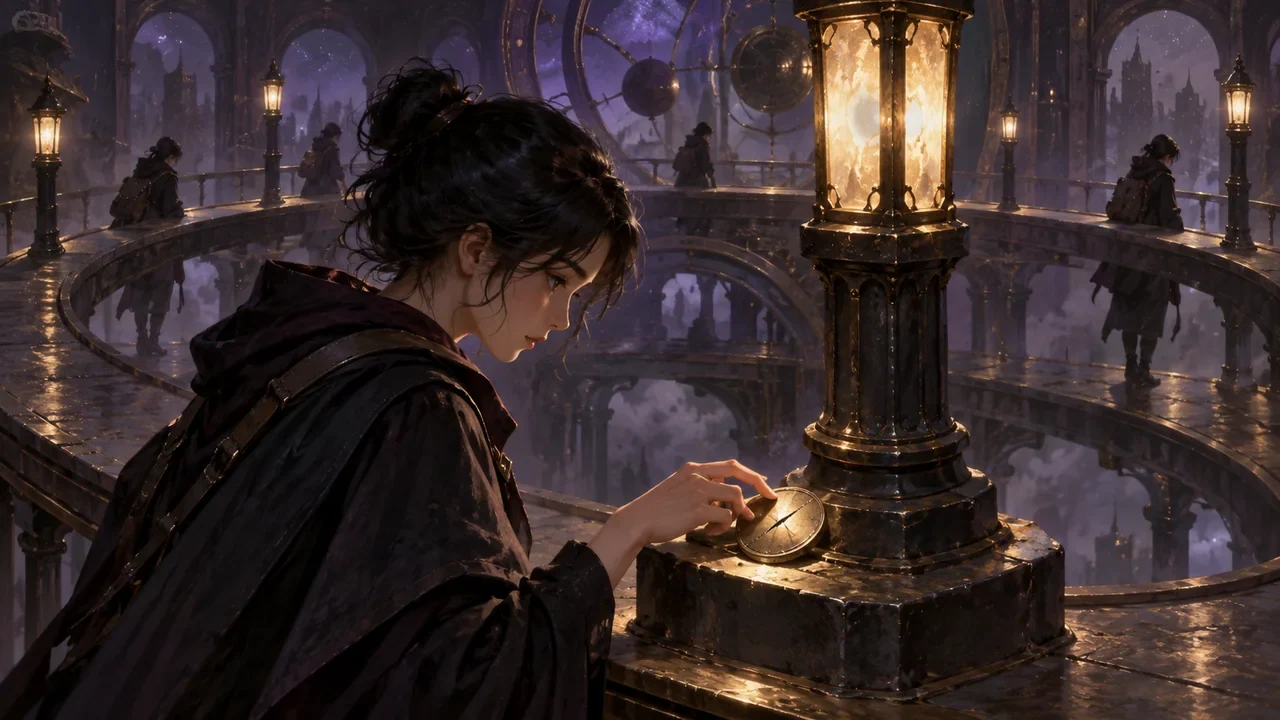
When writing a short loop story for the first time, you can preserve only a change on one observable object, while all other world states reset to the same baseline. This lets the author track iteration by iteration which action a difference comes from. What is discussed here is an inheritance item within the story world; the knowledge that readers and players have already read the previous text does not mean the character has cross-iteration memory.